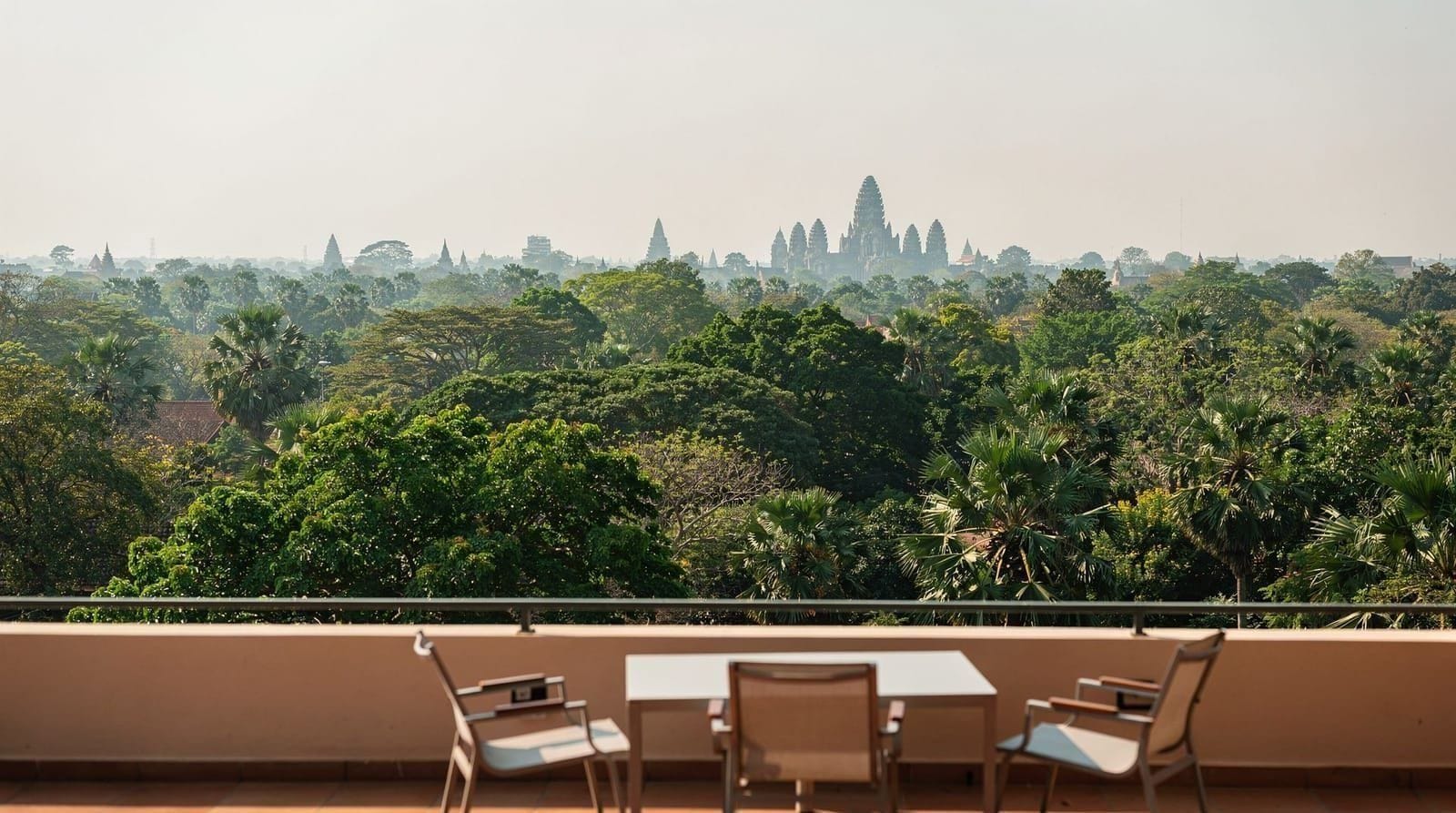
First time in Siem Reap: what I'd actually tell a friend before they go
A friend asked me last month what she needed to know before her first Siem Reap trip that Google wasn’t telling her clearly. I ended up writing her a long message that turned into this post. None of it is complicated, but a few things genuinely surprised me on my own first visit, and they’re the same things I see confusing other first-timers in every forum thread and comment section about the city.
The airport is not where you think it is
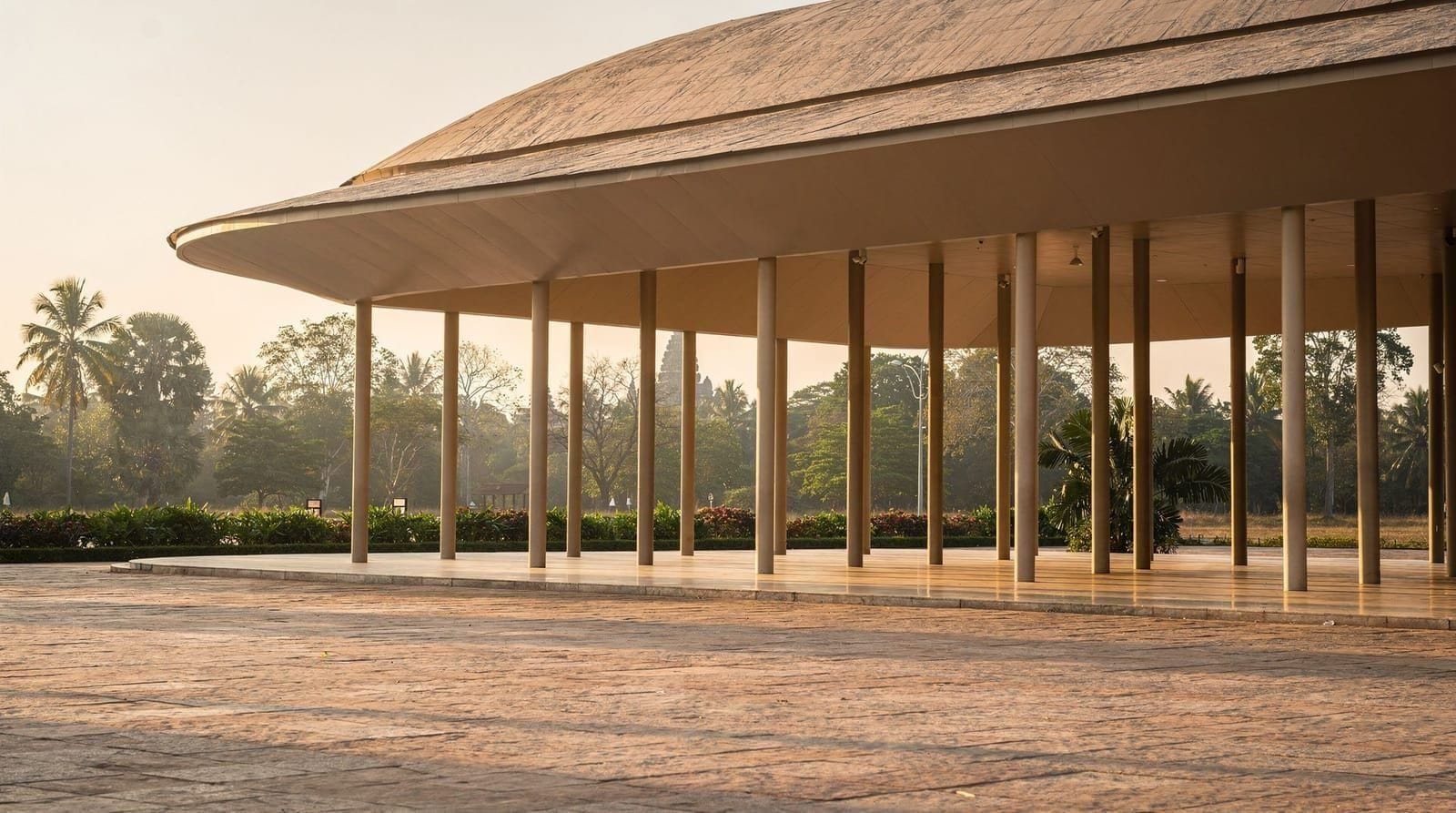
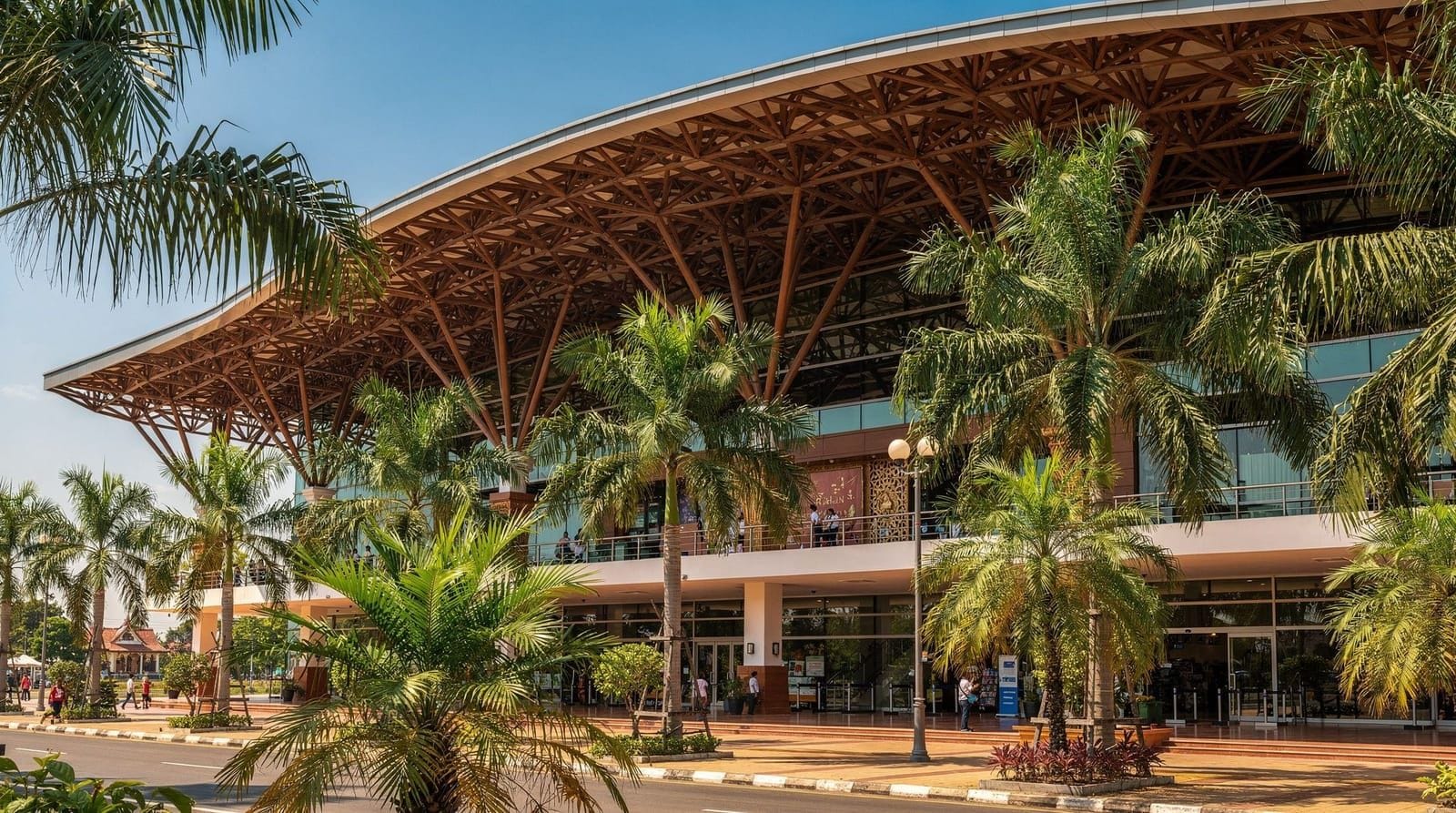
If you’ve read anything about Siem Reap written before late 2023, ignore the part about the airport being close to town. Siem Reap–Angkor International Airport (SAI) opened in October 2023, replacing the old in-town airport, and it sits 40-50 km east of the city — a genuine 45-60 minute drive, not the quick hop the old airport offered. This isn’t a minor detail. If you’re planning a tight arrival-to-temple schedule, or you land at 11 PM expecting to be at your hotel in 15 minutes, you’ll be disappointed.
Budget the drive time properly, and if you’re arriving very late or very early, consider pre-booking a transfer rather than hoping for a smooth taxi queue. The SAI airport guide has the full transfer breakdown, and my own airport transfer review walks through when pre-booking is actually worth it versus when a plain taxi does the job just as well.
The Angkor Pass math is not obvious, and nobody explains it clearly
Here’s the thing that took me embarrassingly long to understand: GetYourGuide, Viator, your hotel’s front desk — none of them sell the Angkor Pass. They sell transport and a guide. The pass itself is bought exclusively from Angkor Enterprise, either at the ticket checkpoint on Vithei Charles de Gaulle or online at angkorenterprise.gov.kh, and it comes in three tiers: $37 for one day, $62 for three days (usable across any 3 days within a 10-day window, not consecutively), and $72 for seven days.
I bought the one-day pass on my first trip, thinking I could always buy another if I wanted a second day. I could have — but the 3-day pass would have cost me $25 more total for two extra days, instead of $37 more for a second separate one-day pass. Do the math before you’re standing at the checkpoint at 5 AM. The Angkor Pass guide and the companion 3-day-vs-7-day math breakdown cover this properly.
Beng Mealea, Koh Ker, and Phnom Kulen are not on the pass
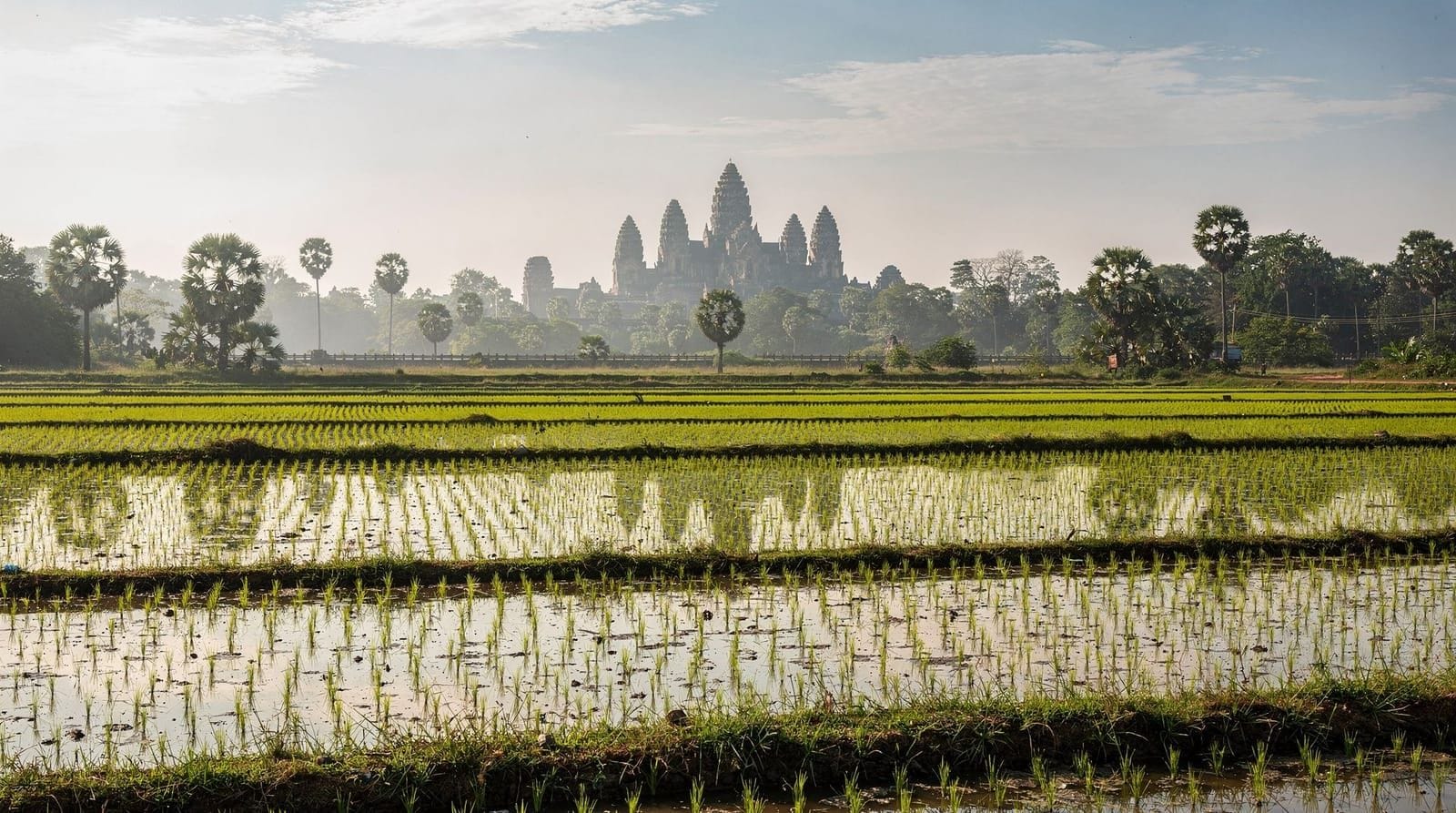
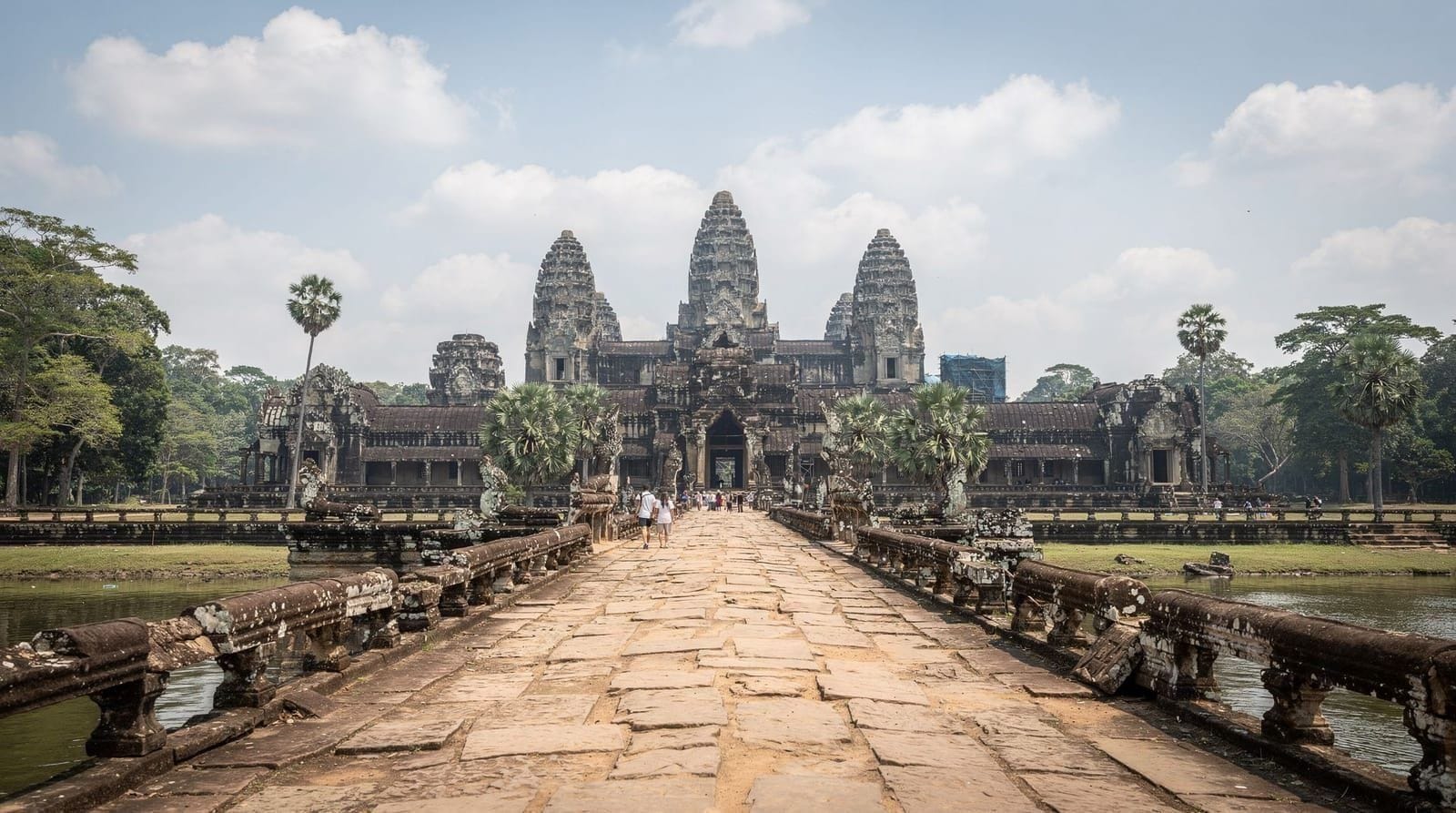
This one catches people specifically because it seems like it should be included. Angkor Wat, Angkor Thom, Ta Prohm, Banteay Srei, the Roluos Group — all covered by the standard Angkor Pass. Beng Mealea ($10), Koh Ker ($15), and Phnom Kulen ($20) are managed by different authorities and require separate tickets, paid on-site, on top of whatever Angkor Pass you’re carrying. If your itinerary includes any of these outlier temples, budget for the extra ticket separately.
Sunrise is worth it, but crowded is an understatement
I did the 4:15 AM pickup, stood at the reflecting pond, and got the photo everyone gets. It was genuinely beautiful. It was also, in peak season (I went in January), shoulder-to-shoulder with tripods by 5:20 AM. Nobody tells you there’s a smaller, quieter pond just south of the main one that gives nearly the same reflection shot with a fraction of the crowd — I found out from a guide on my second visit, not my first. My full sunrise tour review has the layout if you want to know before you go rather than after.
Dress code is actually enforced
Shoulders and knees covered, no exceptions, checked at the door of Angkor Wat and most major temples. I saw multiple visitors turned away in shorts and tank tops on my first morning there — it wasn’t a suggestion, it was a hard rule with guards actively checking. Bring a light scarf or sarong even if you think you’re dressed appropriately, since the rule is stricter than a lot of guides imply. The dress code guide has photos of what does and doesn’t pass.
The heat is a bigger factor than the temples
Coming from a temperate climate, I underestimated how much the heat would shape my days more than the temple itinerary itself. Even in the “cooler” dry season (November-March), midday sun on stone causeways with minimal shade is genuinely draining. By day two, I’d shifted to an early-morning-and-late-afternoon rhythm with a long midday break, which is honestly how most experienced Siem Reap visitors structure their trip once they figure it out. If you’re visiting April-May, when highs hit 35-39°C, plan for this from day one rather than learning it the hard way. The weather by month guide breaks this down properly.
Tap water isn’t drinkable, and USD is the real currency
Bring a reusable water bottle and refill from your hotel or buy from stalls — tap water across Siem Reap isn’t potable. Prices are quoted and paid in US dollars almost everywhere that matters to tourists; Cambodian riel functions as small change for anything under a dollar, at roughly 4,000 KHR to $1. Bring reasonably clean, undamaged USD bills — I had a $20 bill refused at a market stall for having a small tear, which I didn’t expect.
A tuk-tuk driver for the day is cheaper and more flexible than I assumed
I’d assumed I needed to book everything through a platform before arriving. In practice, hiring a tuk-tuk driver directly — through your hotel or one waiting outside — for around $15-20 a day, negotiated before you get in, is completely normal and gives you far more flexibility than a fixed-schedule tour. I used a driver my hotel recommended for two of my four days and it worked out better than the pre-booked tour I’d done on day one. The tuk-tuk pricing guide has the negotiating framework.
What I’d do differently
I’d spend less time trying to cram every outlier temple into a short trip and more time slowing down at the sites I actually cared about. I’d buy the 3-day pass from the start instead of the 1-day. And I’d do the floating village visit at Kompong Phluk rather than the closer, more heavily promoted Chong Kneas — a friend who went after me warned me about the overpriced boat packages there, and I’m glad I listened; my floating village tour review covers exactly what to look out for.
See the sunrise tour I ended up bookingThe one thing I wish someone had told me sooner
How many days you actually need depends heavily on whether you’re a “see the highlights and move on” traveler or someone who wants to properly absorb the place. Three days is the realistic minimum to see the Small Circuit, the Grand Circuit or an outlier temple, and something non-temple (a floating village, a cooking class, the town itself). Two days is workable but rushed. See the how many days guide and the 48 hours itinerary if your trip is shorter than you’d like it to be — both are more useful than a generic “spend at least a week” answer that doesn’t account for actual travel constraints.
Frequently asked questions about a first Siem Reap trip
Do I need a visa before arriving?
Most nationalities can apply for an e-visa in advance at evisa.gov.kh ($30) or get a visa on arrival at the airport for the same price. Only use the official government site — third-party lookalike sites are common in search results. The e-visa guide covers the full process.
How many days should a first-timer plan for?
Three days is the realistic minimum for a satisfying first visit covering the Small Circuit, one more temple day, and a non-temple activity. See the 3-day itinerary for a full day-by-day plan.
Is Siem Reap safe for first-time solo travelers?
Yes, in general — the main risks are petty scams (overcharging, staged charity stops) rather than serious crime. The common scams guide covers what to actually watch for.
What surprised you most on your first trip?
The airport distance and the ticket math, honestly — both are logistical details that don’t show up clearly enough in most pre-trip research, and both genuinely shape how your first day or two goes.
More tours on Viator
Top-rated experiences with verified reviews, bookable on Viator (a Tripadvisor company).