Tonlé Sap floating village tour review — which village does yours actually visit?
Siem Reap: Kompong Phluk Floating Village Half-Day Tour
“Tonlé Sap floating village tour” is a generic listing name that covers three genuinely different destinations — Chong Kneas, Kompong Phluk, and Kompong Khleang — and which one you end up at matters more than almost any other detail on this tour. This review focuses on reading listings carefully enough to know which village you’re actually booking, since the marketing copy often just says “floating village” without specifying.
| Chong Kneas | ~16 km / 20 min — closest, most touristy, weakest reputation |
| Kompong Phluk | ~30 km / 45 min-1 hr — best balance of access and authenticity |
| Kompong Khleang | ~50 km / 1-1.5 hrs — largest, least touristy, longest drive |
| Season | Kompong Phluk: mid-Aug to Jan; Kompong Khleang: mid-Aug to April |
Read the listing name carefully before booking
Book the Kompong Phluk floating village half-day tourMany “Tonlé Sap floating village” listings don’t name the specific village in the title, which means the closest and most heavily promoted option — Chong Kneas — is often the default booked by visitors who didn’t realize there was a choice. Before booking any floating-village product, check the listing description (not just the title) for the actual village name, and if it isn’t stated, message the operator before paying. The which floating village to visit guide has the full comparison if you want the complete picture before choosing.
Why Chong Kneas gets singled out
Compare the Chong Kneas floating village half-day tourChong Kneas is the closest village to town (about 16 km, 20 minutes) and the easiest to fit into a rushed schedule, which is exactly why it’s also the most reported-on for overpriced, pressure-sold boat packages and staged stops at “orphanages” or “schools” that operate as tourist-donation traps rather than genuine community institutions. This isn’t universal — legitimate operators do run tours here — but the pattern is common enough that it’s worth extra scrutiny: confirm the total price (boat plus any add-ons) before boarding, and be skeptical of any stop framed as a spontaneous charitable visit rather than a scheduled part of the itinerary.
Kompong Phluk: the balanced choice
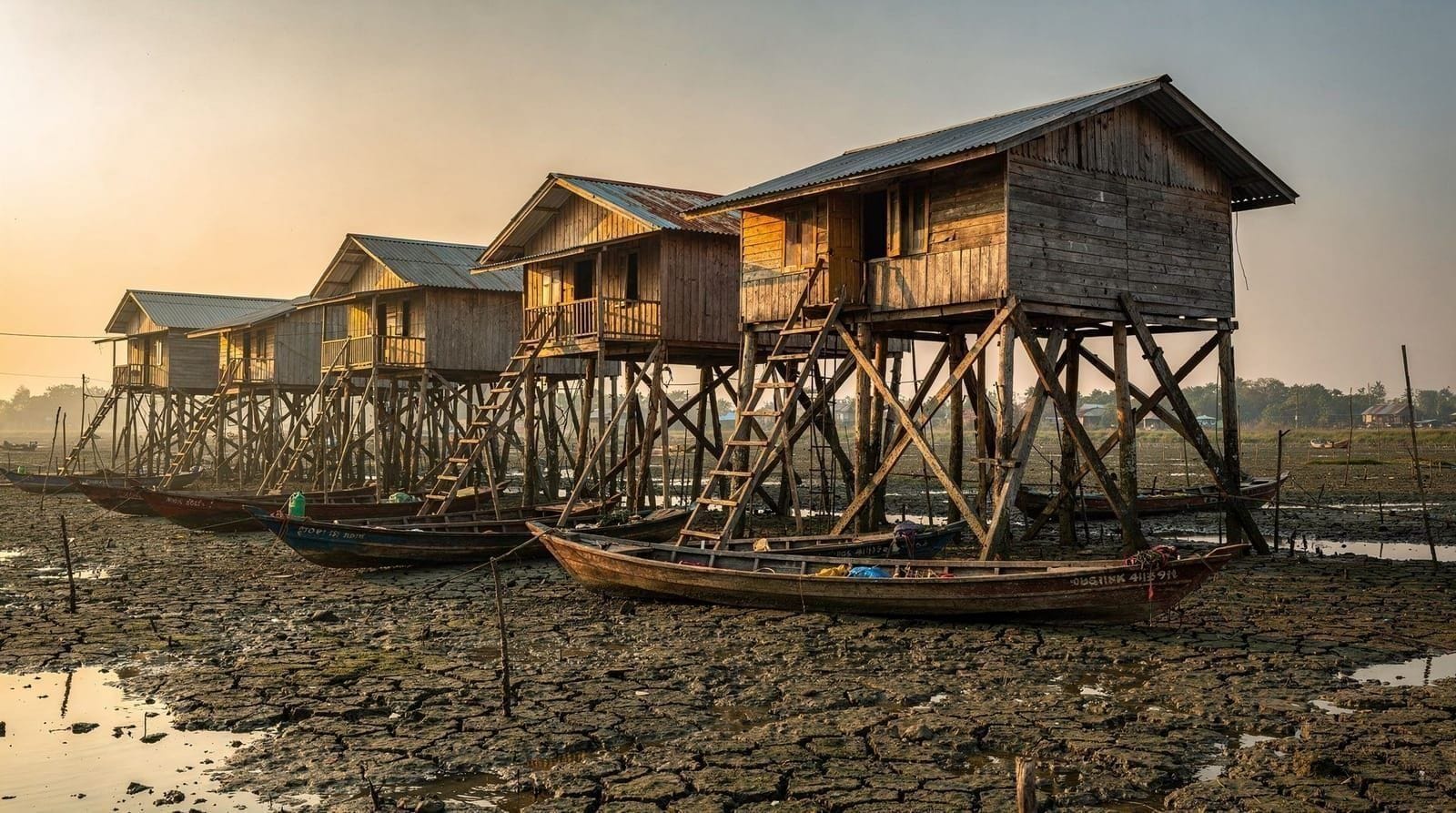
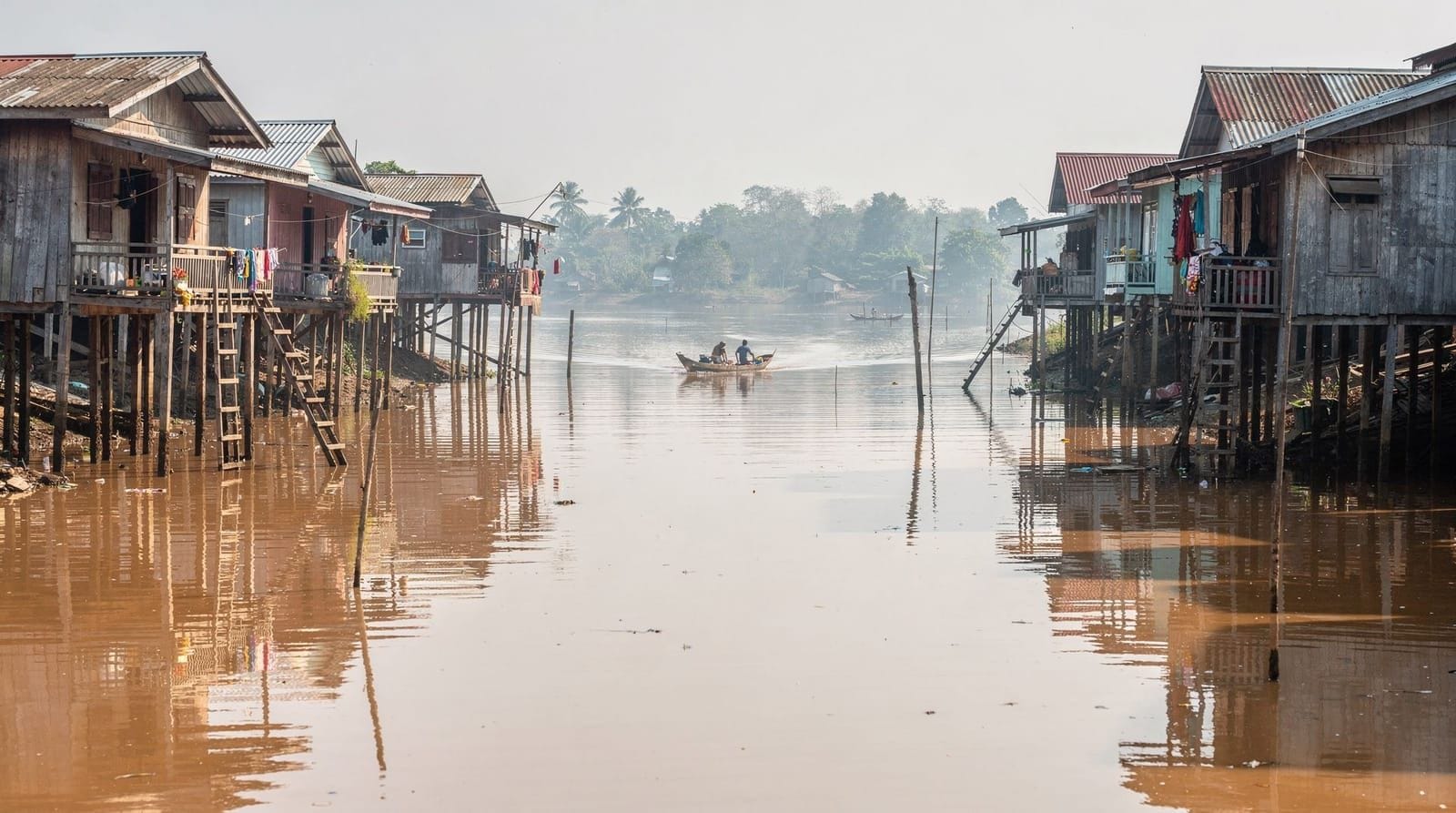
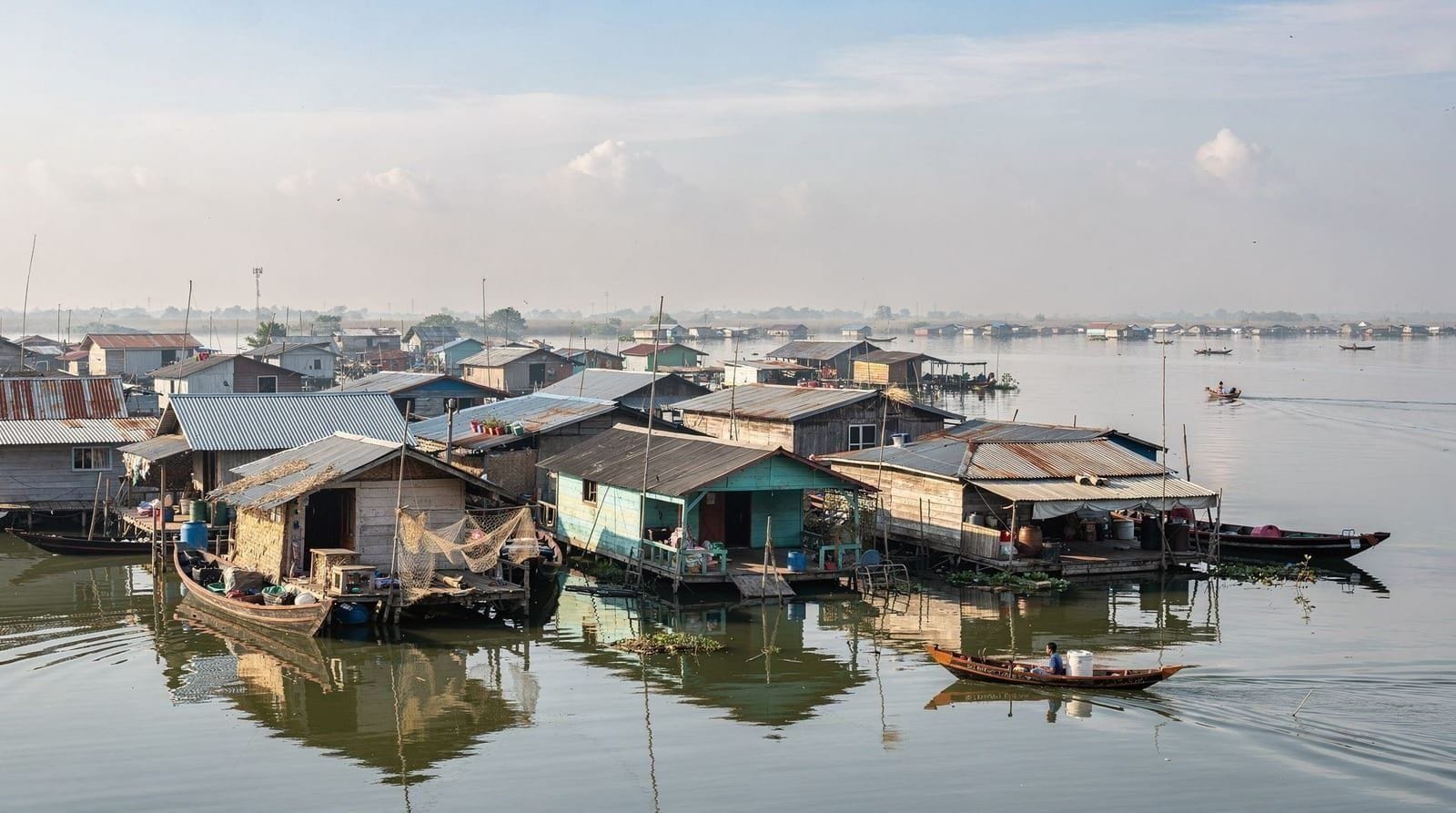
Book the Kompong Phluk floating village tourKompong Phluk sits at the lake’s flooded-forest entrance, with stilted houses built high enough to clear the seasonal water rise. It’s about 30 km / 45 minutes to 1 hour from town — a meaningfully longer drive than Chong Kneas, but the trade-off buys a noticeably less commercialized visit. Best visited mid-August through the end of January, when water levels are high enough for the classic flooded-forest boat approach; outside that window, low water can mean a shorter or less scenic boat ride, so check current conditions if you’re visiting in the shoulder months.
Kompong Khleang: further, but the most authentic
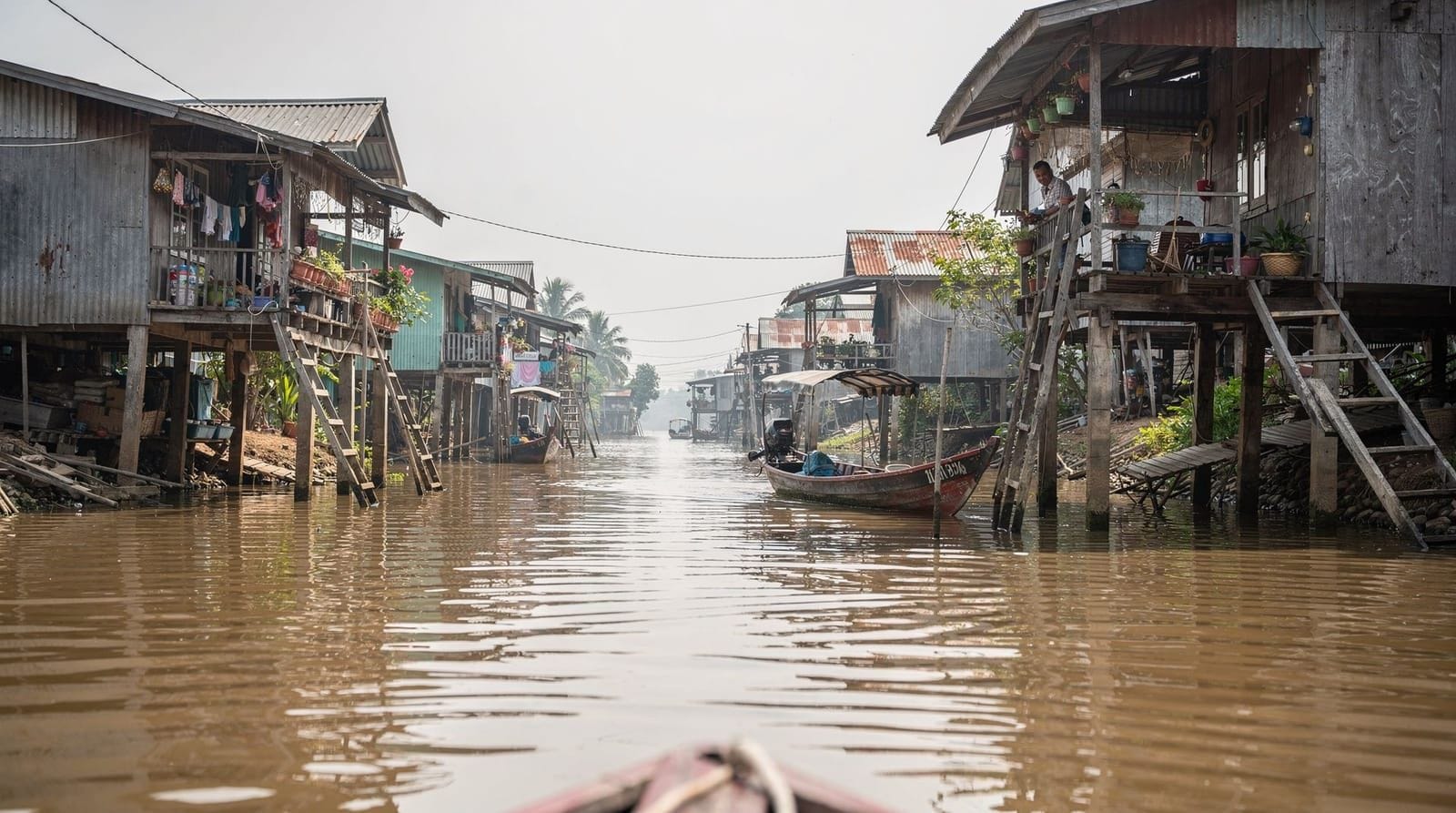
Book the Kompong Khleang full-day floating village tourAt roughly 50 km / 1-1.5 hours, Kompong Khleang is the furthest of the three but also the largest (around 6,000 residents) and the least geared toward tourism — visitors describe it as feeling like a real working town rather than a tour stop, with an active local market as part of the visit. It’s visitable mid-August through April, with March-April often cited as the best window since receding water reveals more of the village’s stilt structure and daily life. Given the distance, most Kompong Khleang tours run as a half or full day rather than a quick add-on, which the “full-day” naming on most listings reflects.
What the boat ride actually costs, separate from the tour
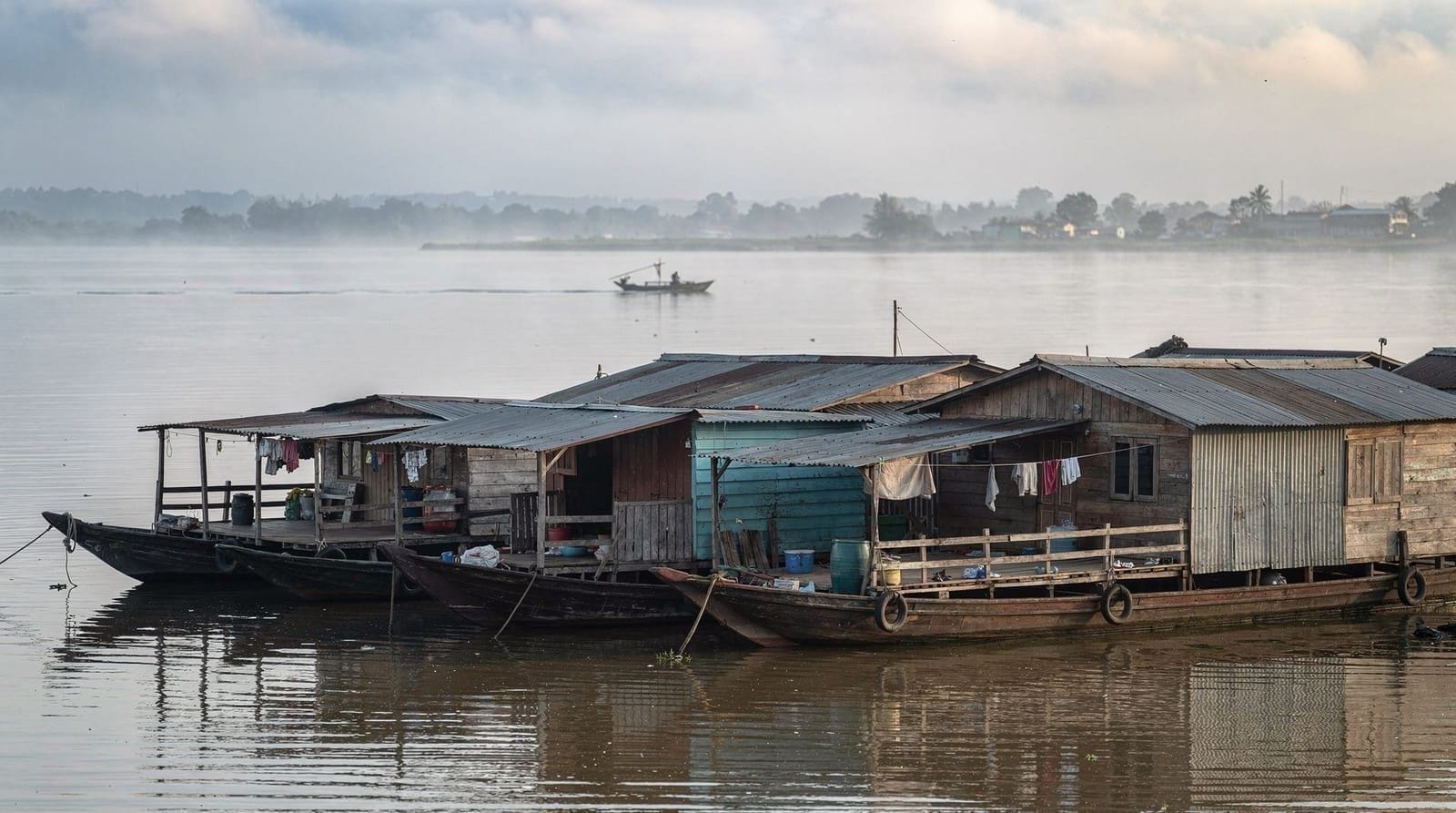
Book the general floating village half-day tourBoat rides at any of the three villages are typically priced per boat rather than per person, which matters if you’re traveling solo or in a small group — check whether your tour bundles the boat into the fixed tour price or expects you to pay or split a boat fee at the pier. Bundled pricing is generally the safer, more transparent option and is what most reputable Kompong Phluk and Kompong Khleang listings offer.
Combining with a temple day
A floating-village half-day pairs reasonably with a lighter morning at the Roluos Group (Bakong, Preah Ko, Lolei), which is roughly on the way for some routes, but doesn’t comfortably combine with a full Small or Grand Circuit day given the driving distances involved. If your schedule is tight, dedicate a distinct half-day or full day to the floating village rather than trying to tack it onto an already packed temple itinerary — see the 3-day itinerary for how this typically gets sequenced.
What to bring
Sun protection matters more here than at the temples — open water means no shade for most of the boat ride. A light rain layer is worth carrying outside the driest months (November-March), since afternoon showers can move in quickly over the lake. Motion sensitivity is rarely an issue on the calm inland waterways, but if you’re prone to it, sit centrally in the boat rather than at the bow.
What’s typically not included
Across most floating-village listings, tips for the boat driver and guide, hotel pickup outside the immediate town area (some listings restrict free pickup to a defined zone), and bottled water beyond an initial welcome bottle are commonly excluded from the base tour price — check the listing’s inclusions section rather than assuming a standard package. Life jackets are generally provided and included as standard safety equipment on legitimate operators’ boats; a listing or operator that doesn’t offer them without being asked is worth treating with caution.
Questions to ask before booking
Confirm explicitly: which of the three villages (Chong Kneas, Kompong Phluk, Kompong Khleang) does this specific listing visit? Is the boat ride bundled into the price, or paid separately at the pier? Does the itinerary include any stop framed as an “orphanage,” “school” or similar charitable visit, and if so, is it a scheduled, transparent part of the tour or an unscheduled add-on? What’s the group size on the boat — a shared boat with other travelers, or private for your party alone?
Cancellation and weather policy
Most floating-village tours operate rain or shine given the region’s climate, but check the specific operator’s policy for extreme weather cancellation and refund terms, particularly during peak rainy season (June-September) when sudden storms are more likely. A reasonable cancellation window (typically 24 hours before departure) for a full refund is standard among established operators.
Who this doesn’t suit
Travelers prone to motion sensitivity in open, sometimes choppy water should be cautious with Kompong Khleang and Kompong Phluk tours during higher-wind conditions, and should sit centrally in the boat rather than at the bow if concerned. Visitors with limited mobility may find boarding smaller boats from unstable piers more physically demanding than a temple visit — ask the operator about boarding conditions specifically if this is a concern. Travelers wanting a fast, low-commitment photo stop rather than a genuine slower look at village life are generally better served by Chong Kneas’s shorter drive than the more time-intensive Kompong Phluk or Kompong Khleang options, despite this review’s overall recommendation favoring the latter two.
Compare alternative tours
Frequently asked questions about Tonlé Sap floating village tour review
Which floating village should I book a tour for?
Kompong Phluk (~30 km, 45 min-1 hr) balances accessibility and authenticity well for most visitors. Kompong Khleang (~50 km, 1-1.5 hrs) is larger, less touristy, and feels more like a real working town, but takes longer to reach. Chong Kneas (~16 km, 20 min) is closest but is the most criticized for overpriced boat tours and staged 'orphanage' stops — approach listings for it carefully.What time of year can I visit the floating villages?
Kompong Phluk is best visited mid-August to end of January when water levels are highest around its stilted, flooded-forest setting. Kompong Khleang is visitable mid-August to April, with March-April considered the best window as water recedes and its market comes into fuller view.Is Chong Kneas worth visiting at all?
It's the easiest to reach, which makes it popular with rushed half-day itineraries, but it has a well-documented reputation for overpriced boat packages and staged charity stops targeting tourists. If you have any flexibility, Kompong Phluk or Kompong Khleang give a more genuine picture of floating-village life for a modest amount of extra travel time.Does the tour include the boat ride cost?
Check the specific listing carefully. Most floating-village tours bundle the boat ride into the tour price, but some transport-only tuk-tuk tours drop you at the pier and leave you to negotiate a boat separately — this is where Chong Kneas overcharging complaints most often originate.Can I combine a floating village visit with Angkor temples on the same day?
Yes, though it makes for a long day given the driving distances involved. Most visitors either dedicate a half-day specifically to the floating village or combine it with a lighter temple morning rather than a full Small or Grand Circuit day.