Ta Prohm
Visiting Ta Prohm from Siem Reap: real crowd patterns, the actual Tomb Raider filming spot, ticket needed and when to arrive.
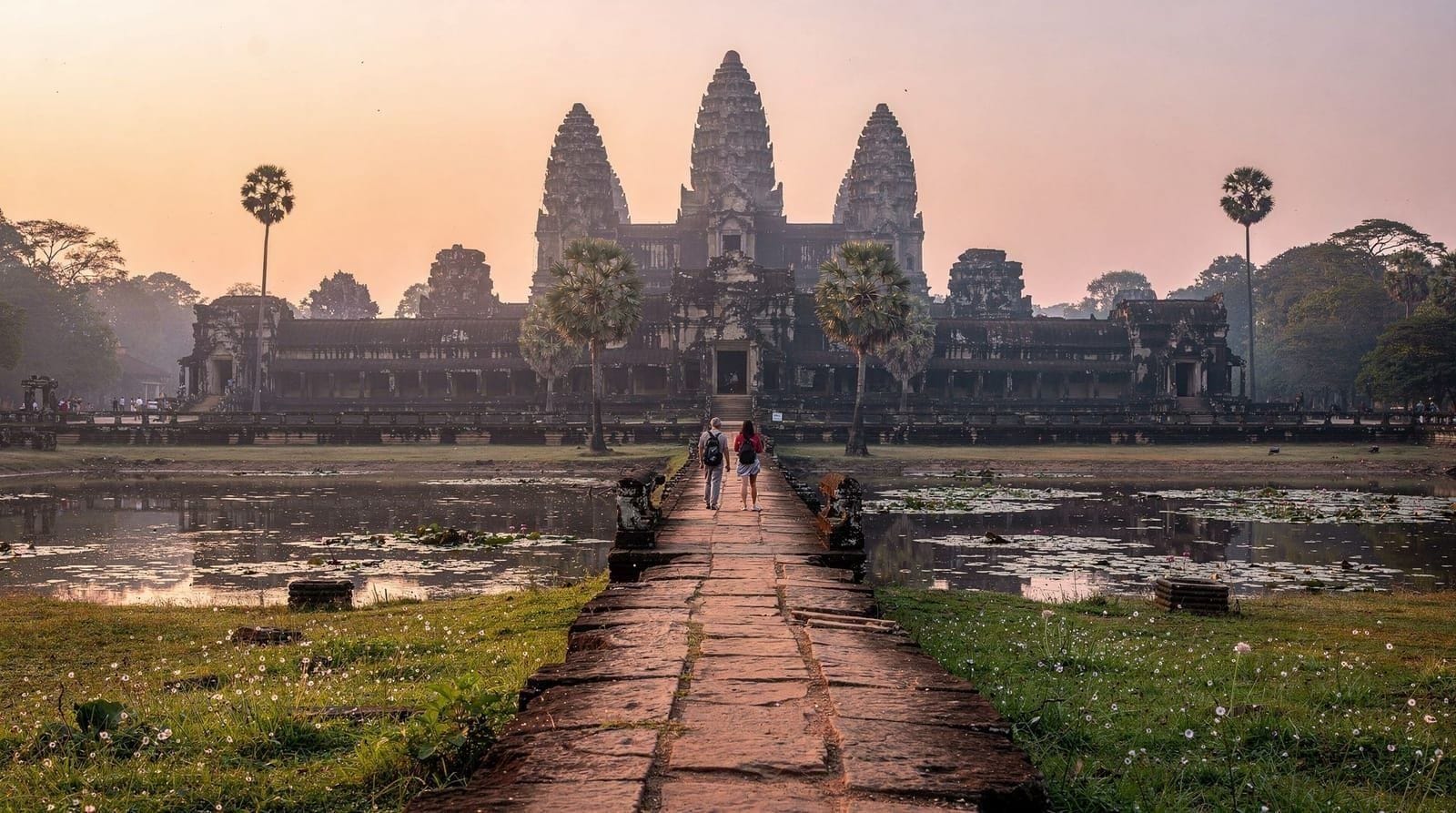
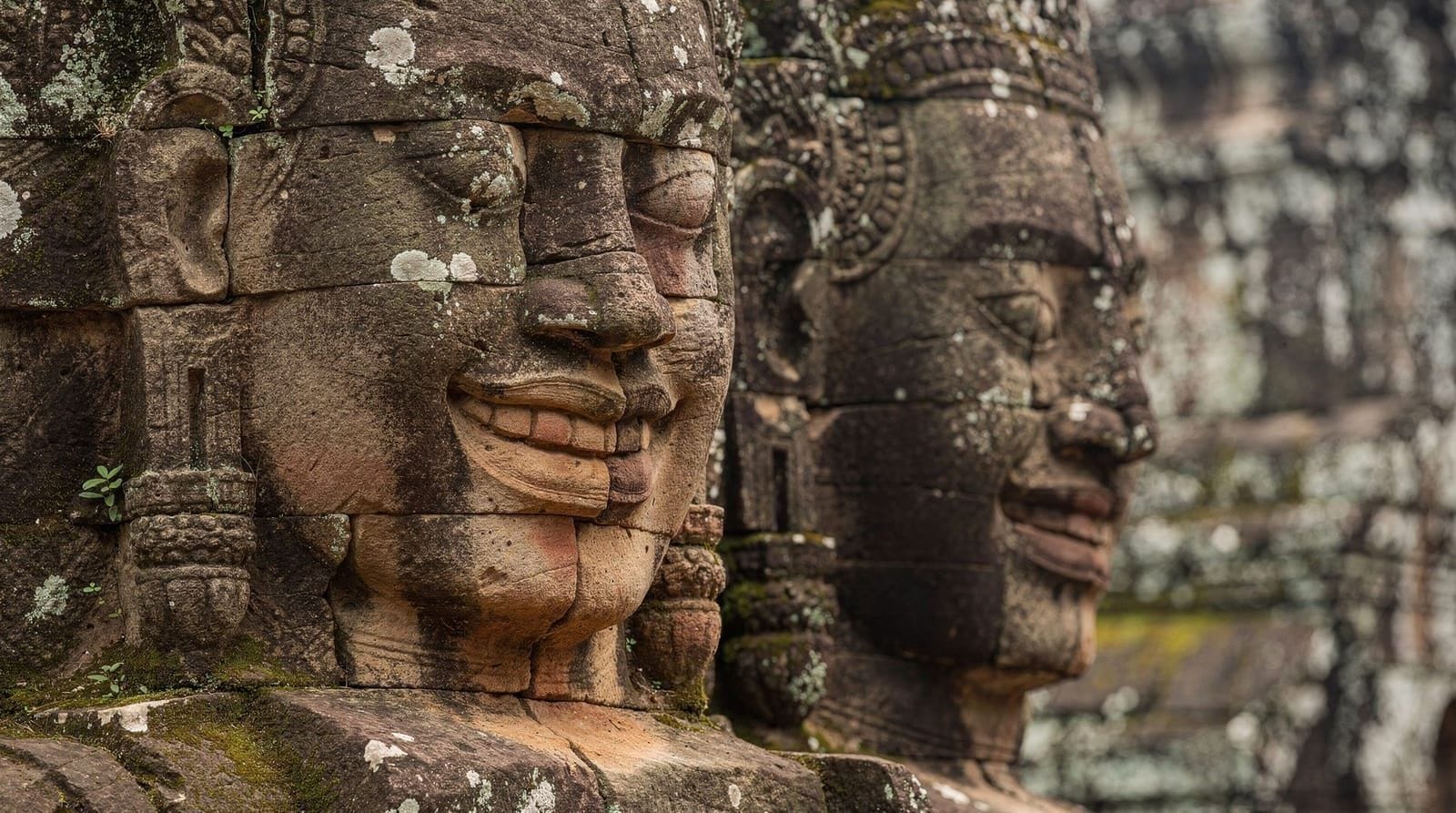
Angkor Wat: Sunrise Visit to Ta Prohm and Bayon Temples
Quick facts
- Distance from Old Market
- ~12 km, 25-30 min by tuk-tuk
- Ticket needed
- Angkor Pass (same pass as Angkor Wat)
- Time to allow
- 1-1.5 hours
- Best time
- Before 8:00 AM or after 4:00 PM to avoid the Tomb Raider crowd bottleneck
- Dress code
- Shoulders and knees covered
The temple the jungle was allowed to keep
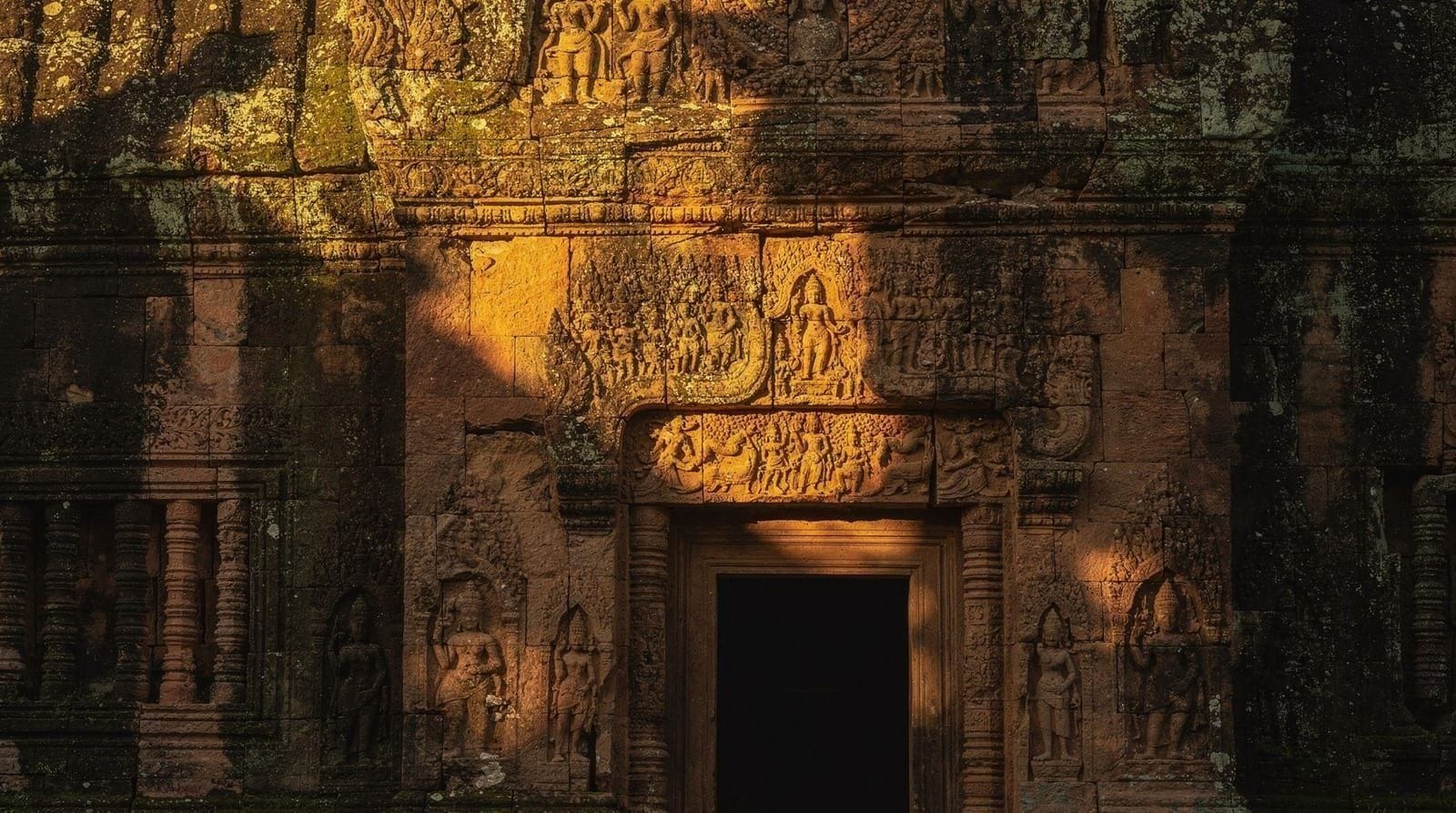
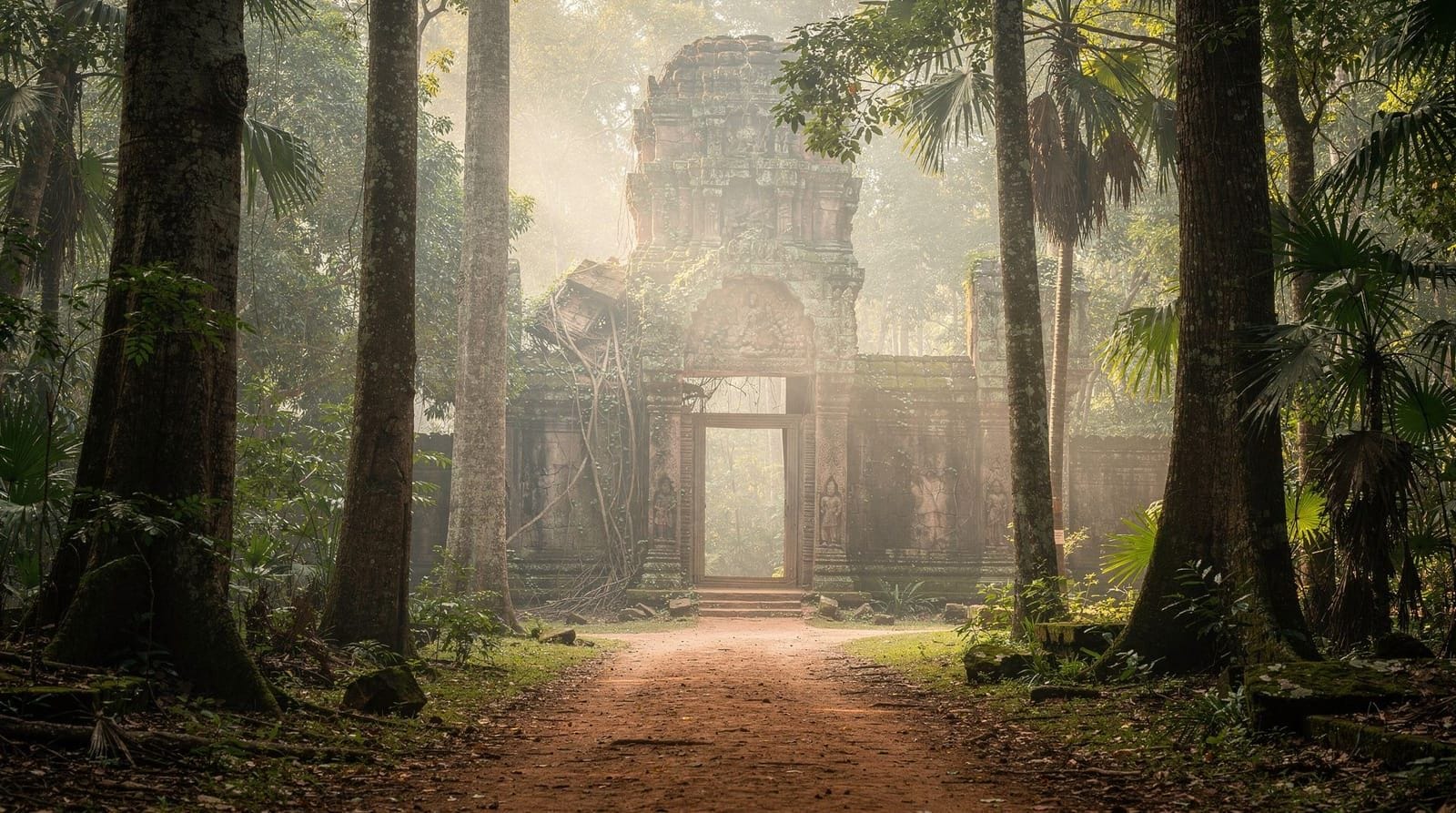
Ta Prohm was built in 1186 by Jayavarman VII as a Buddhist monastery and university dedicated to his mother, and it’s the one major Angkor temple where restoration teams deliberately left the silk-cotton and strangler fig trees growing through the stonework, rather than clearing them the way most other sites were cleared. That decision — partly practical (removing the roots risked collapsing the walls they now support), partly aesthetic — is the entire reason Ta Prohm looks the way it does, and the reason Angelina Jolie’s 2001 Lara Croft: Tomb Raider used it for its most iconic shots.
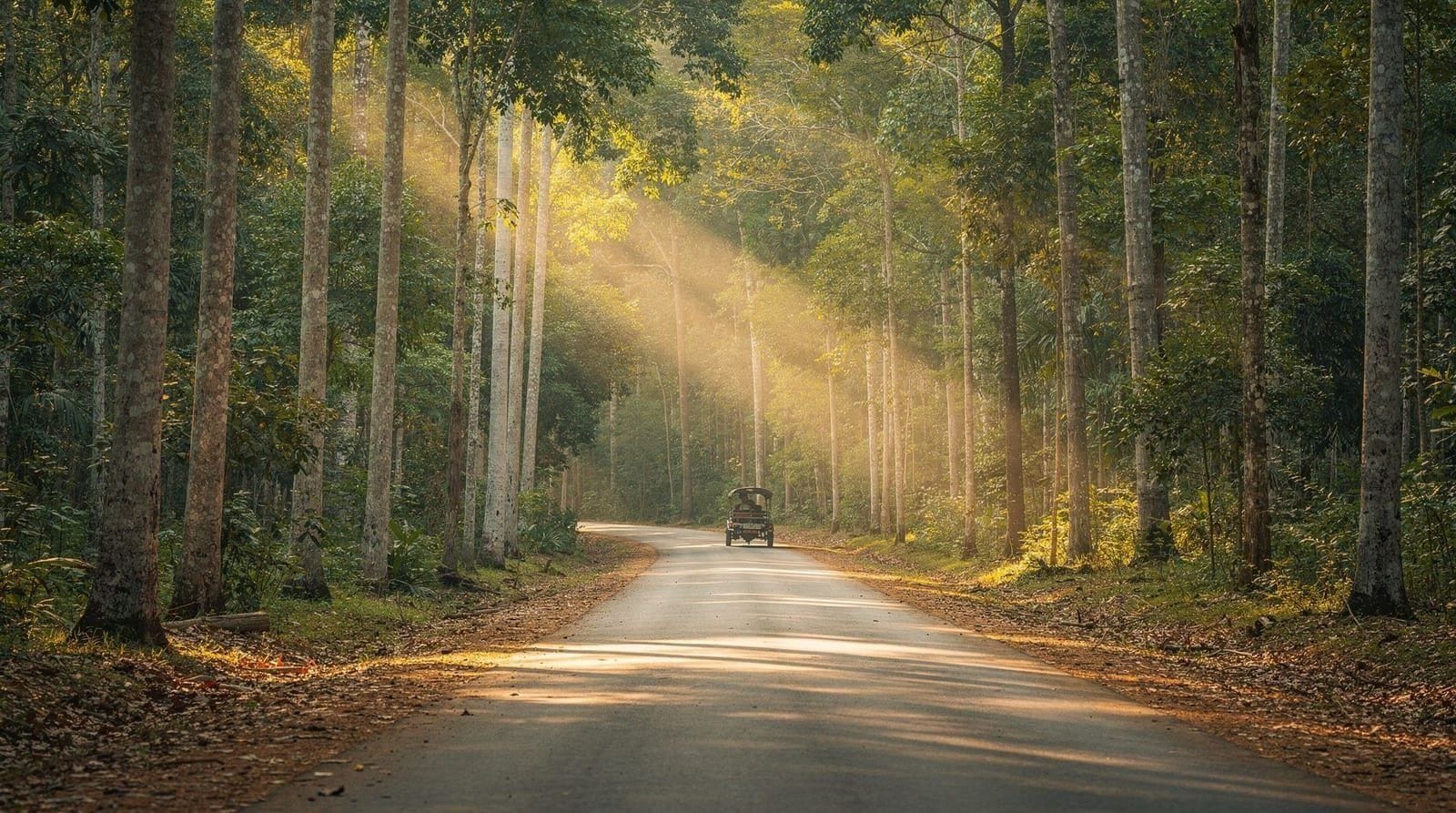
It sits about 12 km from central Siem Reap, roughly 25-30 minutes by tuk-tuk, and is the standard third stop on the Small Circuit after Angkor Wat and Angkor Thom / Bayon.
Ticket
Fully covered by the standard Angkor Pass — no separate charge. See the Angkor Pass guide for 1/3/7-day pricing ($37/$62/$72), sold only by Angkor Enterprise.
Why timing here matters more than at almost any other temple
Ta Prohm’s layout is the problem: the most photogenic tree-root formations sit along a single narrow walkway through the temple’s central courtyards, and there’s essentially no way around the bottleneck once a large tour group is in front of you. Arrive between roughly 9:30 AM and 2:00 PM in peak season (November-March) and you’ll likely be shuffling in a queue for the classic “root over doorway” shot, phone held overhead, waiting your turn. Arrive before 8:00 AM or after 4:00 PM and the same walkway can be nearly empty.
If Ta Prohm is a priority — and for most first-time visitors it is — build your day around it rather than treating it as a default third stop after Angkor Wat sunrise. Some visitors now do Ta Prohm first, at opening, then work backward to Angkor Thom and Angkor Wat once the light has softened; this reverses the usual sunrise-first order but avoids Ta Prohm’s worst crowding window entirely.
The specific spot everyone’s looking for
The most photographed tree — a strangler fig with roots draped over a stone doorway — sits in the temple’s eastern section, along the main visitor route; staff sometimes station themselves nearby (unofficially) offering to take your photo for a tip. It’s not the only impressive root formation in the complex — several courtyards further in have comparably dramatic growth with far fewer people, since most visitors stop at the first “famous” tree and don’t continue exploring.
A university and monastery, not just a temple
Ta Prohm’s original inscription — one of the most detailed surviving records from the Angkorian era — describes an institution on a genuinely staggering scale: over 12,500 people attached to the temple complex, including more than 600 dancers, 2,700 officials, and thousands of villagers across nearby settlements assigned to support it, along with stores of rice, honey, and other goods.
It functioned simultaneously as a Buddhist monastery, a university, and a hospital-adjacent institution dedicated to Jayavarman VII’s mother, whom later Buddhist iconography inside the temple represents as the bodhisattva of wisdom, Prajnaparamita. This scale is almost impossible to picture standing among today’s collapsed, jungle-wrapped ruins — a useful reminder that what you’re walking through is a fragment of what was, at its height, one of the largest religious and educational institutions in the empire.
Why the trees are allowed to stay, and the debate around it
The decision to leave Ta Prohm semi-wild rather than clear and restore it the way Angkor Wat and Angkor Thom were cleared has been debated among conservationists for decades. The practical argument is straightforward: many of the largest trees have grown their root systems so thoroughly into the stone structure that removing them risks catastrophic collapse of the walls they now hold together as much as they damage.
The India-led conservation team that has worked on Ta Prohm since the early 2000s (a different national team than the ones responsible for Angkor Wat or Bayon’s restoration) has followed a “consolidation, not reconstruction” philosophy — stabilizing what exists, controlling which trees are allowed to keep growing versus which pose an active structural risk, rather than attempting a full clearing-and-rebuild.
Some of the smaller, less structurally load-bearing trees have in fact been removed over the years as part of this ongoing risk management, which is part of why the site looks somewhat different from photos taken even a decade ago — if you’ve been before and remember more overgrowth, that’s a real, deliberate change, not your memory playing tricks.
What’s overrated
The queue for the specific doorway-root photo, more than the temple itself. Ta Prohm is genuinely worth the visit — it’s not overrated as a destination — but the fixation on recreating one specific Tomb Raider-adjacent photo creates a bottleneck that most visitors could sidestep just by walking 5 more minutes into the quieter interior courtyards, or by adjusting arrival time.
Structural notes and safety
Ta Prohm remains a partially collapsed structure by design — conservation here favors stabilization over full reconstruction, so uneven fallen stone, low doorways and narrow gaps between structures are the norm, not signs of neglect. Sturdy shoes matter more here than at Angkor Wat or Bayon, where the walking surfaces are flatter. Some sections have wooden walkways and barriers installed for structural protection and crowd flow; stay on the marked paths, both for safety and because unauthorized climbing on the ruins is prohibited and enforced.
How Ta Prohm compares to Preah Khan and Beng Mealea
Three destinations on this site share a version of the “jungle reclaiming stone” aesthetic, and it’s worth knowing the differences before deciding how much time to give each. Ta Prohm is the most accessible and most crowded — a genuinely worthwhile visit, but one where you’re sharing the walkway with dozens of other visitors much of the day in peak season. Preah Khan, on the Grand Circuit, offers a comparable atmosphere with a fraction of the visitors, since it sits on the less-visited loop — arguably the better choice if crowds are your main frustration with Ta Prohm.
Beng Mealea, roughly 65 km further out, takes this even further: almost entirely unrestored, minimal crowd infrastructure, and a genuinely different, more “expedition” feel, at the cost of a much longer drive and a separate $10 ticket not covered by the Angkor Pass. If you only have time for one, Ta Prohm’s fame is earned and it remains the right default choice for a first Angkor trip — but if you found yourself wishing for fewer people while you were there, Preah Khan or Beng Mealea are the direct answer on a return visit.
Best photo angles, and where the crowds actually cluster
The single most photographed spot — the strangler fig root draped directly over a stone doorway in the temple’s eastern section — is also the single most bottlenecked, particularly between 9:30 AM and 2:00 PM. A short walk further into the complex, several less-famous but structurally similar root formations offer comparable drama with a fraction of the wait; ask a guide, if you have one, to point these out specifically, since they’re not marked on any signage.
Wide shots taken from just inside one of the gopura (gate towers), framing a collapsed doorway against jungle canopy beyond, tend to read better in photos than tight shots crowded with other visitors’ phones and arms — worth keeping in mind if you’re specifically trying to get an uncluttered frame during a busy period rather than waiting out the crowd entirely.
How to combine it with the rest of your day
Ta Prohm typically closes out the standard Small Circuit loop after Angkor Wat and Angkor Thom — see our Small Circuit destination page for the full sequencing. Our sunrise tour covering Ta Prohm and Bayon and the full one-day Small Circuit tour both include it as standard.
If you’d rather pair Ta Prohm with the quieter, less-visited Banteay Kdei next door — a genuinely underrated combination most rushed itineraries skip — the Ta Prohm and Banteay Kdei half-day tour covers both without the full-circuit time commitment.
For a private pace that lets you linger in the quieter interior courtyards rather than moving with a group, the private one-day Angkor Wat, Angkor Thom and Ta Prohm tour is worth the premium over a shared group tour specifically for this stop.
Common mistakes visitors make at Ta Prohm
Arriving during the 9:30 AM-2:00 PM peak-season window expecting a calm visit — the single most common source of disappointment reported by visitors, entirely avoidable with better timing. Skipping the deeper interior courtyards after reaching the famous doorway tree — most visitors treat that one photo as the whole point of the visit and turn back, missing several comparably dramatic (and far quieter) formations just a few minutes further in.
Wearing sandals or open shoes — the uneven ground and loose stone genuinely favor closed, sturdy footwear more than at any other Small Circuit stop. Assuming Ta Prohm and Beng Mealea are interchangeable — visitors who’ve seen photos of both sometimes assume they can skip one; they’re genuinely different experiences (accessible-but-crowded vs. remote-but-far), not redundant versions of the same thing.
Practical notes
Bring water — there’s limited shade along the interior walkways despite the tree cover, and the uneven ground means the walk takes longer than the distance suggests. Dress code (shoulders and knees covered) applies as at every Angkor temple; see the dress code guide. There’s no significant food or drink concession inside the temple itself — small stalls cluster near the parking area, selling drinks, fruit and basic snacks at tourist-area prices; it’s not the place to plan a proper meal, but enough for a mid-loop rehydration stop before continuing on to whatever’s next on your Small Circuit route.
Frequently asked questions about Ta Prohm
Is Ta Prohm the actual Tomb Raider filming location?
Yes, along with Angkor Wat and Preah Khan, Ta Prohm was used for location filming in the 2001 Tomb Raider film, and its tree-root aesthetic is the most closely associated with the film in most visitors’ minds — hence its nickname, “the Tomb Raider temple.”
Do I need a separate ticket for Ta Prohm?
No, it’s fully covered by the standard Angkor Pass used for Angkor Wat and the rest of the main park.
When should I go to avoid the crowds?
Before 8:00 AM or after 4:00 PM. The 9:30 AM-2:00 PM window in peak season (November-March) sees the worst bottlenecking at the main root-and-doorway photo spot.
How much time do I need at Ta Prohm?
1-1.5 hours is typical for the main loop through the complex. Photographers and Tomb Raider fans wanting to explore the quieter interior courtyards can easily spend 2 hours.
Is Ta Prohm difficult to walk through?
More uneven than Angkor Wat or Bayon — expect low doorways, loose stone and narrow gaps. Sturdy closed shoes are more useful here than sandals.
Should I visit Ta Prohm or Angkor Wat first if I can only pick one order?
If avoiding crowds matters more to you than seeing the “classic” sunrise, some visitors now do Ta Prohm first thing at opening, then work toward Angkor Thom and Angkor Wat once the sunrise crowd has thinned — the reverse of the standard order.
Why is Ta Prohm left overgrown while other Angkor temples were cleared?
Conservation teams determined that many of the largest trees have grown their roots so deeply into the structure that removing them risks collapsing the walls they now support. The site follows a “consolidate, don’t reconstruct” philosophy, different from the fuller restorations seen at Angkor Wat or Baphuon.
How big was Ta Prohm’s original community?
The temple’s founding inscription records an extraordinary scale for its time — over 12,500 people attached to the institution, including 600+ dancers and 2,700 officials, plus large stores of rice, honey and other goods supplied by surrounding villages.
Is Ta Prohm suitable for visitors with mobility limitations?
Less so than Angkor Wat or the flatter sections of Angkor Thom — expect uneven ground, low doorways, loose stone, and wooden walkways with steps in places. Visitors with significant mobility concerns should expect a more limited version of the site than fully able-bodied visitors.
Has Ta Prohm changed since the Tomb Raider film was made in 2001?
Yes, in small but real ways — ongoing conservation work has removed some smaller, structurally risky trees over the years as part of routine risk management, so the site looks somewhat different from images captured around the film’s release, even though the core atmosphere remains recognizably the same.
Top experiences
Bookable activities with verified prices and instant confirmation on GetYourGuide.

Angkor Wat: Sunrise Visit to Ta Prohm and Bayon Temples

Angkor: One-Day Small Circuit Tour, Angkor Wat, Bayon and Ta Prohm
Siem Reap: Ta Prohm and Banteay Kdei 4-Hour Guided Tour

Angkor: Private One-Day Tour of Angkor Wat, Angkor Thom and Ta Prohm

Siem Reap: Angkor Wat, Angkor Thom and Ta Prohm by Tuk-Tuk
More tours on Viator
Top-rated experiences with verified reviews, bookable on Viator (a Tripadvisor company).