How many days do you need in Siem Reap?
Siem Reap: Angkor Wat Sunrise Small-Group Tour
How many days do you need in Siem Reap?
Three days is the realistic minimum to see Angkor Wat, Angkor Thom/Bayon, Ta Prohm and one outlier temple or Tonlé Sap village without rushing. One day only covers the Angkor Wat sunrise plus one or two temples. Five to seven days lets you add Banteay Srei, Beng Mealea, Koh Ker, a floating village and a Battambang day trip without repeat fatigue.
The question behind the question
Most visitors don’t actually want to know “how many days” in the abstract — they want to know what they’d be trading off at each length, because Cambodia is rarely the only stop on the trip. This guide breaks it down by what each length of stay actually buys you at Angkor and around Siem Reap town, tied directly to the Angkor Pass tiers, because the pass pricing was designed around exactly these three lengths.
The short version: 1 day is a highlights-only sprint, 3 days is the sweet spot for most first-timers, and 5-7 days is for people who want the outlier temples, Tonlé Sap, and a slower pace without repeat visits to the same three sites.
1 day: Angkor Wat highlights only
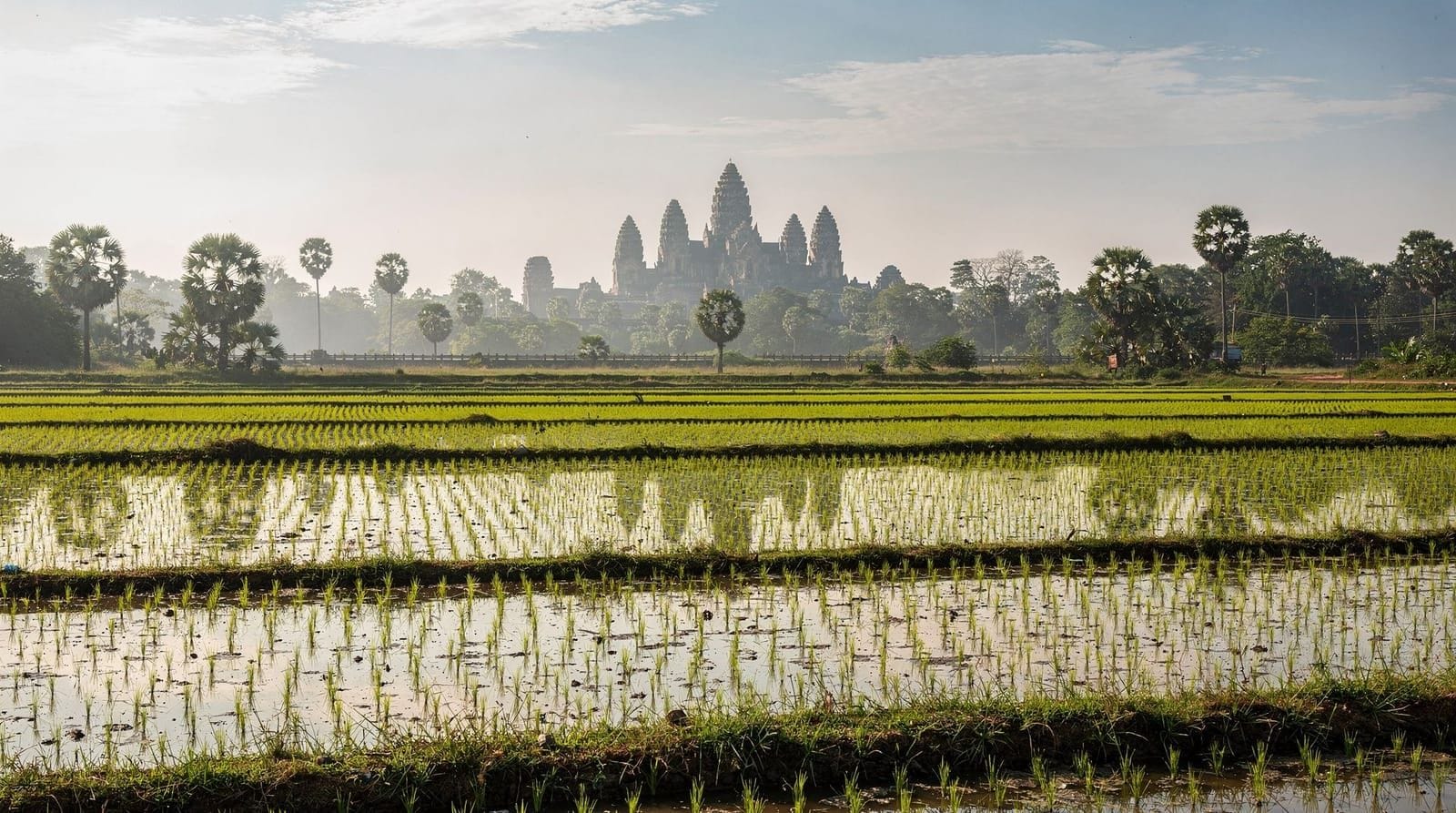
What fits: Angkor Wat at sunrise, Angkor Thom and Bayon’s carved faces, Ta Prohm’s tree roots. This is the “small circuit core” — the three sites that appear on every postcard.
What doesn’t fit: the rest of the small circuit (Preah Khan, Neak Pean, Ta Som), the grand circuit, any outlier temple (Banteay Srei, Beng Mealea, Koh Ker, Phnom Kulen), and Tonlé Sap.
Pass math: the 1-day Angkor Pass is $37, valid for that single calendar day. If you’re only doing one day, this is the pass to buy — there’s no saving by buying a 3-day pass and using one day of it.
Realistic pace: gates open at 5:00am for sunrise; expect to be walking by 4:45am and not stop until early evening. It’s a full, tiring day, not a leisurely one. A guided sunrise small-group tour is worth considering for this length specifically — a guide keeps you moving efficiently when time is this tight.
Who this suits: stopover travelers connecting through Bangkok or Ho Chi Minh City, or anyone genuinely limited to a single day by a wider Southeast Asia itinerary.
2 days: small circuit plus one extra
What fits: the full small circuit on day one (Angkor Wat, Bayon, Ta Prohm, plus Preah Khan or Neak Pean if energy allows), and either the grand circuit or a half-day outlier — Banteay Srei is the most common choice given its 40-minute drive — on day two.
What doesn’t fit: both the grand circuit and an outlier temple in the same trip, or a floating village without cutting something else.
Pass math: the 3-day pass ($62) still makes sense here even though you’re only using 2 of the 3 days — it’s not meaningfully more than a hypothetical 2-day rate (which doesn’t exist; Angkor Enterprise sells only 1/3/7-day tiers) and gives a buffer day if plans shift.
Who this suits: travelers combining Siem Reap with another Cambodia stop (Phnom Penh, the coast) on a roughly one-week trip.
3 days: the sweet spot (most travelers)
What fits: small circuit (day 1), grand circuit or Banteay Srei/Beng Mealea (day 2), and a genuinely free third day for Tonlé Sap, the Old Market area, a cooking class, or a rest morning before an afternoon temple. See the full 3-day itinerary for an hour-by-hour plan.
Pass math: this is exactly what the 3-day pass ($62) is built for — usable across any 3 days within a 10-day window, so you don’t have to use it on three consecutive days if you want a rest day in between.
Why this is the median recommendation: it’s long enough to avoid the sunrise-to-sunset sprint of a 1-day visit, and it fits the temples, one outlier or village, and unstructured town time without needing a 7-day pass most visitors won’t fully use. It’s also the length most GYG/Viator multi-day private 3-day Angkor tours are built around.
Common mistake at this length: trying to cram Koh Ker AND Beng Mealea AND Banteay Srei into the same day. Each outlier temple direction takes 1-1.5 hours each way from town; combining two on one day means 4+ hours of driving. Pick one outlier direction per day.
5 days: outliers plus a real break
What fits: small circuit, grand circuit, Banteay Srei + Beng Mealea in one combined day (they’re roughly in the same direction), Koh Ker as a separate day (further and rougher road), plus a Tonlé Sap floating village morning and a genuine rest/town day.
Pass math: the 3-day pass still covers the temple-entry days; you don’t need the 7-day pass unless you’re spreading temple visits across more than 3 separate calendar days within the trip.
Who this suits: travelers prioritizing Cambodia as the trip, not a stopover — this length lets you see which outlier temples are worth it without repeat entries, and adds one full Tonlé Sap floating village day.
7 days: Cambodia-wide, unhurried
What fits: everything in the 5-day plan, plus either an overnight in Battambang (bamboo train, colonial architecture, quieter pace) or a Phnom Penh add-on, and rest days between early starts — sunrise mornings are genuinely tiring after 2-3 in a row.
Pass math: this is where the 7-day pass ($72) — only $10 more than the 3-day pass — starts to make sense, since it lets temple-park days spread across up to 30 days without re-buying.
Who this suits: slow travelers, photographers wanting to revisit the same temple in different light (see the photography itinerary), and anyone treating Siem Reap as a base for a wider Cambodia loop rather than a single city stop.
Quick-reference table
| Length | Angkor Pass | What you’ll see | What you’ll skip |
|---|---|---|---|
| 1 day | 1-day ($37) | Angkor Wat, Bayon, Ta Prohm | Grand circuit, all outliers, Tonlé Sap |
| 2 days | 3-day ($62), 2 used | Small + grand circuit OR small circuit + Banteay Srei | One of the above two, all farther outliers |
| 3 days | 3-day ($62) | Small circuit, grand circuit or 1 outlier, town/Tonlé Sap day | Multiple outlier days, Battambang/Phnom Penh |
| 5 days | 3-day ($62) | Small + grand circuit, 2 outlier days, 1 Tonlé Sap day, rest day | Battambang/Phnom Penh overnight |
| 7 days | 7-day ($72) | All of the above plus Battambang or Phnom Penh add-on | Nothing essential |
For the exact ticket math including the outlier temples that fall outside the Angkor Pass (Koh Ker $15, Phnom Kulen $20, Beng Mealea $10), use the Angkor Pass calculator — it totals the real cost for whatever length you land on.
How pace changes the calculus
The day counts above assume a moderate pace — early starts, a midday break during the hottest hours, and one temple cluster per day. Two traveler profiles change this math meaningfully.
Fast, highlights-focused travelers can compress a 3-day plan into 2 by combining the small and grand circuits into one long day (doable, but it means 8+ hours of walking on uneven stone in heat, and most people regret it by mid-afternoon). This only works well in the cooler months (November-February); attempting it in April or May heat is genuinely risky — see the seasonal weather guide before committing to a compressed schedule.
Slower travelers, photographers, and families need to add a day at every tier. A family with young children (see Siem Reap with kids) rarely manages more than one temple cluster per day before nap-time or heat fatigue sets in, effectively turning a “3-day” itinerary into 4-5 days of actual temple time. Photographers chasing specific light — dawn at Angkor Wat, midday shadows at Ta Prohm, golden hour at Angkor sunset spots — often revisit the same temple twice, which the 3-day pass’s non-consecutive-day flexibility supports well.
Combining with the rest of Cambodia
Very few visitors fly into Siem Reap, see only the temples, and fly straight out — most combine it with at least one other Cambodian city. This changes the “how many days” question from a pure Angkor calculation to a whole-trip one.
- Siem Reap + Phnom Penh: the journey between them takes roughly 5-6 hours by bus or about 45 minutes by air. Add at least 2 full days in Phnom Penh (Killing Fields, Royal Palace, riverside) on top of your Siem Reap days — don’t treat it as a day trip.
- Siem Reap + Battambang: closer, at roughly 2.5-3 hours by road. Some visitors do it as a long day trip; an overnight is more comfortable and lets you see the bamboo train and colonial-era shophouse district without rushing back before dark.
- Siem Reap + Bangkok overland: crossing at Poipet is a full transit day on its own — budget 6-8 hours door to door including the border formalities, and check current status notes before planning this route given the fluid Cambodia-Thailand border situation.
If any of these are on your route, add their transit and destination time on top of — not instead of — your Siem Reap day count.
Common itinerary mistakes at every length
- Scheduling the grand circuit and an outlier temple on the same day. The grand circuit alone (Preah Khan, Neak Pean, Ta Som, East Mebon, Pre Rup) takes most of a day; adding a 1-1.5 hour drive each way to Banteay Srei or Beng Mealea on top of it means arriving exhausted and rushing the outlier.
- Not accounting for the 4:45am sunrise wake-up on back-to-back days. Two consecutive sunrise mornings is genuinely tiring — most itineraries benefit from alternating an early temple day with a later-start town/village day.
- Underestimating outlier temple drive times. Koh Ker is roughly 2 hours each way from Siem Reap on a mix of paved and dirt road; Phnom Kulen is about 1-1.5 hours with a steep final ascent. Both deserve a dedicated day, not a same-day pairing with anything else.
- Buying the 7-day pass “just in case.” Unless you genuinely plan temple-park visits across more than 3 separate days, the extra $10 over the 3-day pass buys flexibility you won’t use — the pass calculator makes the real math visible before you commit.
How to decide, in three questions
- Is Siem Reap your main destination or a stopover? Stopover → 1-2 days. Main destination → 3+ days.
- Do you care about the outlier temples (Banteay Srei’s carvings, Koh Ker’s step pyramid, Beng Mealea’s jungle ruins) or just the “big three”? Big three only → 2-3 days. Outliers matter → 5+ days.
- Are you combining this with Battambang or Phnom Penh? Yes → add 2 days minimum for the round trip, ideally with an overnight rather than a rushed day trip.
If you’re still unsure, three days is the safest default — it’s the length the Angkor Pass tiers, most private multi-day tours, and this site’s own 3-day itinerary are all built around, and it’s easy to extend into a fourth “unstructured” day once you’re already there rather than committing in advance.
What extra days cost
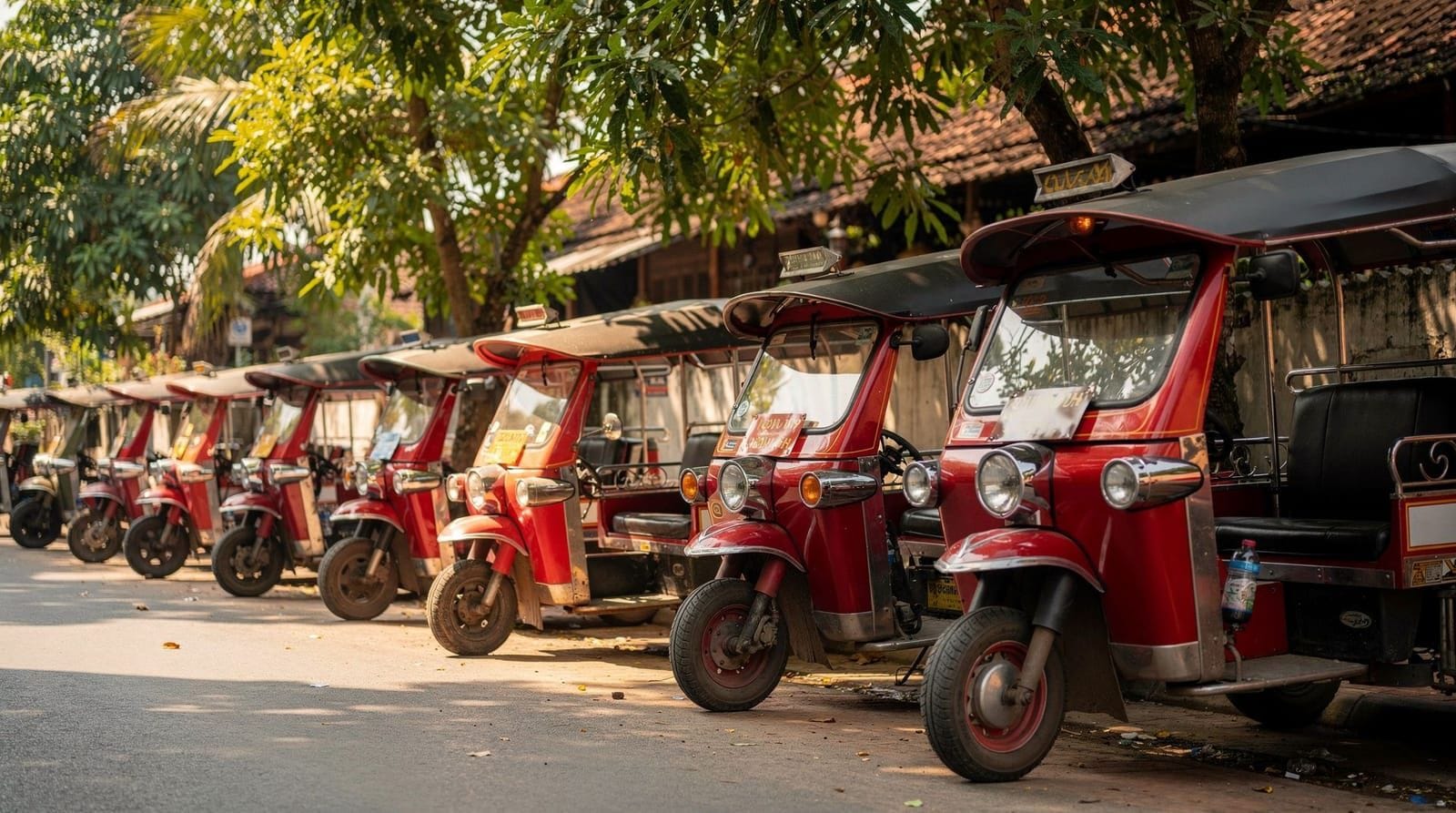
Length of stay is a budget decision as much as a sightseeing one. Beyond the Angkor Pass tiers ($37/$62/$72), each extra day adds accommodation, food, and — if you’re using a driver — a daily tuk-tuk or car rate. A private tuk-tuk driver for the temple circuit runs roughly $15-20/day within the park, more for farther outliers.
Across a full trip, the difference between a 3-day and 7-day stay is typically $150-300 per person depending on accommodation tier, not counting the extra $10 for the 7-day pass. The travel budget guide breaks this down by backpacker, mid-range and luxury profile, and the budget calculator lets you model your own length before booking flights.
One counterintuitive point: a longer stay often lowers the daily cost, because fixed costs (flights, e-visa, one-off airport transfer) amortize over more days, and hotels frequently offer better nightly rates for stays of 4+ nights. A tightly packed 2-day trip can end up costing more per day than a relaxed 5-day one.
What guides and repeat visitors actually recommend
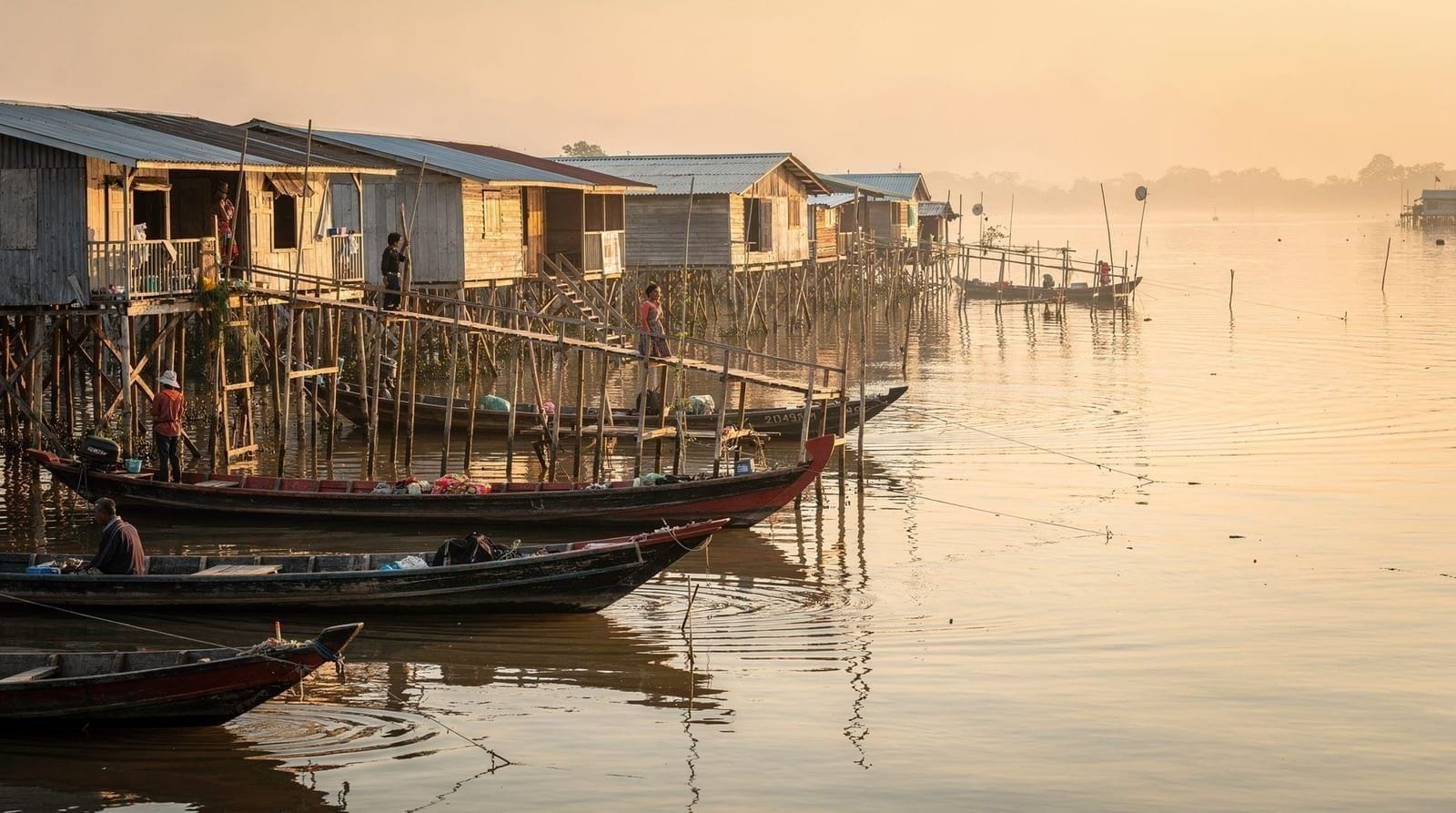
Ask a licensed local guide or a repeat visitor and the answer converges surprisingly consistently: 3 days for the temples, plus however many extra days you want for everything else Siem Reap and its surroundings offer — Tonlé Sap villages, Battambang, Khmer cooking classes, the Old Market night scene, and simply not being rushed.
The temples themselves rarely need more than 3 focused days even for enthusiasts; what extends a trip from 3 to 5 or 7 days is almost always the non-temple Cambodia experience, not diminishing returns on additional temple time. If you’re deciding between “3 days of just temples” and “5 days that include a floating village, a cooking class and Battambang,” most repeat visitors say the latter produces a noticeably better trip for a relatively small time cost.
Frequently asked questions about How many days do you need in Siem Reap?
Is one day enough for Angkor Wat?
One day is enough to see Angkor Wat itself, Angkor Thom/Bayon and Ta Prohm — the three most famous sites, often called the small circuit's core. It is not enough to also add an outlier temple, a floating village or a slower pace. If Angkor Wat is your only reason to visit Cambodia, one full day with an early start works; it will feel rushed by evening.Is 3 days too long for Siem Reap?
No — three days is the most commonly recommended length and matches the 3-day Angkor Pass exactly ($62, usable across any 3 days within 10 days). It allows the small circuit, the grand circuit, and one outlier temple or Tonlé Sap village, plus a slower town day for food and markets. Fewer than 3 days means skipping either the grand circuit or the outliers.What can you skip if you only have 2 days?
With 2 days, most visitors do the small circuit (Angkor Wat, Bayon, Ta Prohm) on day one and either the grand circuit or Banteay Srei plus a floating village on day two. What gets skipped: Koh Ker, Beng Mealea, Phnom Kulen and any Battambang add-on — these all need a dedicated day given the 1-2 hour drive each way.Is 7 days too many for Siem Reap?
Not if you use the extra days well. Seven days matches the 7-day Angkor Pass ($72, usable within 30 days) and comfortably fits Battambang or Phnom Penh as an overnight add-on, a full Tonlé Sap day, both outlier temple clusters, and rest days between early starts. For most first-time visitors without a Cambodia-wide itinerary, 5 days captures nearly everything without the extra pass cost.How many days for Angkor temples specifically, versus the town?
Budget roughly 2-3 full days inside the Angkor park itself (small circuit, grand circuit, one outlier) and 1-2 days for the town and Tonlé Sap combined — markets, food, a cooking class, a floating village. A 3-day trip usually spends 2 days in the park and 1 day on everything else.Should I do Siem Reap as a day trip from Bangkok or Phnom Penh?
It's possible but not recommended. A single day trip only allows a rushed small-circuit visit and eats most of the day in transit — the Poipet border crossing from Bangkok alone can take 4-6 hours door to door, and Phnom Penh to Siem Reap is 5-6 hours by bus. At minimum, plan 2 overnights.
Top experiences
Bookable activities with verified prices and instant confirmation on GetYourGuide.


More tours on Viator
Top-rated experiences with verified reviews, bookable on Viator (a Tripadvisor company).