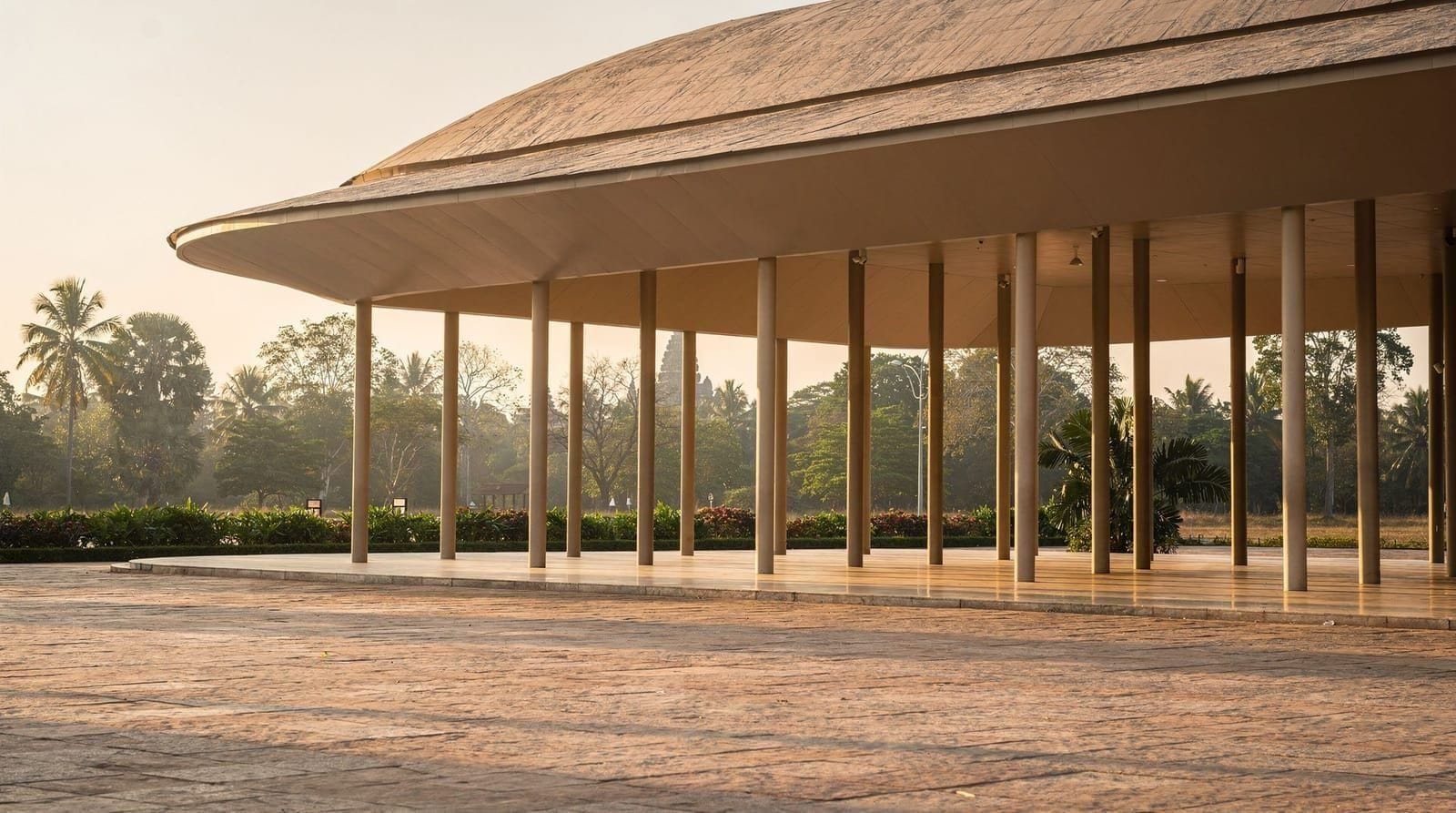
Kompong Phluk
Kompong Phluk's stilted flooded-forest village: distance from Siem Reap, best season, ticket, and how it compares to Chong Kneas.
Siem Reap: Kompong Phluk Floating Village Half-Day Tour
Quick facts
- Distance from Old Market
- ~30 km, 45 min-1 hour by tuk-tuk/boat combination
- Ticket needed
- Boat tour fee (not the Angkor Pass) — no separate government entry ticket
- Best season
- Mid-August to end of January, when water levels are high
- Time to allow
- Half a day including travel and boat time
- Village population
- A few thousand, living in stilted and flooded-forest homes
The village most people should actually visit
Of the three Tonlé Sap villages accessible from Siem Reap, Kompong Phluk is the one we recommend to most first-time visitors — it strikes a genuinely better balance between accessibility and authenticity than Chong Kneas, the closest and most touristy option, without the extra distance and time commitment of Kompong Khleang, the largest and least-visited. See our full comparison of all three villages if you’re still deciding.
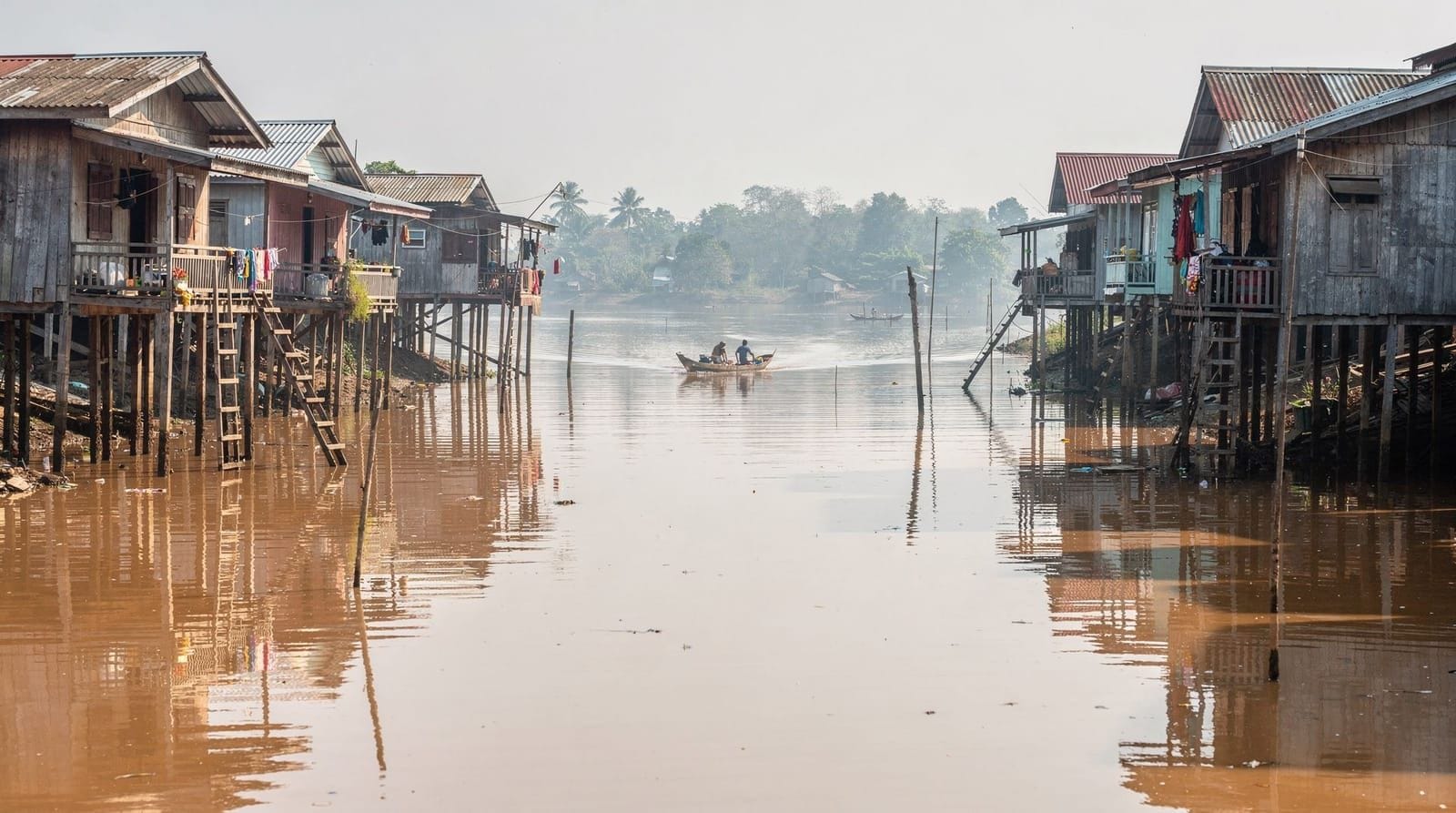
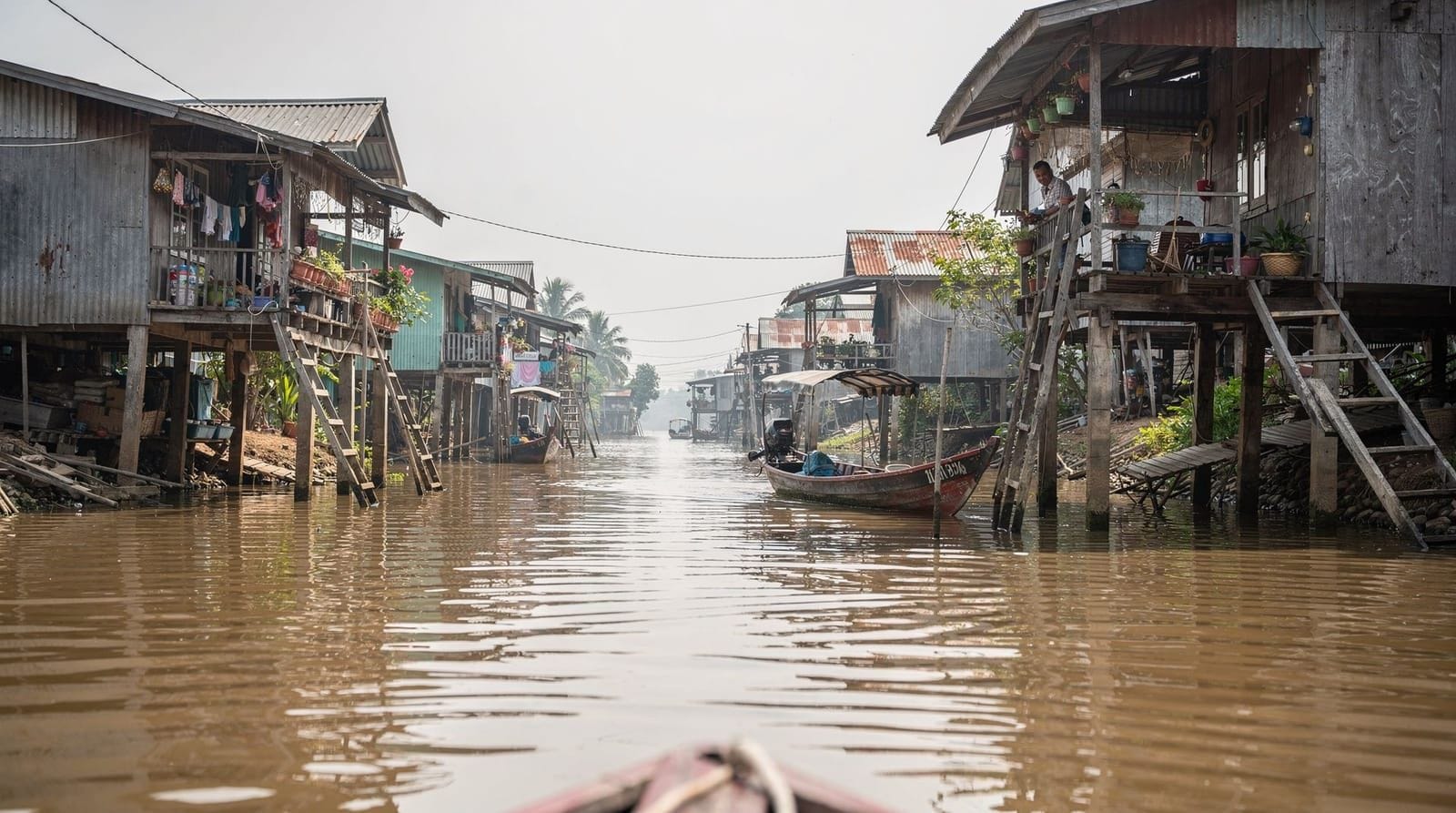
Kompong Phluk sits at the edge of the flooded forest zone where the Tonlé Sap’s seasonal floodwaters back up into the surrounding land — its houses are built on stilts roughly 6-10 metres tall, dramatic enough on their own even before you factor in the boat ride through a genuinely flooded forest to reach the village core in wet season.
Responsible visiting — a few honest notes
Floating-village tourism across the Tonlé Sap region carries a mixed reputation, largely driven by Chong Kneas’ specific problems (documented in detail on that destination’s page).
Kompong Phluk has a meaningfully better track record, but a few general practices apply here too: avoid purchasing items pushed on you mid-boat-trip at inflated prices without first understanding what you’re buying and why (rice or school-supply “donations” framed with urgency deserve the same skepticism here as anywhere else in the region, even though Kompong Phluk doesn’t have Chong Kneas’ specific documented pattern); tip your boat driver and guide directly and fairly rather than assuming a tour price fully compensates them, since local operator margins on budget tours can be thin; and be mindful that you’re moving through a residential area, not a theme park — a friendly, low-key demeanor generally goes further than an intrusive one, particularly around photography of individual residents going about daily life.
Distance and how to get there
About 30 km from central Siem Reap, the trip is a combination of a 45-minute to 1-hour tuk-tuk or car ride to the boat launch, followed by a boat journey into the village itself — the exact boat time varies by season and water level, generally 20-40 minutes each way. Most visitors book this as a package (transport plus boat) rather than arranging the two legs separately.
Ticket and cost
There’s no separate government entry ticket comparable to the Angkor Pass — you pay for the boat tour itself, typically arranged through a driver, guesthouse, or a booked tour. Prices for independently-arranged boats can vary significantly and are a common spot for overcharging or unclear per-person versus per-boat pricing; booking through a known operator avoids this ambiguity. See our Tonlé Sap floating villages guide for a fuller cost breakdown.
Best season, and why it matters more here than at the temples
Kompong Phluk is genuinely season-dependent in a way most temple destinations aren’t: it’s best visited roughly mid-August to the end of January, when Tonlé Sap water levels are high enough for the flooded-forest boat approach to feel dramatic and for the stilted houses to visually make sense (i.e., actually surrounded by water, not standing on dry, cracked mud). Outside this window, particularly in the driest months (March-May), water levels drop significantly and the visual impact is considerably reduced. If your trip dates are flexible and this destination matters to you, plan around the water level, not just the general dry-season weather logic that applies to temple-touring.
What the visit actually involves
A typical visit is a boat ride through the flooded forest (mangrove-like trees rising directly out of the water) into the stilted village, past homes, a school, and a temple all built on stilts, sometimes with an option to transfer to a smaller boat for a closer look at the flooded forest itself. Some tours include a stop at a floating or stilted restaurant for a drink or meal with a view over the lake. It’s a genuinely photogenic, low-key few hours — quieter and less commercially aggressive than Chong Kneas’ reputation would suggest for the region generally.
How the flooded forest actually works
The stilted architecture at Kompong Phluk isn’t a design choice made purely for tourist spectacle — it’s a direct, practical response to the Tonlé Sap’s extraordinary seasonal flood pattern, one of the most dramatic freshwater hydrological cycles anywhere in the world. Each monsoon season, the Mekong River’s flow reverses the Tonlé Sap river’s direction, pushing water back upstream into the lake and expanding its surface area roughly five-fold, from around 2,500 sq km in the dry season to over 12,000 sq km at flood peak.
Villages like Kompong Phluk sit in the transitional flooded-forest zone at the lake’s edge, where this seasonal expansion means the difference between dry ground and several metres of standing water over the course of the year — hence houses built on stilts tall enough to clear the highest flood levels, with boats, not roads, as the practical means of getting around for much of the year.
This same flood cycle is what makes the Tonlé Sap one of the most productive freshwater fisheries in the world, historically supporting a huge share of Cambodia’s protein intake — fishing, not tourism, remains the actual economic backbone of villages like Kompong Phluk, a detail worth keeping in mind as context for what you’re actually looking at during a boat tour: a working fishing community’s homes and infrastructure, not a purpose-built attraction.
What’s overrated, what’s underrated
Nothing here is overrated in the way parts of Chong Kneas are — Kompong Phluk has a reasonably good reputation among visitors who’ve compared all three villages, and it earns it. If anything, it’s slightly underrated relative to Kompong Khleang for visitors who specifically want to see how residents actually live day to day, since Kompong Khleang is larger and has more of a genuine working-town feel — worth considering if that’s your priority and you have the extra travel time.
What day-to-day life looks like in the village
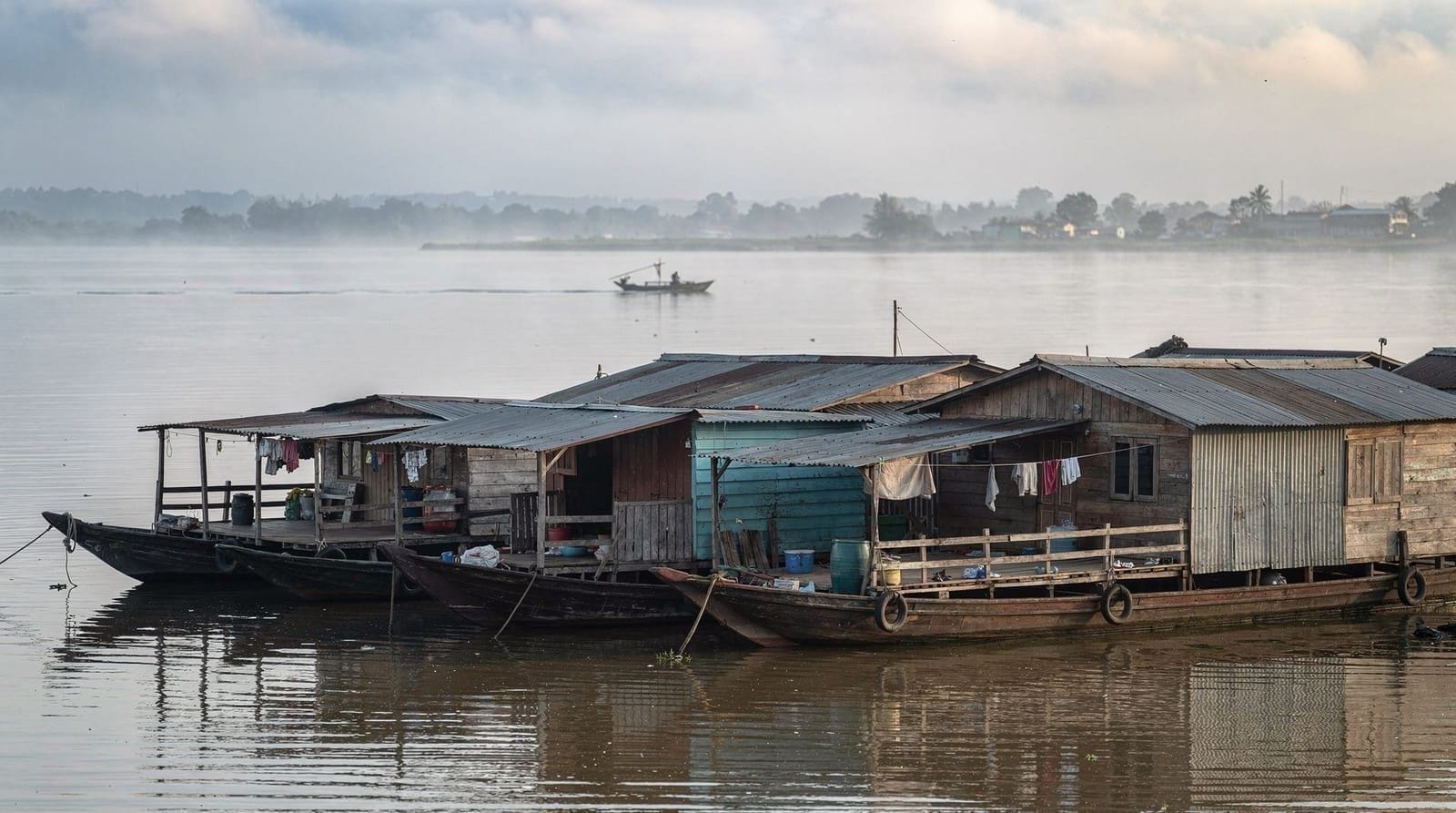
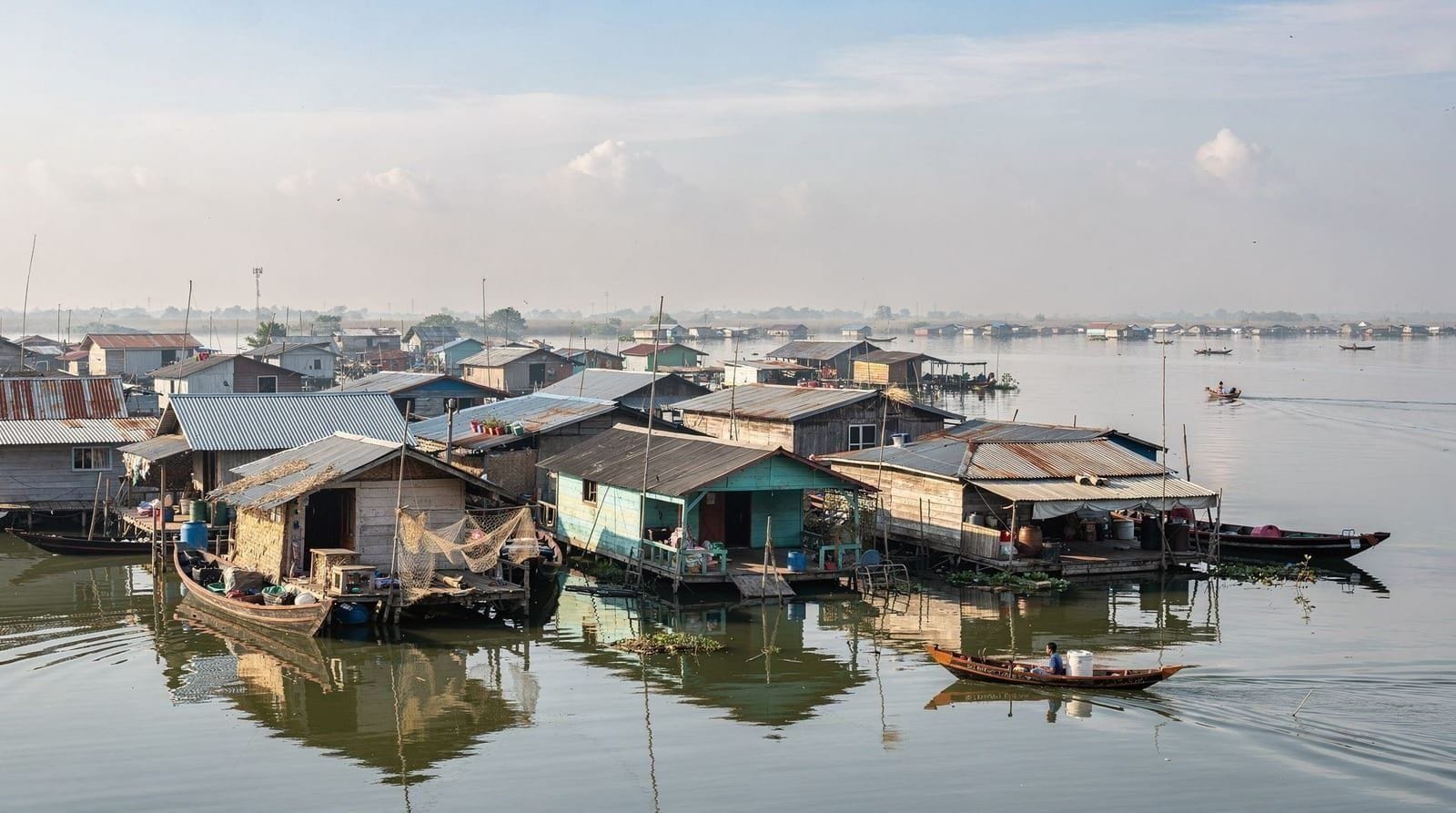
Beyond the boat ride itself, Kompong Phluk gives a genuine window into how a Tonlé Sap flood-adapted community functions: a school built on stilts where local children study, a temple serving the community’s religious needs, small shops and homes with boats moored directly outside front doors during high-water months, and, depending on the season, visible fishing activity — nets, traps, and small boats heading out or returning with the day’s catch.
Some tours offer the option to visit a local family’s home for a closer, guided conversation about daily life, water management and the practical realities of a flood-cycle economy — worth seeking out specifically if you want more than a boat-window view, though be mindful that this is someone’s actual home, not a staged demonstration, and behave accordingly (ask before photographing people directly, tip appropriately if a donation or purchase is suggested).
Comparing the three villages side by side
Since this decision comes up constantly for first-time visitors, here’s the direct comparison in one place: Chong Kneas (16 km, ~20 min) is closest but carries a well-documented reputation for pressure-sale tactics and inconsistent boat pricing — see our full Chong Kneas page for specifics; we don’t recommend it as a first choice. Kompong Phluk (30 km, 45 min-1 hour) is the balanced middle option — accessible without being rushed, authentic without requiring a full day’s commitment, and the choice we recommend to most visitors without a strong reason to go elsewhere.
Kompong Khleang (50 km, 1-1.5 hours) is the largest and least touristy, with a genuine working market and the strongest “real town” feel, at the cost of the longest drive. If you have to choose just one and don’t have a specific reason to prioritize either extreme (closest or least touristy), Kompong Phluk is the safest, most consistently well-reviewed default.
How to combine it with the rest of your day
Kompong Phluk pairs well with a Small Circuit temple morning followed by an afternoon boat trip, or as a half-day on its own if you’d rather not compress two very different experiences into one day. Our Kompong Phluk floating village half-day tour is the standard package covering transport and the boat trip; the Tonlé Sap Kompong Phluk floating village tour is a comparable alternative worth checking for schedule fit.
For visitors wanting just the transport and boat logistics handled without a fixed group schedule, the Kompong Phluk floating village tour with transfer and the floating village tour to Kompong Phluk both offer similar flexible options.
Photography tips specific to Kompong Phluk
The flooded forest section of the boat trip — where trees appear to rise directly out of open water, roots and lower trunks submerged — is the visit’s signature image, and it photographs best in the softer light of morning or late-afternoon departures rather than harsh midday sun. Shooting from a lower angle, closer to the waterline, tends to emphasize the height of the stilted houses more effectively than shots taken from a standing position on a larger tour boat. If your tour offers a transfer to a smaller boat for the flooded-forest section specifically, take it — the maneuverability and lower vantage point noticeably improve both the views and the photo opportunities compared to staying on a larger vessel throughout.
Accessibility
Getting into and out of the boats involves a step down from the launch dock, sometimes onto a narrow plank if water levels are low — manageable for most visitors but worth knowing in advance if mobility is a concern, since there’s no ramp-based alternative. Once seated, the boat trip itself requires no walking or climbing, making it one of the more physically accessible half-day activities on this site compared to a temple visit involving stairs. If your tour includes a transfer to a smaller boat for the flooded-forest section, that transfer is an additional step in and out of a boat mid-trip — worth asking about in advance if this is a concern.
Practical notes
Bring sun protection — there’s minimal shade on the open-water portions of the boat trip. A light rain jacket is worth packing in wet season (roughly May-October) even if the forecast looks clear, since Tonlé Sap weather can shift quickly. Life jackets should be provided on any legitimate tour boat; if they’re not offered, that’s a reasonable signal to ask before boarding. See our floating villages guide for broader safety and booking notes across all three villages.
Frequently asked questions about Kompong Phluk
Is Kompong Phluk covered by the Angkor Pass?
No — the Angkor Pass covers temple entry only. Kompong Phluk is reached via a separately booked boat tour, unrelated to the temple ticketing system.
When is the best time to visit Kompong Phluk?
Roughly mid-August to the end of January, when Tonlé Sap water levels are high enough for the flooded-forest approach and stilted houses to have their full visual impact.
How does Kompong Phluk compare to Chong Kneas?
Kompong Phluk is farther (30 km vs. Chong Kneas’ 16 km) but offers a noticeably more authentic, less commercially pressured experience — see our full comparison in the floating village guide.
How does Kompong Phluk compare to Kompong Khleang?
Kompong Khleang is larger, less touristy, and gives more of a working-town feel, but requires more travel time (roughly 50 km vs. 30 km) and a longer round-trip.
Do I need to book a boat tour in advance?
It’s advisable, especially in peak season (November-March), both to secure a reasonable price and to ensure a legitimate, safety-equipped operator rather than negotiating on the spot.
How long does a Kompong Phluk visit take?
Roughly 3-4 hours total including travel, boat time and the village visit itself — a solid half-day.
Why are Kompong Phluk’s houses built so high off the ground?
The Tonlé Sap’s seasonal flood cycle expands the lake roughly five-fold between dry and wet season, driven by the Mekong River reversing flow into the lake each monsoon. Houses are built on stilts tall enough to clear the highest annual flood levels, which can rise several metres above dry-season ground level.
Is Kompong Phluk a genuine working community, or is it built for tourism?
It’s a genuine fishing community — tourism is a secondary activity layered onto an existing village whose actual economic base is the Tonlé Sap’s fishery, one of the most productive freshwater fishing grounds in the world.
What should I wear on a Kompong Phluk boat trip?
Light, breathable clothing with sun protection (hat, sunglasses, sunscreen), closed shoes or sandals with a secure strap for getting in and out of boats, and a light rain layer during wet season. Modest dress isn’t required the way it is at temples, since there’s no religious site involved in a standard boat tour.
Can I see wildlife on a Kompong Phluk boat trip?
The flooded forest supports birdlife and some other wildlife, though Kompong Phluk itself isn’t primarily marketed as a wildlife destination — for a more dedicated bird-focused excursion in the same general area, see our Prek Toal bird sanctuary guide.
Is Kompong Phluk accessible for visitors with mobility limitations?
Partially — boarding requires a step down from the dock, sometimes onto a narrow plank, but once seated the boat trip itself involves no walking or climbing, making it more accessible overall than a typical temple visit with stairs.
Top experiences
Bookable activities with verified prices and instant confirmation on GetYourGuide.

Siem Reap: Kompong Phluk Floating Village Half-Day Tour

Kompong Phluk: Tonlé Sap Floating Village Tour

Siem Reap: Kompong Phluk Floating Village Half-Day Special Tour

Kampong Phluk: Floating Village Tour with Transfer

Siem Reap: Floating Village Tour, Kompong Phluk
More tours on Viator
Top-rated experiences with verified reviews, bookable on Viator (a Tripadvisor company).