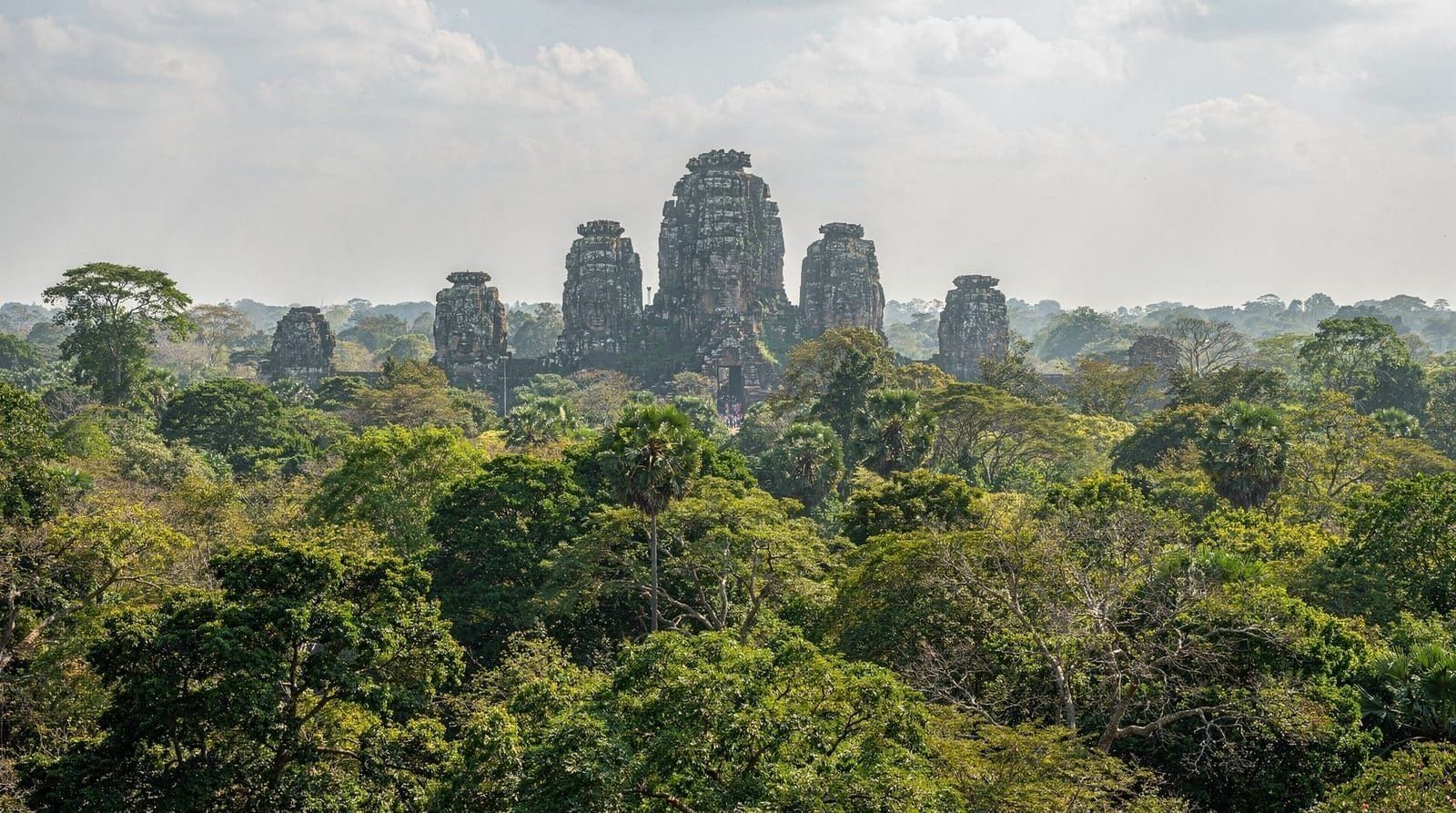
Best outlier temples near Siem Reap: which ones earn their separate ticket
Siem Reap: Koh Ker and Beng Mealea Temples Tour
Which outlier temple near Siem Reap is most worth the extra ticket?
Beng Mealea, for most visitors — a $10 ticket, roughly 1.5 hours from town, and a genuinely unrestored jungle-temple experience closer to what Ta Prohm looked like decades ago. Koh Ker ($15) rewards visitors specifically drawn to its unique pyramid form. Phnom Kulen ($20) suits travelers who want a waterfall and mountain break from temple-only days.
The honest framing for this guide
Every SERP result about Siem Reap’s outlier temples tends to describe all three in uniformly glowing terms, which isn’t useful when you’re deciding how to spend a limited number of vacation days and a finite budget. This guide takes a different approach: each site gets weighed against its actual ticket cost, drive time, and what you’d otherwise be doing with that day — a genuinely comparative, not purely descriptive, look at whether Koh Ker, Phnom Kulen or Beng Mealea earns a place in your specific itinerary.
Why these three sit outside the Angkor Pass
Koh Ker, Phnom Kulen and Beng Mealea all lie beyond the boundary of the Angkor Archaeological Park proper, and all three are managed by authorities other than Angkor Enterprise — which is exactly why none of them are covered by any tier of the Angkor Pass and each requires its own separate ticket, bought at its own gate. That administrative split is also, practically speaking, why each site has developed a genuinely distinct character from the core Angkor temples: less restoration investment, fewer amenities, and — for two of the three — meaningfully smaller crowds.
| Site | Ticket price | Distance / drive time | Character |
|---|---|---|---|
| Beng Mealea | $10 | ~65 km / ~1.5 hr | Unrestored jungle temple, rubble and roots |
| Koh Ker | $15 | ~120 km / ~2 hr | 7-tier sandstone pyramid, 10th-century capital |
| Phnom Kulen | $20 | ~50 km / ~1.5 hr | Waterfall, sacred mountain, reclining Buddha |
What “not covered by the Angkor Pass” means for your budget planning
It’s worth restating plainly since it trips up so many trip budgets: none of the money you spend on any Angkor Pass tier — $37, $62 or $72 — reduces the cost of visiting any of these three sites by even a dollar. A visitor holding the most expensive 7-day Angkor Pass pays exactly the same $10, $15 or $20 at Beng Mealea, Koh Ker or Phnom Kulen’s gates as a visitor holding no Angkor Pass at all (though in practice you’d need at least a 1-day pass for the core park too). Budget these as entirely separate line items from your Angkor Pass decision, not as an add-on somehow softened by having already spent more on the pass itself.
Beng Mealea: the honest jungle-temple experience
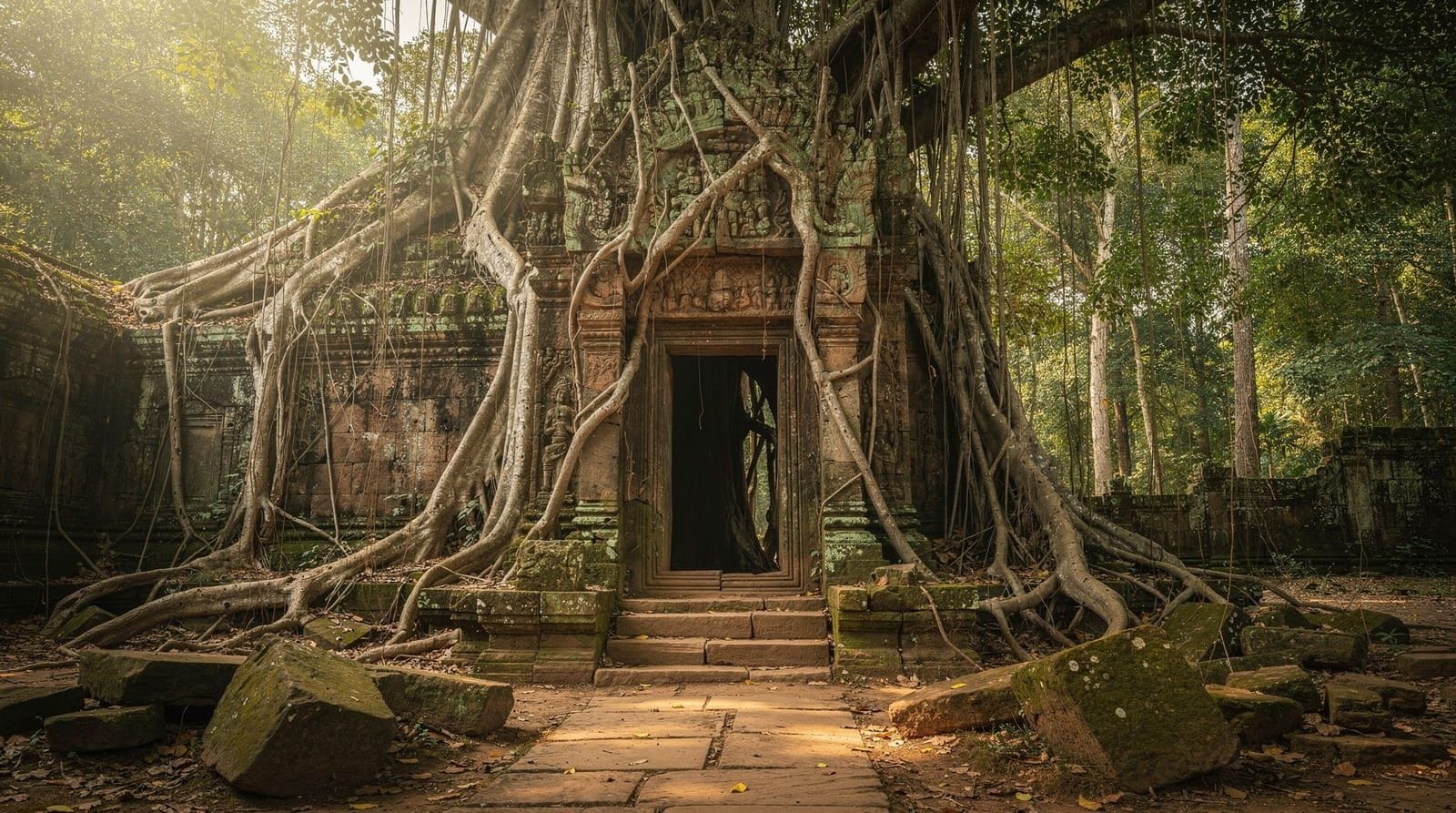
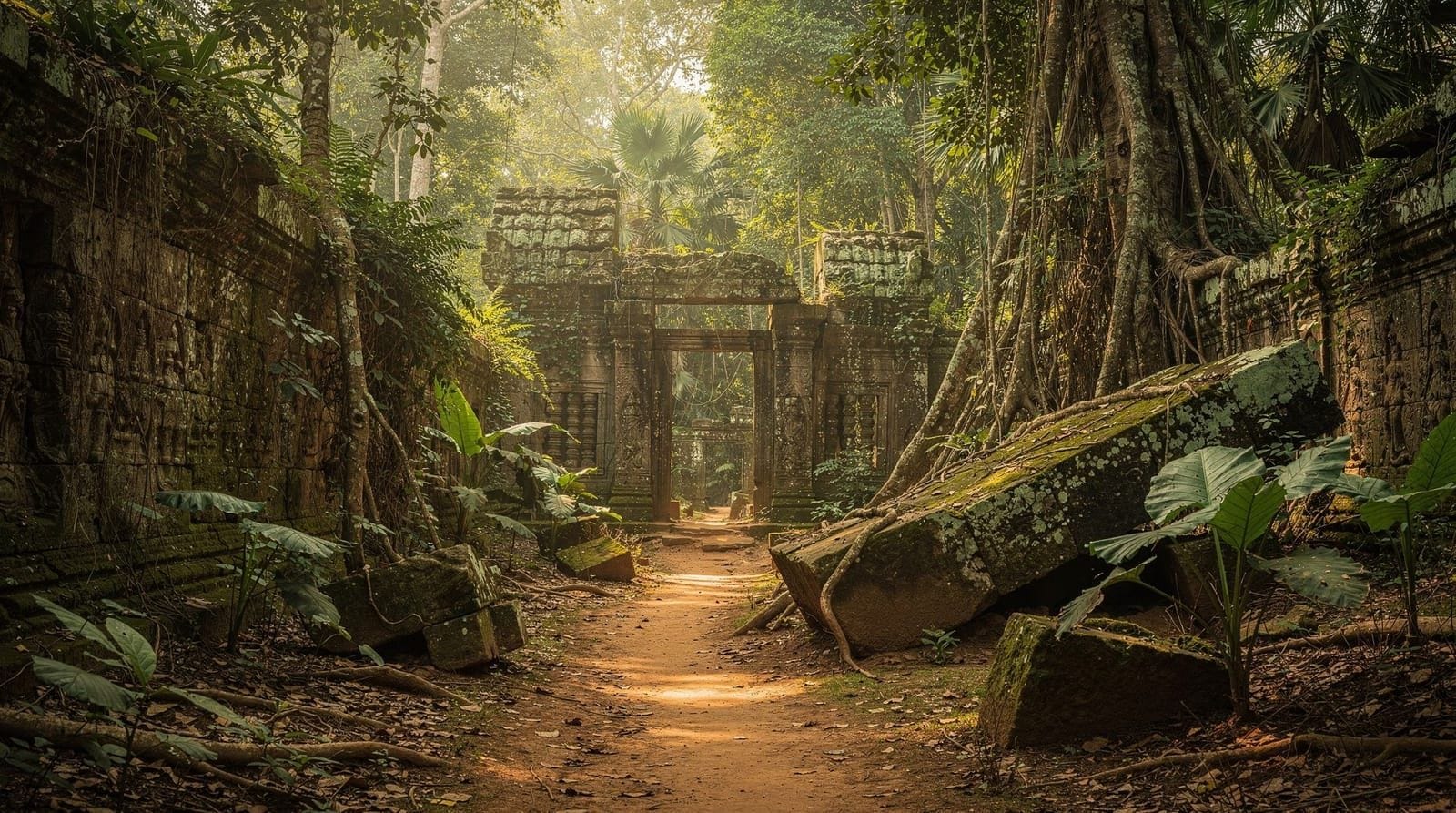
Beng Mealea is what Ta Prohm might look like without decades of stabilization work: an 11th-century temple largely left as it was found, with collapsed galleries, scattered sandstone blocks, and vegetation growing through structures that have had minimal restoration intervention. Wooden walkways guide visitors through the site without requiring serious scrambling, though parts still feel genuinely unmanaged compared to anywhere inside the main park.
At $10 and roughly 1.5 hours from town, it’s the easiest outlier temple to justify — closer than Koh Ker, cheaper than either alternative, and delivering a distinctly different atmosphere from the polished, crowd-managed experience at Ta Prohm. A combined Koh Ker and Beng Mealea day tour is the most efficient way to see it, since both sit roughly along the same route out of Siem Reap.
Koh Ker: the pyramid, if you have the time
Koh Ker was briefly the capital of the Khmer Empire in the 10th century, and its centerpiece — Prasat Thom, a 7-tier sandstone pyramid you can climb via a wooden staircase to a genuine panoramic view — is a temple form found nowhere else in the Angkor region. That distinctiveness is Koh Ker’s real selling point: nothing else near Siem Reap looks like it.
The honest tradeoff is the drive: roughly 2 hours each way, meaning a full day dedicated largely to transit for what is, once you’re there, primarily one standout structure plus a scattering of secondary ruins spread across a wider, less walkable site than the core park. Visitors with a specific pull toward the pyramid form, or who value low crowds highly, find it worth the trip; visitors without that specific interest often feel the time cost outweighs the payoff relative to Beng Mealea’s easier reach.
Phnom Kulen: waterfall and pilgrimage, not more temple-hopping
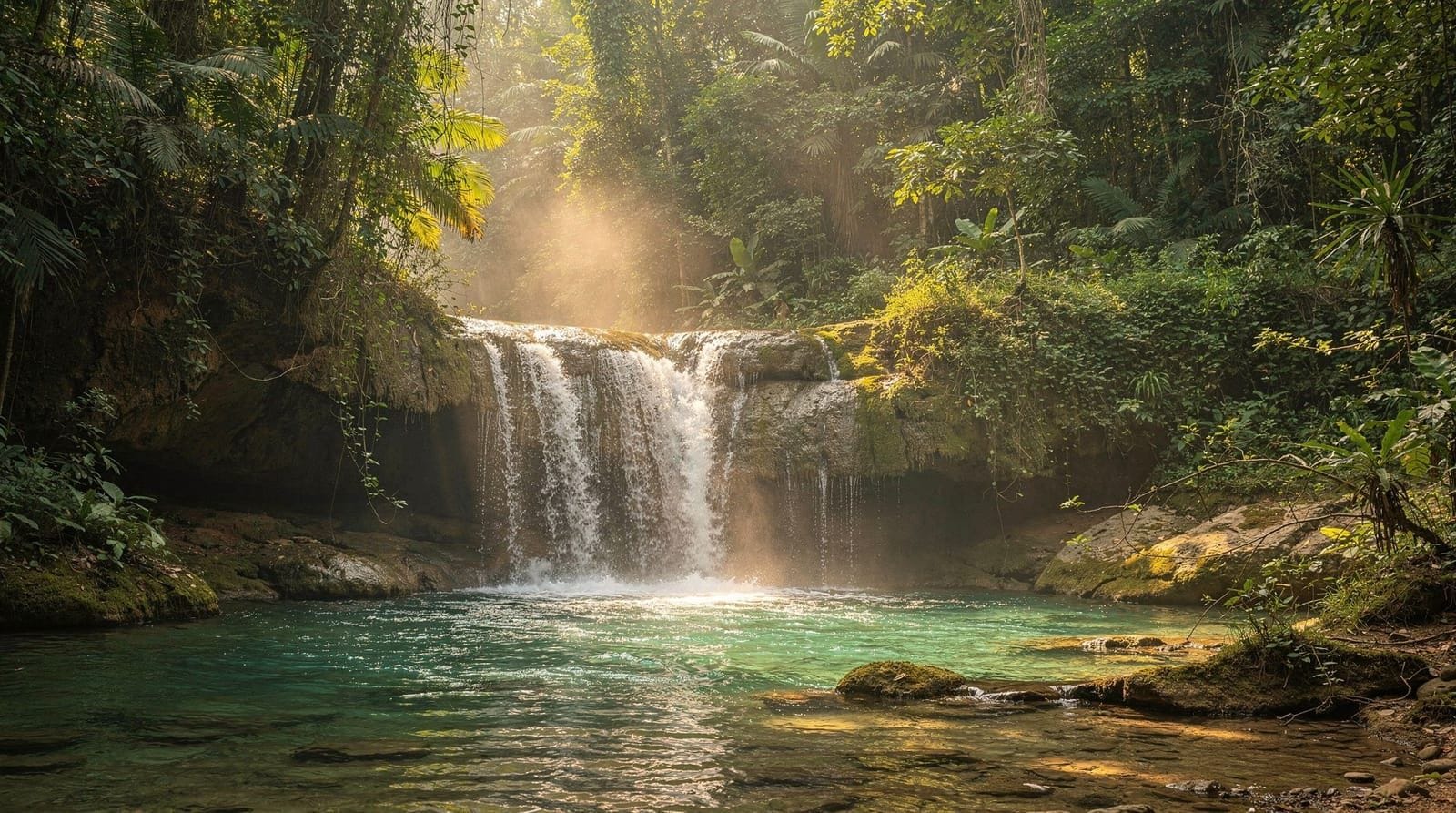
Phnom Kulen is a different kind of day entirely — a sacred mountain considered the birthplace of the Khmer Empire in 802 AD, home to a waterfall, the carved riverbed known as the River of a Thousand Lingas, and a large reclining Buddha carved into a boulder near the summit. At $20, it’s the priciest of the three separate tickets, and at roughly 50 km / 1.5 hours it’s a comparable drive to Beng Mealea.
Phnom Kulen suits travelers who want a break from temple-only days — swimming at the base of the waterfall (during the wetter months when water flow is strongest) and the mountain scenery give the day a different rhythm than another circuit of stone galleries. It’s a poor fit for combining with a full Angkor Wat or Grand Circuit day given the drive and the time needed on-site; treat it as its own dedicated day. See our full Phnom Kulen waterfall guide for seasonal water-level details and what to expect at each stop.
How to decide among the three
If you can only justify one extra ticket, Beng Mealea offers the best ratio of atmosphere to cost and drive time for most visitors. If a distinctive, unusual temple form specifically interests you and you have a full day to spare, Koh Ker delivers something genuinely unlike anything else you’ll see near Siem Reap. If you want a change of pace from temples altogether — water, a mountain, a different kind of walking day — Phnom Kulen is the right choice, understanding it’s less an archaeological stop and more a nature-and-pilgrimage outing.
For a combined route covering both Koh Ker and Beng Mealea in a single long day, see our Beng Mealea and Koh Ker day trip itinerary, which lays out realistic timing for both stops without over-scheduling the drive.
Road conditions and what to expect getting there
The drives to Koh Ker and Phnom Kulen involve stretches of less-maintained road than the paved, well-kept routes inside the main Angkor park — expect some bumpiness, particularly in the final approach to Koh Ker, and a dustier ride during dry season or a muddier one during rainy season on unpaved sections. Beng Mealea’s access road, by contrast, is fully paved for most of the route and generally the most comfortable drive of the three. None of these routes require a 4x4 or special vehicle under normal conditions, but a private car or a well-maintained tuk-tuk is a more comfortable choice than a budget option for the longer Koh Ker trip specifically, given the total time in transit.
Combining outliers with other stops
Koh Ker and Beng Mealea sit roughly along the same eastward route out of Siem Reap, which is why they’re so commonly combined into a single long day trip — see our Koh Ker and Beng Mealea day trip guide for a realistic hour-by-hour plan. Phnom Kulen sits on a different route entirely, to the north, and doesn’t combine naturally with either — keep it as its own dedicated day. None of the three combine well with a full Angkor Small or Grand Circuit day, given the additional hours of driving on top of an already full circuit day.
Are these outliers worth it compared to simply doing a second Angkor Pass day?
For visitors deciding between an extra day inside the main park (using a multi-day Angkor Pass they’ve already bought) versus a dedicated outlier-temple day, the honest answer depends on what you’re optimizing for. A second day inside the park, revisiting Tier 1 or Tier 2 temples from our temples worth visiting ranking in different light or at a slower pace, generally delivers a more polished, comfortable experience.
A day spent on an outlier temple delivers something genuinely different — lower crowds, a rawer or more distinctive site, and a sense of having gone beyond the standard itinerary. Neither choice is wrong; it depends on whether you value depth on the core temples or breadth into sites most visitors skip.
Seasonal considerations for outlier temples
Beng Mealea and Koh Ker are both accessible year-round without major seasonal disruption, though rainy season (May-October) can make some unpaved sections of the Koh Ker approach road slower going. Phnom Kulen’s character shifts more dramatically by season, since its waterfall — a major part of the visit — depends directly on recent rainfall; see our dedicated Phnom Kulen waterfall guide for exactly when water flow is at its best.
Time budget on-site at each outlier
| Site | Drive time (one way) | Time on-site | Total day length |
|---|---|---|---|
| Beng Mealea | ~1.5 hrs | 45-60 min | Half day |
| Koh Ker | ~2 hrs | 60-90 min | Full day |
| Phnom Kulen | ~1.5 hrs | 2-3 hrs (waterfall + summit) | Full day |
Beng Mealea’s modest time-on-site relative to its drive is precisely why it’s so commonly paired with Koh Ker into a single long day rather than visited alone — the wooden walkways cover the site’s most interesting sections fairly quickly, and there’s less ground to cover than Koh Ker’s wider, more spread-out ruin cluster. Phnom Kulen’s longer on-site time reflects its dual nature as both temple and swimming/waterfall stop, which genuinely takes longer to do justice to than a single ruin, however large.
What this guide doesn’t cover
This page focuses on whether the ticket and drive time are worth it for each site — for the core Angkor Pass temples inside the park boundary, see Angkor temples worth visiting; for how to sequence the Small and Grand Circuits themselves, see our circuit comparison guide. Preah Vihear, a fourth outlier site near the Thailand border, is deliberately excluded from this list given the current border-conflict safety situation — it should never be treated as a routine day-trip decision alongside these three.
Frequently asked questions about Best outlier temples near Siem Reap
Is Beng Mealea better than Ta Prohm?
Different rather than strictly better — Beng Mealea is far less restored and far less crowded than Ta Prohm, giving a rawer 'lost temple' feeling, but it lacks Ta Prohm's iconic specific root-through-stone shots and is a much longer drive. Visitors who found Ta Prohm's crowds frustrating tend to prefer Beng Mealea; visitors chasing the exact famous Ta Prohm image should visit Ta Prohm itself.Is Koh Ker worth the 2-hour drive?
For visitors specifically interested in its 7-tier sandstone pyramid — a temple form found nowhere else in the Angkor region — yes. For visitors without that specific interest, the 4-hour round trip is a significant time investment relative to what's ultimately one distinctive structure plus a handful of secondary ruins.Does Phnom Kulen combine well with a temple day?
It's better treated as its own day rather than bolted onto a temple circuit — the waterfall, River of a Thousand Lingas and reclining Buddha give it a different character (nature and pilgrimage site rather than pure archaeology), and the ~50 km drive plus on-site walking make combining it with a full Angkor circuit on the same day impractical.Are any of these outlier tickets covered by the Angkor Pass?
No. Koh Ker, Phnom Kulen and Beng Mealea are all managed outside Angkor Enterprise's jurisdiction and require their own separate tickets ($15, $20 and $10 respectively) regardless of which Angkor Pass tier you're holding.Which outlier temple has the least crowds?
Koh Ker, by a clear margin — its distance (roughly 2 hours from town) filters out the majority of casual day-trippers, and even in peak season it rarely feels crowded. Beng Mealea sees moderate numbers given its closer proximity and growing reputation; Phnom Kulen can feel busy on weekends with domestic visitors combining temple and waterfall.Can I visit more than one outlier temple in a day?
Koh Ker and Beng Mealea are commonly combined into a single long day since they sit roughly along the same route, adding up to a full but manageable day trip. Phnom Kulen is better kept separate given its different focus and the time needed to properly see the waterfall and upper sites.
Top experiences
Bookable activities with verified prices and instant confirmation on GetYourGuide.


More tours on Viator
Top-rated experiences with verified reviews, bookable on Viator (a Tripadvisor company).