Angkor Grand Circuit tour review — worth it after the Small Circuit?
Siem Reap: Angkor Wat and Big Circuit Temples Private Tour
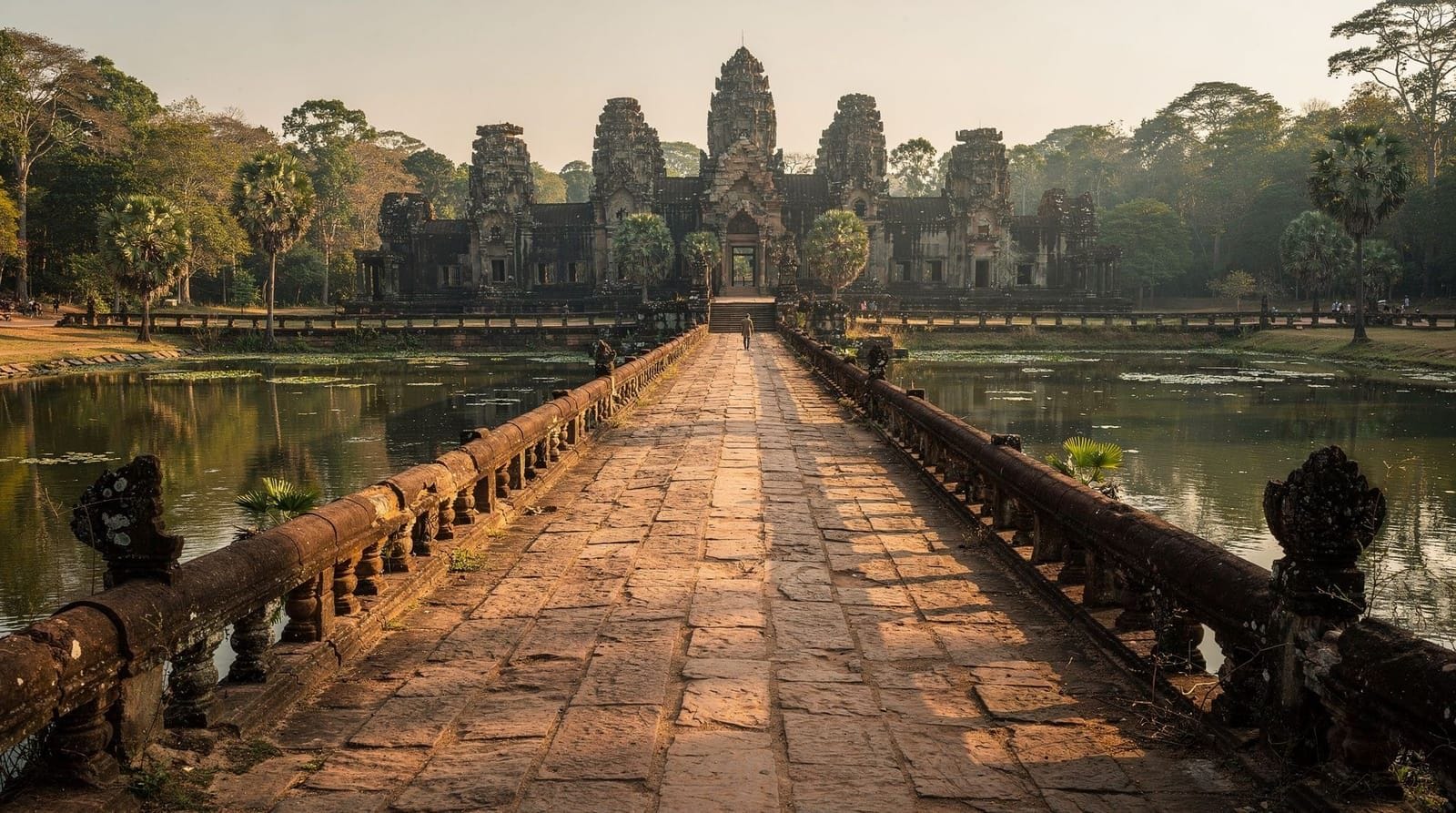
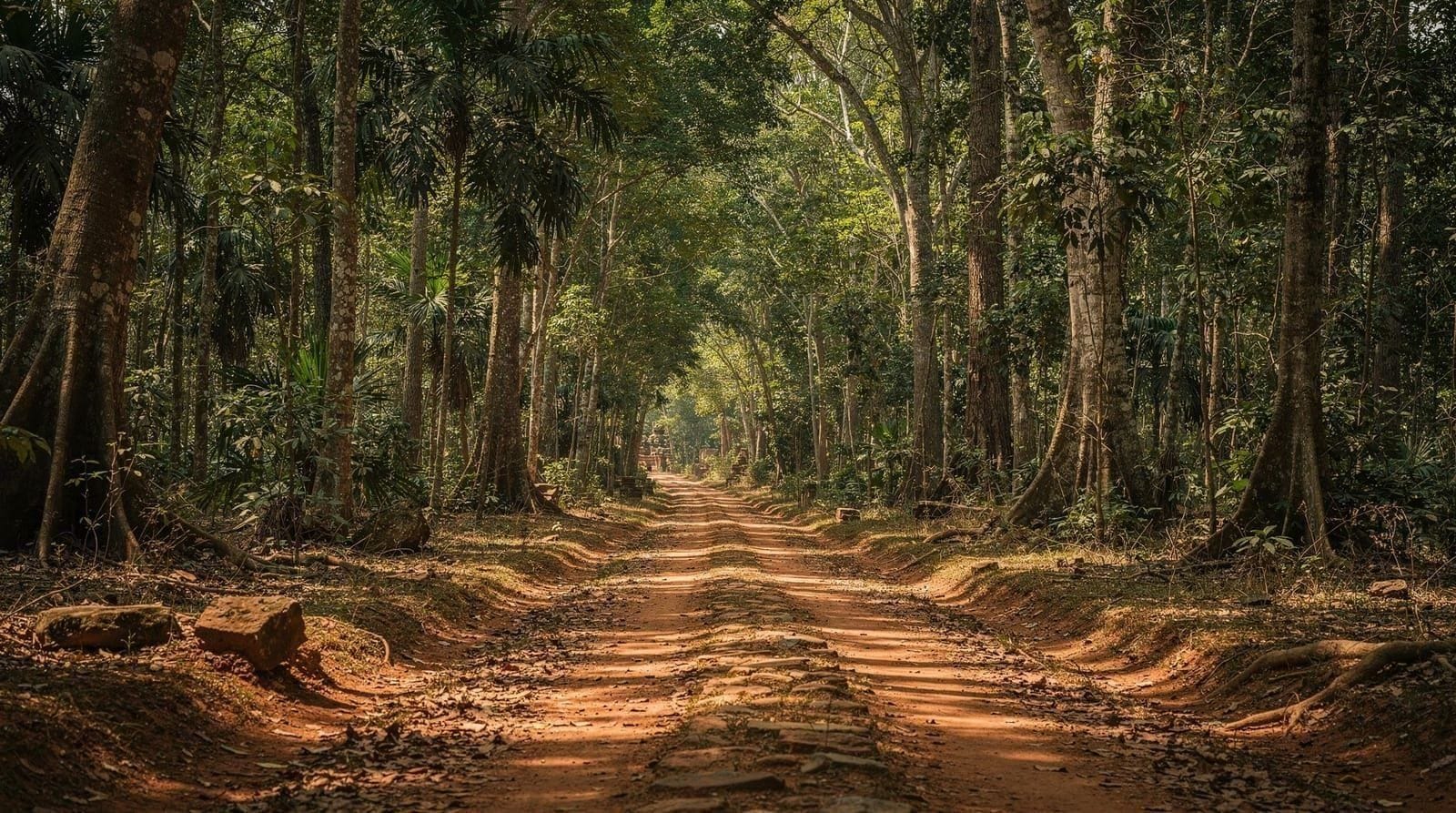
The Grand Circuit is the Angkor loop most first-time visitors never get to — a roughly 26 km counter-clockwise route through Preah Khan, Neak Pean, Ta Som, Krol Ko, East Mebon, and Pre Rup. It’s the natural second-day route after the Small Circuit’s headline sites, and it’s consistently quieter. This review covers what’s actually included in the tour listings, how it compares to the Small Circuit, and whether it earns a dedicated day.
| Route | Preah Khan → Neak Pean → Ta Som → Krol Ko → East Mebon → Pre Rup, ~26 km loop |
| Duration | Full day, 5-7 hours |
| Ticket needed | Angkor Pass (same pass as Small Circuit), bought separately |
| Best for | Second-day visitors, travelers who want fewer crowds |
What the tour covers
Book the Angkor Wat and Big Circuit private tourThe private Grand Circuit tour books a driver and vehicle for the full counter-clockwise loop, with stops at each of the six main sites. Some listings pair it with Angkor Wat itself at the start of the day for visitors combining both circuits into a longer single-day tour, which is a heavier day than most people expect — realistically 9-10 hours including driving.
What’s included: transport for the full loop, and on guided listings, commentary at each stop. What’s not included: the Angkor Pass (same rule as every Angkor product — it’s sold only by Angkor Enterprise, not through any tour platform) and meals.
Grand Circuit vs. Small Circuit: what actually changes
| Small Circuit | Grand Circuit | |
|---|---|---|
| Headline sites | Angkor Wat, Bayon, Ta Prohm | Preah Khan, Neak Pean, Pre Rup |
| Crowd level | Highest in the park | Noticeably lower |
| Distance | ~17 km loop | ~26 km loop |
| First-time priority | Yes, do this first | Second day or dedicated Angkor enthusiasts |
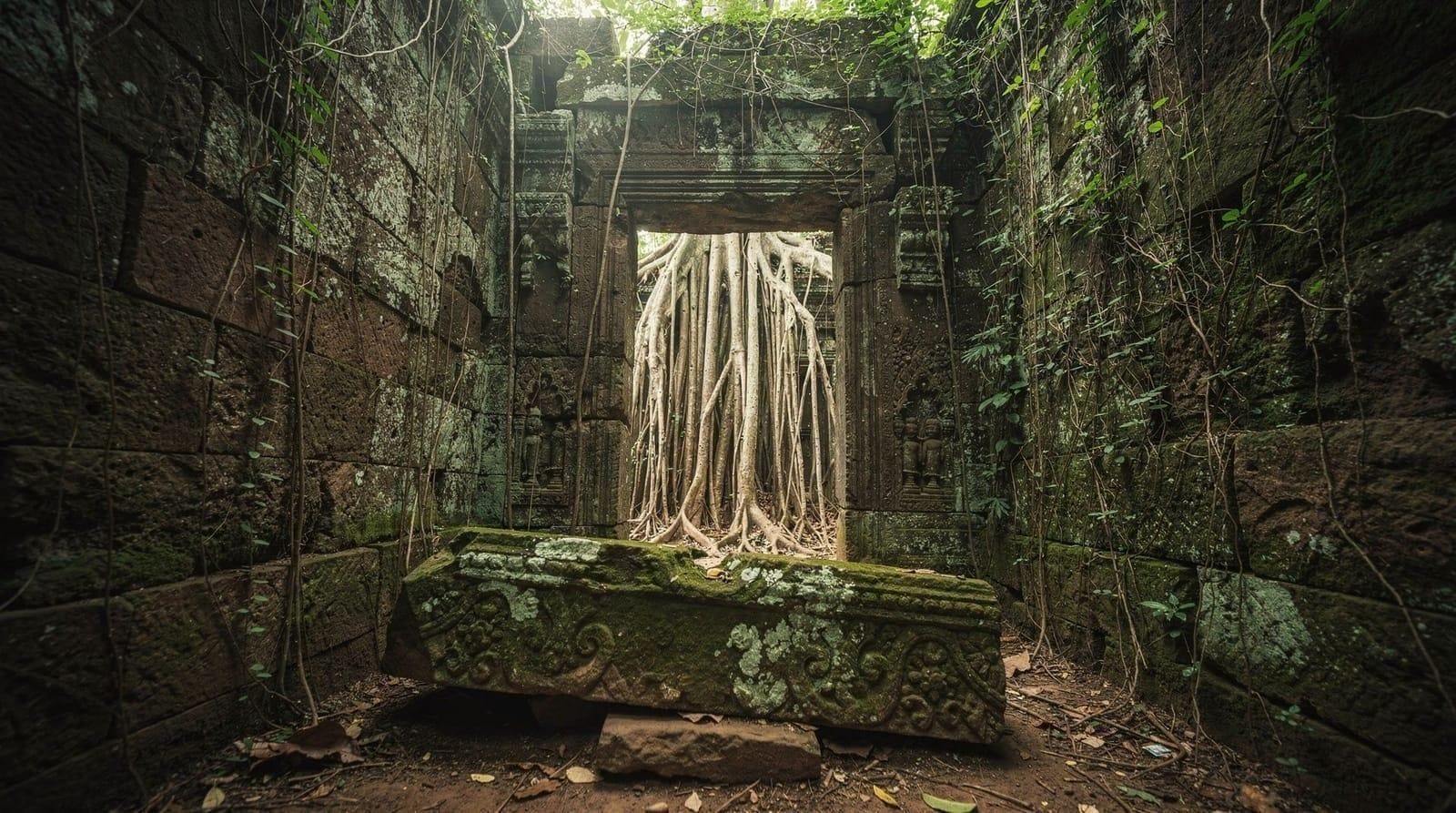
Preah Khan in particular gets compared favorably to Ta Prohm by repeat visitors — similar half-reclaimed-by-jungle atmosphere, a fraction of the foot traffic. Neak Pean’s central island temple, reached by a raised walkway over a reservoir, is unlike anything on the Small Circuit and is easy to underrate from photos alone.
Compare the small-group Grand Circuit tour with Banteay SreiCombining circuits: the 2-day tours
Several listings package the Small and Grand Circuits into a 2-day tour with sunrise on day one and the Grand Circuit (sometimes with Banteay Srei added) on day two. This makes sense logistically if your Angkor Pass is already a 3-day pass — the pass allows any 3 days within a 10-day window, not 3 consecutive days, so a 2-day tour followed by a rest day is entirely workable. The Angkor Pass guide explains the validity windows for all three pass tiers, and the 3-day itinerary shows how a Small Circuit day, a Grand Circuit day, and an outlier-temple day fit together.
Book the 2-day Angkor Wat and Grand Circuit tourSunset at Phnom Bakheng, on the way back
Book the Phnom Bakheng sunset tour with Pre Rup, Neak Pean and Preah KhanA handful of listings sequence the Grand Circuit stops earlier in the day and finish at Phnom Bakheng for sunset — the hilltop temple with panoramic views over the Angkor Wat treeline. Note that Phnom Bakheng limits the number of visitors allowed on the hill at sunset (a capacity cap introduced after years of overcrowding), so a tour that has secured a specific arrival slot has a real logistical edge over showing up independently and hoping to get in.
Why the Grand Circuit is quieter
Distance is the main driver: at 26 km versus 17 km, and further from central Siem Reap than the Small Circuit’s core sites, the Grand Circuit filters out day-trippers on a tight one-day schedule and rushed group-tour buses that only have time for the headline temples. The sites themselves are equally significant historically — Preah Khan was Jayavarman VII’s temple-monastery-university complex, comparable in scale and ambition to Angkor Thom — but they simply see less foot traffic per hour, which for many repeat visitors makes the Grand Circuit the more enjoyable day of the two.
Realistic time budget
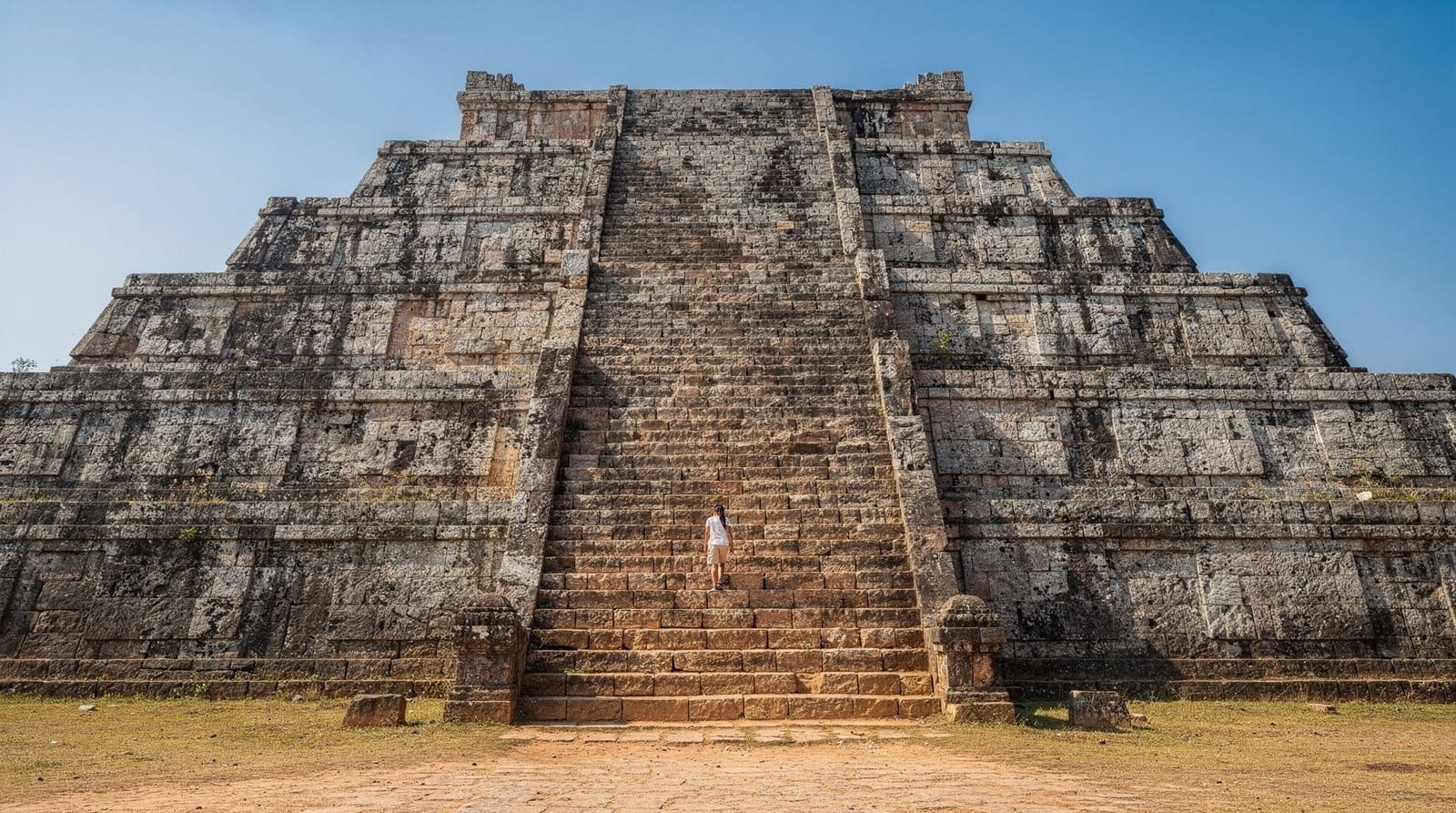
Preah Khan alone rewards 45-60 minutes given its size and the maze-like corridor layout. Neak Pean is a shorter stop (20-30 minutes, limited mostly by the walkway) but worth the detour. Pre Rup, a temple-mountain with a steep climb, takes 30-45 minutes including the ascent. Add driving between stops and the full loop runs 5-7 hours — lighter than a full Small Circuit day, which leaves room for a relaxed lunch back in town or a spa stop; see the spas and massage guide if you’re planning a lower-key second day.
Practical notes
The Grand Circuit has less shade than the Small Circuit at several stops (particularly Pre Rup’s exposed climb), so sun protection matters more here. Water and snack stalls are sparser between temples than on the busier Small Circuit route — carry more than you think you’ll need. Dress code (shoulders and knees covered) applies at every temple, though enforcement is generally less strict than at Angkor Wat itself given the lower visitor volume.
Group size and what it changes
Private Grand Circuit tours book a vehicle exclusively for one travel party, allowing a flexible pace at each stop — genuinely useful here given how much more Preah Khan and Neak Pean reward unhurried wandering compared to the more crowd-managed Small Circuit. Shared small-group tours (typically 6-15 people) cost less per person but move on a fixed schedule set by the group, which matters less on the Grand Circuit than the Small Circuit since crowd-driven time pressure is lower here — there’s less competition for a clear sightline at any of the six main stops.
Questions to ask before booking
Confirm whether the listing includes a guide or is transport-only, since Preah Khan’s history (Jayavarman VII’s temple-monastery-university complex) benefits meaningfully from narration that a transport-only booking won’t provide. Ask whether Phnom Bakheng sunset is included and, if so, whether the operator has a confirmed visitor-cap slot rather than a “we’ll try” arrangement given the hilltop’s capacity limits. Check whether the Angkor Pass purchase stop is built into the day’s timing or left to you to arrange separately beforehand.
Cancellation and weather
Standard cancellation windows (commonly 24 hours before the tour date for a full refund) apply across most Grand Circuit listings. Rain doesn’t typically cancel a Grand Circuit tour outright given the stone temples handle weather reasonably well, but a specific policy for rescheduling a rained-out Phnom Bakheng sunset add-on is worth confirming if that’s part of your booking, since sunset viewing specifically depends on clear skies in a way the temple visits themselves don’t.
Who this doesn’t suit
Visitors with only one day at Angkor should skip this tour in favor of the Small Circuit — see Angkor in one day for why the headline sites take priority on a single-day visit. Travelers with mobility limitations should also weigh Pre Rup’s steep, uneven climb carefully; it’s a genuine physical demand at the end of what’s already a longer day than the Small Circuit, and skipping the summit climb while still visiting the temple’s base is a reasonable adjustment to discuss with your driver or guide in advance.
Compare alternative tours
Frequently asked questions about Angkor Grand Circuit tour review
What's the difference between the Small and Grand Circuit?
The Small Circuit (~17 km) covers Angkor Wat, Angkor Thom's Bayon, and Ta Prohm — the headline sites. The Grand Circuit (~26 km, driven counter-clockwise) covers Preah Khan, Neak Pean, Ta Som, Krol Ko, East Mebon, and Pre Rup — quieter, less famous, and generally less crowded.Should I do the Grand Circuit on the same day as the Small Circuit?
Not recommended for most visitors. Combining both in one day means rushing every stop; most people do the Small Circuit on day one and the Grand Circuit on day two, ideally with the Angkor Pass's 3-day option, which allows any 3 days within a 10-day window.Is the Grand Circuit worth it if I only have one day at Angkor?
If you only have one day, the Small Circuit takes priority — it covers the sites most visitors come to see. The Grand Circuit is a strong second-day choice, not a first-day one.Does the Grand Circuit tour include the Angkor Pass?
No. Like every Angkor tour sold on GetYourGuide or Viator, this covers transport and, on guided listings, a guide. The Angkor Pass is bought separately, starting at $37 for one day, and the same pass covers both circuits.Are the Grand Circuit temples less crowded than the Small Circuit ones?
Noticeably. Preah Khan and Neak Pean see a fraction of Angkor Wat or Ta Prohm's visitor volume, largely because they're further from town and skipped by rushed one-day itineraries.