Siem Reap in 7 days: the complete slow-travel Angkor itinerary
Siem Reap: 4-Day Private Angkor Wat and Koh Ker Adventure Tour
Seven days: everything, at a sustainable pace
Seven days is the full Siem Reap itinerary — every major temple circuit, all three ticketed outlier temples, both accessible floating villages, and Battambang, spread out enough that no single day is a forced march. This plan is the 5-day itinerary unchanged for Days 1–5, then two more days adding Phnom Kulen and a second, quieter floating village before Battambang closes out the trip. If you’ve read the 5-day plan already, skip ahead to Day 6.
Ticket math across the week: the 3-day Angkor Pass ($62) covers Days 1–3 inside the park; Koh Ker ($15), Beng Mealea ($10), and Phnom Kulen ($20) are each separate tickets bought at their own gates, not covered by any Angkor Pass tier. Total entrance fees across the week: $62 + $15 + $10 + $20 = $107, before any transport or guiding. See the Angkor Pass guide for the full pass-versus-outlier breakdown.
Days 1–5: the Angkor core, outliers, and the first floating village
Day 1 — Sunrise at Angkor Wat, then the Small Circuit: Angkor Thom, Bayon, Ta Prohm.
Day 2 — Banteay Srei, then the Grand Circuit: Preah Khan, Neak Pean, Ta Som, Pre Rup.
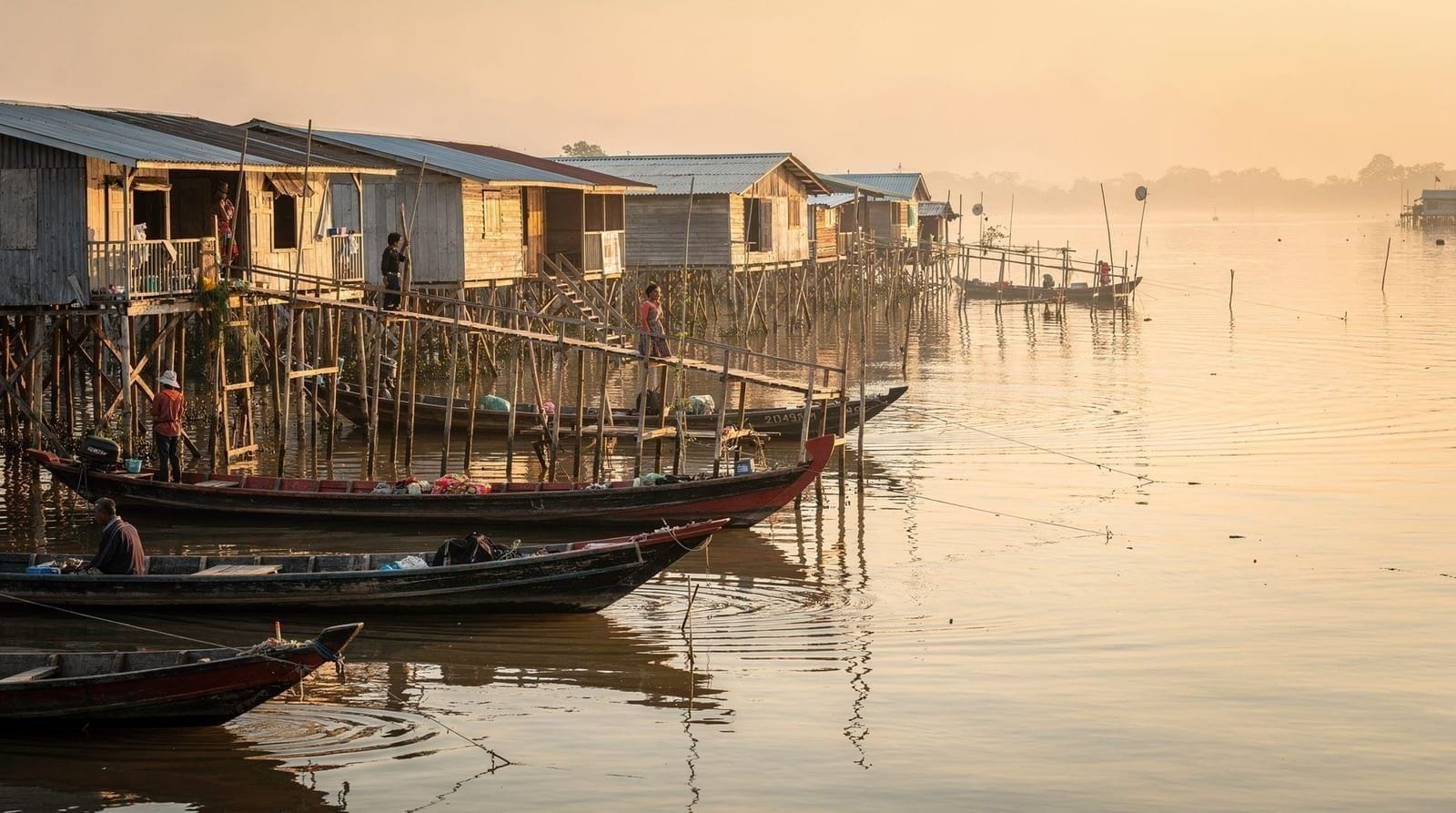
Day 3 — Kompong Phluk floating village in the morning, Old Market and Pub Street in the afternoon and evening.
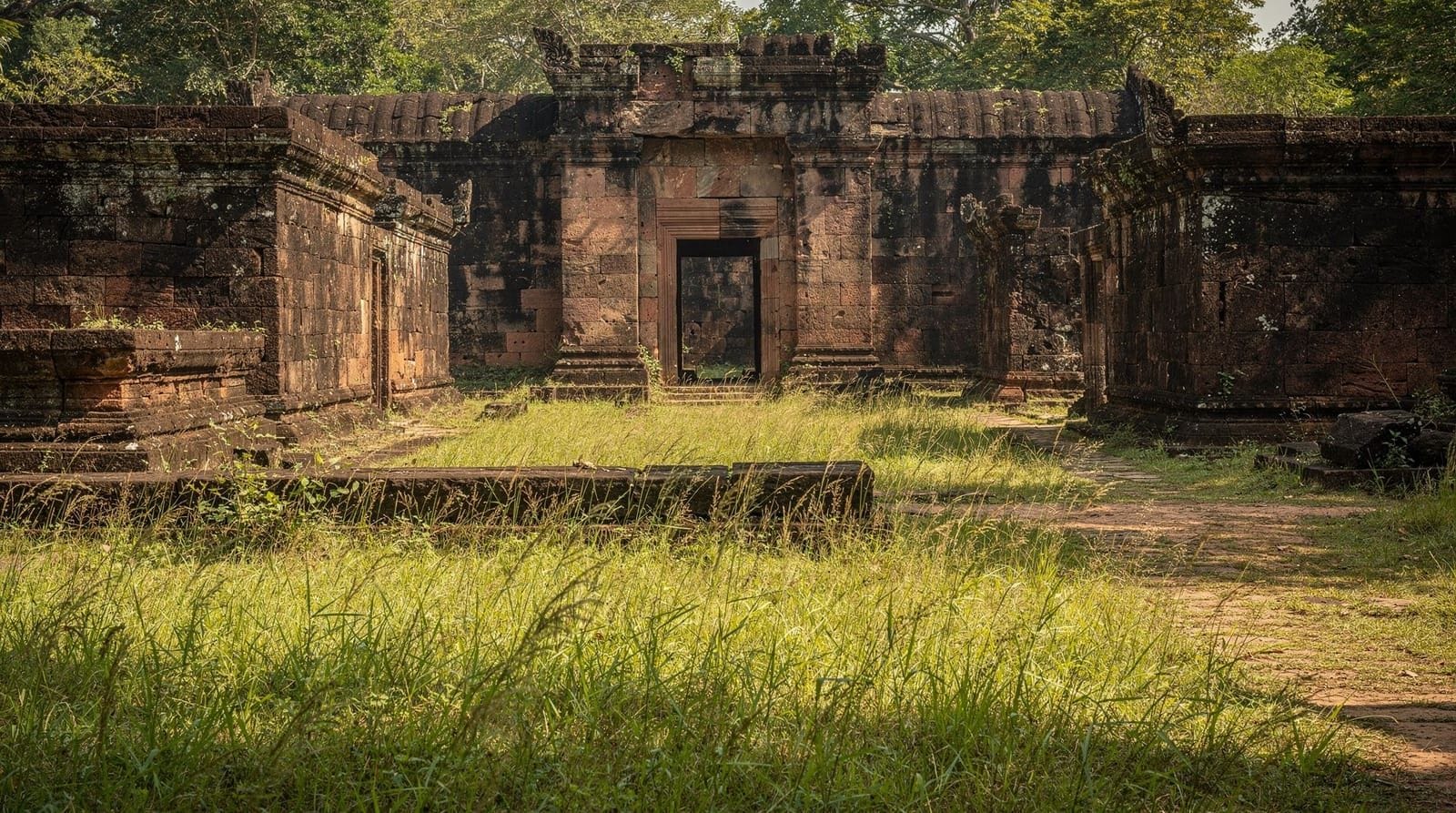
Day 4 — Koh Ker (2 hours each way, $15 ticket) combined with Beng Mealea (1.5 hours from Koh Ker, $10 ticket) on one long driving loop. In practice this means an early 7:00am departure, roughly 90-120 minutes at Koh Ker’s Prasat Thom pyramid and surrounding ruins around mid-morning, a stop at Beng Mealea’s unrestored jungle temple on the return route in the early afternoon, and a return to Siem Reap by roughly 5:00-5:30pm — a full but not overwhelming day given both stops sit roughly along the same eastward route, avoiding a genuine backtrack.
Day 5 — Battambang day trip: the Bamboo Train, Phnom Sampov and the Killing Caves, a walk through the French-colonial old town.
Full hour-by-hour detail for Days 1–4 is in the 5-day itinerary, which this plan continues from directly. Day 5’s Battambang leg is detailed below with real route timing, since a long day trip this far into a 7-day week benefits from a realistic hour-by-hour plan rather than a one-line summary.
Day 5, in detail: Battambang and back
Battambang sits roughly 2.5-3 hours by paved road from Siem Reap — a genuine full-day commitment, not a casual half-day add-on, which is exactly why it’s positioned this far into the week once the more time-pressured Angkor stops are already done.
7:00am — Early breakfast; 7:30am departure by private car or a booked day tour, given the total driving distance involved.
10:00-10:30am — Arrival in Battambang. First stop: the bamboo train (norry) — a short, distinctive ride on a bamboo platform powered by a small motor, running along a remnant of colonial-era rail line through the countryside.
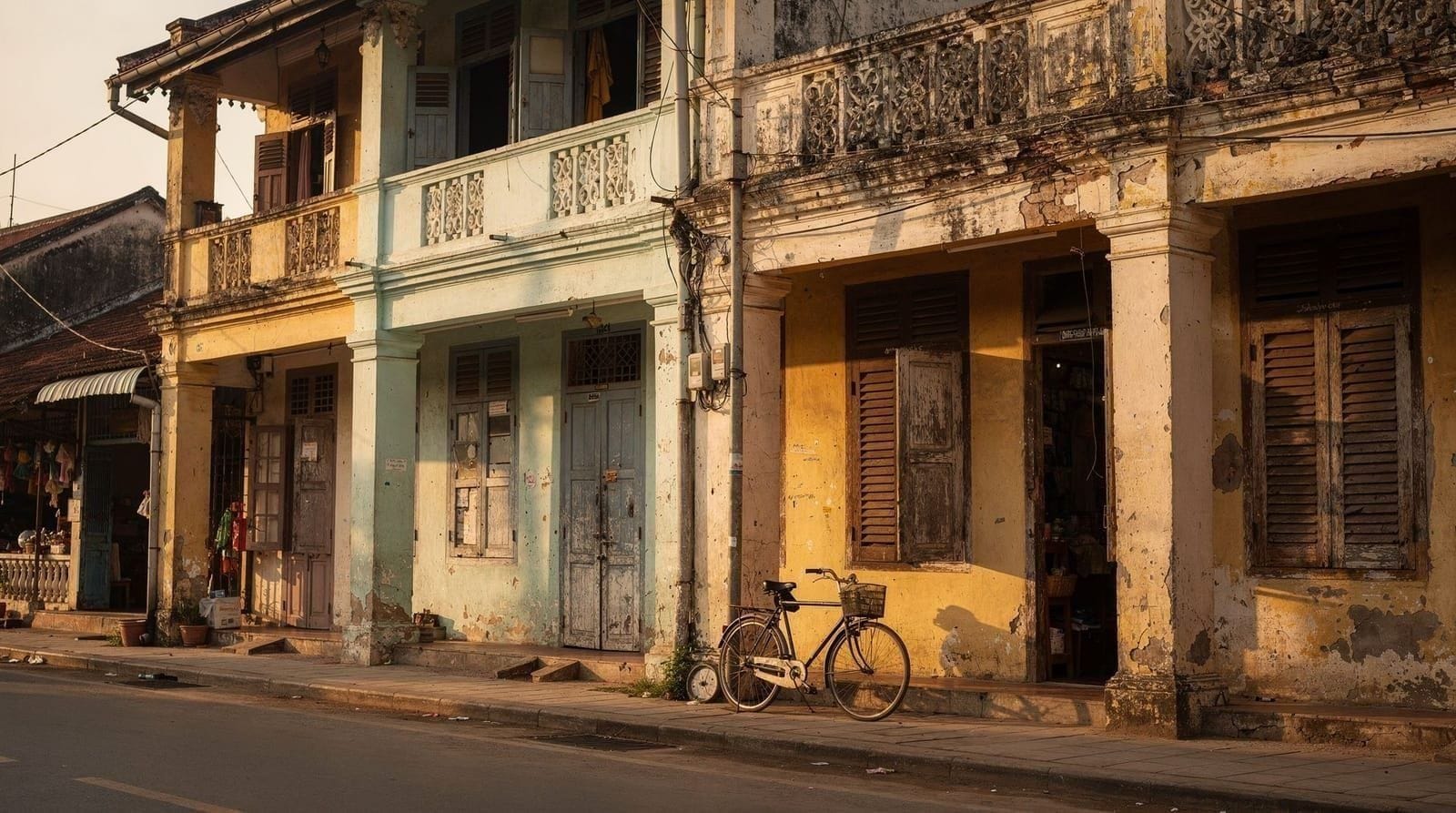
11:00am-12:30pm — A walk through Battambang’s old town, taking in the French colonial-era shophouse architecture along the riverside streets — noticeably calmer and less commercial than Siem Reap’s Old Market area.
12:30-1:30pm — Lunch in Battambang, either in the old town or en route to Phnom Sampov.
2:00-3:30pm — Phnom Sampov: the hilltop pagoda, cave systems, and the sobering Killing Caves, a Khmer Rouge-era site with a memorial to victims — a different, more somber register than the rest of the week’s sightseeing, worth approaching with that in mind.
5:30-6:00pm — Timing the visit to catch the Bat Cave’s dusk emergence at Phnom Sampov, when thousands of bats stream out of the cave mouth in a dramatic, sustained wave — a genuine highlight if the day’s schedule allows waiting for it, though it does push the return departure later into the evening.
6:15pm — Departure back toward Siem Reap; 8:45-9:15pm arrival, given the drive plus rush-hour-adjacent traffic leaving Battambang. This is a long day by any measure — roughly 14 hours door to door — which is the honest trade-off for fitting Battambang into a single day rather than an overnight stay. Travelers who’d rather not end a temple-heavy week with a 14-hour day can instead treat Battambang as an overnight stop and adjust Day 6 accordingly; see the Siem Reap to Battambang guide for the overnight-vs-day-trip trade-offs in full.
A Battambang bamboo train, Bat Cave and Killing Cave tuk-tuk tour covers this exact route with local transport and commentary included, useful for travelers who’d rather not negotiate a private car for a single long day this late in a busy week.
Why the week is sequenced this way
This itinerary deliberately front-loads the highest-value, most time-pressured stops — sunrise, the Grand Circuit, the two farthest outlier temples — into the first half of the week while energy is highest, then eases into Days 6 and 7, which involve shorter drives and more built-in flexibility. If you’re adapting this plan to a mid-week flight arrival, the two halves can largely swap: start with Battambang or a floating village if you land in the afternoon and aren’t ready for a 4:15am sunrise the next morning, then move into the Angkor core once you’re rested.
Day 6: Phnom Kulen
Phnom Kulen is the birthplace of the Khmer Empire (Jayavarman II declared it in 802 AD) and, unlike the other outliers, combines history with a genuine outdoor/nature stop — waterfalls and a riverbed carved with a thousand lingas.
7:00am — Breakfast; 7:30am departure. Phnom Kulen is roughly 50km / about 1.5 hours from town, on a mountain road that’s noticeably rougher than the flat approach to the main park.
9:00–10:00am — The River of a Thousand Lingas (Kbal Spean-adjacent riverbed carvings) and the reclining Buddha carved into the mountain’s summit rock. Separate ticket: $20, bought at Phnom Kulen’s own gate.
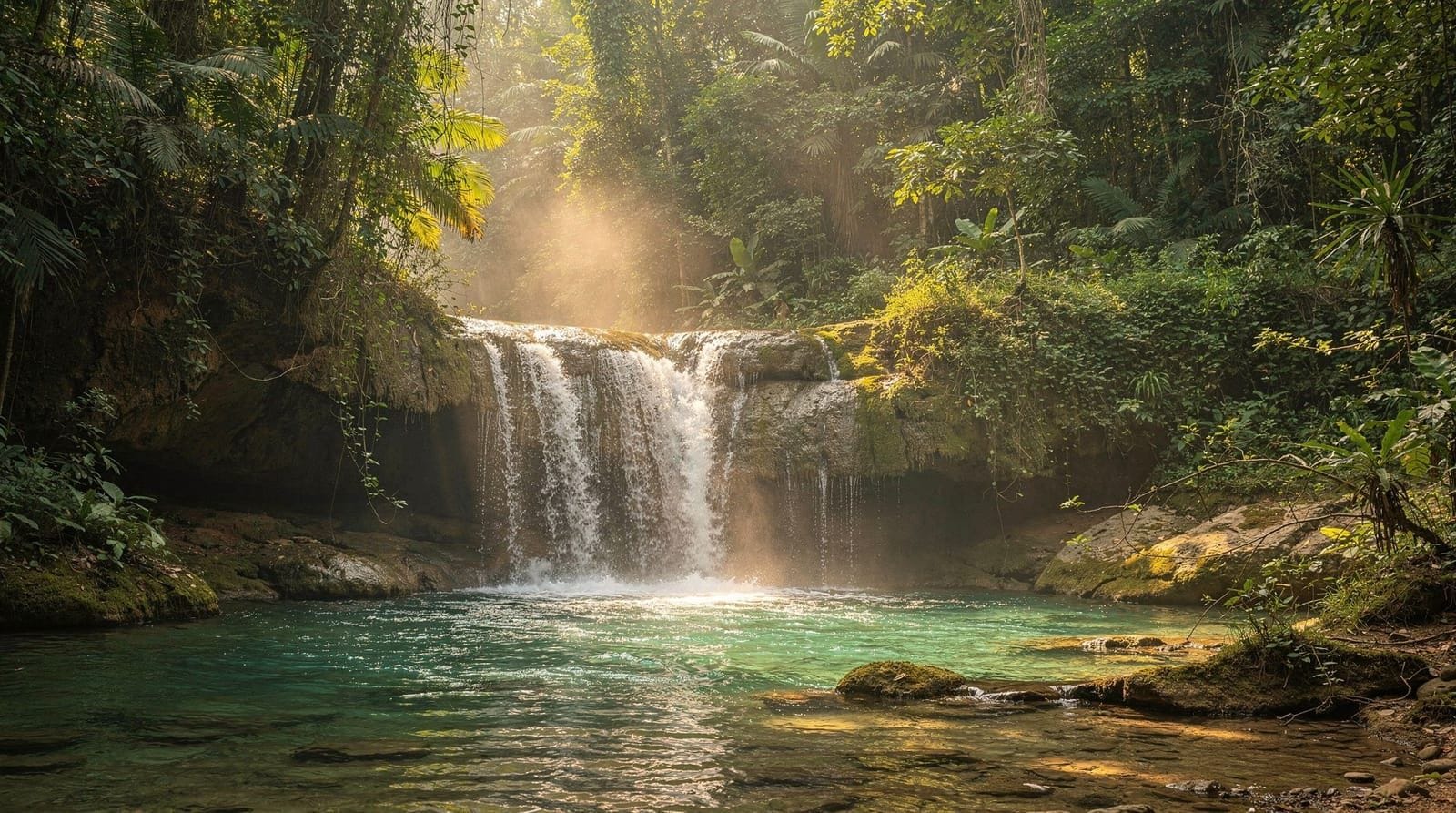
10:15–11:30am — The waterfall, Phnom Kulen’s most-photographed spot and also its most crowded by mid-morning as day-tour groups converge — arriving as close to opening as your morning allows gives noticeably clearer water and fewer people in frame.
11:45am–1:00pm — Lunch at one of the simple restaurants near the waterfall parking area.
1:00–2:30pm — Return drive to Siem Reap.
3:00pm onward — A genuinely free afternoon — the first unstructured block of the week. Use it for a spa, a Khmer cooking class, or simply resting; you’ve now completed every major temple site on this itinerary.
A Phnom Kulen waterfall and lunch tour covers this route with transport included over the rougher mountain road, which some independent drivers charge a premium for given the terrain.
Day 7: Kompong Khleang and a slow finish
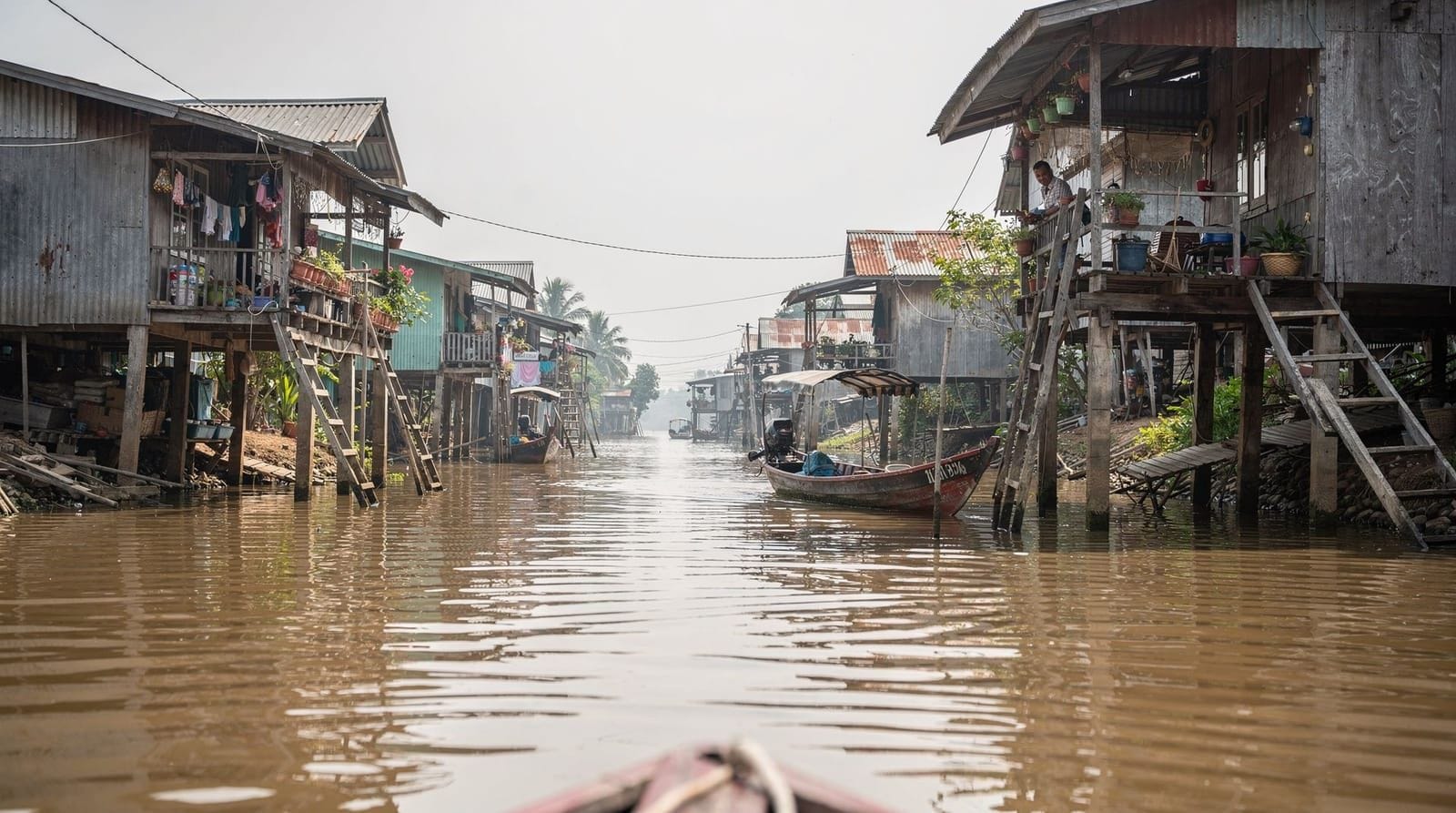
Day 7 swaps a second temple day for a second, quieter Tonlé Sap floating village — Kompong Khleang, the largest of the three (around 6,000 residents) and the least touristy, with a working local market rather than a boat-tour-built economy.
7:30am — Relaxed breakfast; 8:00am departure. Kompong Khleang is roughly 50km / 1–1.5 hours from town, best visited March–April for the clearest water access, though it’s reachable mid-August through April more broadly.
9:30–11:30am — Boat tour through Kompong Khleang’s stilted houses, well above the water on tall pilings compared to Kompong Phluk’s lower structures, plus a walk through the local market — a more “working town,” less “tourist boat loop” feel than any of the other Tonlé Sap options. Our which floating village to visit guide compares all three directly if you’re deciding which one(s) to prioritize.
12:00–1:00pm — Lunch back in town.
1:00–3:00pm — A Khmer cooking class — a good way to close out a week of sightseeing with something hands-on rather than another temple or boat ride. Several operators run afternoon sessions of 3–4 hours including a market visit.
4:00–6:00pm — Final Old Market and Pub Street browsing, souvenir shopping (see our souvenirs guide for what’s worth buying), and a last look at anything you wanted to revisit.
7:00pm onward — Farewell dinner in Siem Reap.
A Kompong Khleang full-day tour handles the boat and driver logistics for this quieter alternative to Chong Kneas and Kompong Phluk.
Road conditions across Days 4–6
Days 4 through 6 involve meaningfully rougher roads than the paved, well-maintained routes inside the main Angkor park. The final approach to Koh Ker (Day 4) has stretches of less-maintained road that can be bumpy and, in rainy season, muddier than the fully paved Beng Mealea access road on the same day. Phnom Kulen’s mountain road (Day 6) is the roughest of the week, though still passable by standard vehicles under normal conditions — no 4x4 is required. Battambang’s road (Day 5) is the most reliable of the three, paved and well-established for its full length. Budgeting a little extra time buffer on Days 4 and 6 specifically, rather than assuming Angkor-park-level road speeds, keeps the day’s schedule realistic rather than optimistic.
Budget for the seven days
| Item | Cost |
|---|---|
| Angkor Pass (3-day) | $62 |
| Koh Ker + Beng Mealea + Phnom Kulen tickets | $45 |
| Tuk-tuk/car, 7 days (mixed distances) | $150–200 |
| Meals, 7 days | $100–140 |
| Kompong Phluk + Kompong Khleang boat tours | $45–50 |
| Bamboo train (Battambang) | $5 |
| Cooking class | $25–35 |
| Total (without optional extras) | ~$430–540 |
Frequently asked questions about a 7-day Siem Reap itinerary
Is seven days excessive for Siem Reap?
For most travelers, yes — three to five days covers the majority of what’s genuinely worth seeing. Seven days suits photographers wanting varied light across multiple visits, slow travelers who dislike back-to-back sightseeing days, or anyone combining outlier temples, both floating villages, and Battambang without rushing any of them.
Should I buy a 7-day Angkor Pass instead of the 3-day for this itinerary?
Not for this specific plan — it only uses the Angkor Enterprise-managed park (Angkor Wat, Angkor Thom, the circuits, Banteay Srei) on 3 of the 7 days, so the 3-day pass ($62) is the right tier. A 7-day pass ($72) only makes sense if you’re planning to re-enter the core park on additional days, for example for a second sunrise or a rainy-day reshoot.
Which floating village should I skip if I only have time for one?
If forced to choose, Kompong Phluk (Day 3) offers the best balance of accessibility and authenticity for a first visit. Kompong Khleang (Day 7) rewards a second, more curious visit but is farther and involves more driving for a broadly similar experience.
Is Phnom Kulen worth the rough road and separate $20 ticket?
For most visitors, yes — it’s the only outlier temple with a genuine outdoor/nature component (waterfalls, a swimmable pool below the falls) alongside the history, which makes the drive feel less purely transactional than Koh Ker or Beng Mealea alone.
Can I rest on Day 6 or 7 instead of doing more sightseeing?
Absolutely — this itinerary is deliberately built at a pace that allows swapping either day for genuine rest without disrupting the rest of the week, since both fall after the core Angkor Pass days are already used.
What’s the best order if my flight lands mid-week rather than on a Day 1?
Keep sunrise (Day 1 here) for whichever morning you’re best rested, and push Battambang or the floating villages to your first day or two if you land in the afternoon — those don’t require an early wake-up and work well as a gentler start.
Do I need a car with air conditioning for a week of this much driving?
Strongly recommended, yes. A standard open tuk-tuk is fine for in-town Angkor circuits, but the longer hauls to Koh Ker, Phnom Kulen, and Battambang expose you to hours of direct sun and road dust; most travelers doing the full 7-day version switch to an air-conditioned car for at least Days 4-6, even if a tuk-tuk covered Days 1-3 comfortably.
Is there a risk of temple fatigue by Day 6 or 7?
It’s a real phenomenon on a week-long trip, which is part of why this itinerary deliberately varies the activity type — Kompong Khleang’s boat ride and market, and a cooking class, rather than a sixth or seventh temple. If you notice fatigue setting in earlier than Day 6, don’t hesitate to swap a planned stop for genuine rest; nothing in this plan is so tightly sequenced that a missed or shortened day breaks the rest of the week.
Top experiences
Bookable activities with verified prices and instant confirmation on GetYourGuide.


More tours on Viator
Top-rated experiences with verified reviews, bookable on Viator (a Tripadvisor company).