Siem Reap in 1 day: the realistic Angkor itinerary
Siem Reap: Sunrise at Angkor Wat Temple
Duration: 3 hours
Why one day forces hard choices
If you’re deciding between this compressed plan and adding a second day, it’s worth pausing on the trade-off: a second day (see the 2-day itinerary) unlocks the Grand Circuit and Banteay Srei’s finer carving for a relatively modest extra cost — the 3-day Angkor Pass is only $25 more than the 1-day tier and covers both days. If your schedule genuinely can’t stretch, this one-day plan is a legitimate, well-sequenced way to see Angkor’s three most important sites without feeling like you rushed any of them individually — the compression comes from cutting temples entirely, not from rushing the ones you keep.
One day in Siem Reap buys you the three temples nearly everyone comes for — Angkor Wat, Bayon, and Ta Prohm — and almost nothing else. It doesn’t buy Banteay Srei, the Grand Circuit, a floating village, or a relaxed pace. If you’re on a cruise stopover, an overnight layover before a Bangkok or Hanoi flight, or simply short on time, this plan sequences the day to front-load the highlights and cuts everything that doesn’t fit into 12–13 hours starting before dawn. Anyone with two days or more should use the 2-day itinerary instead — it covers the same ground without the sprint.
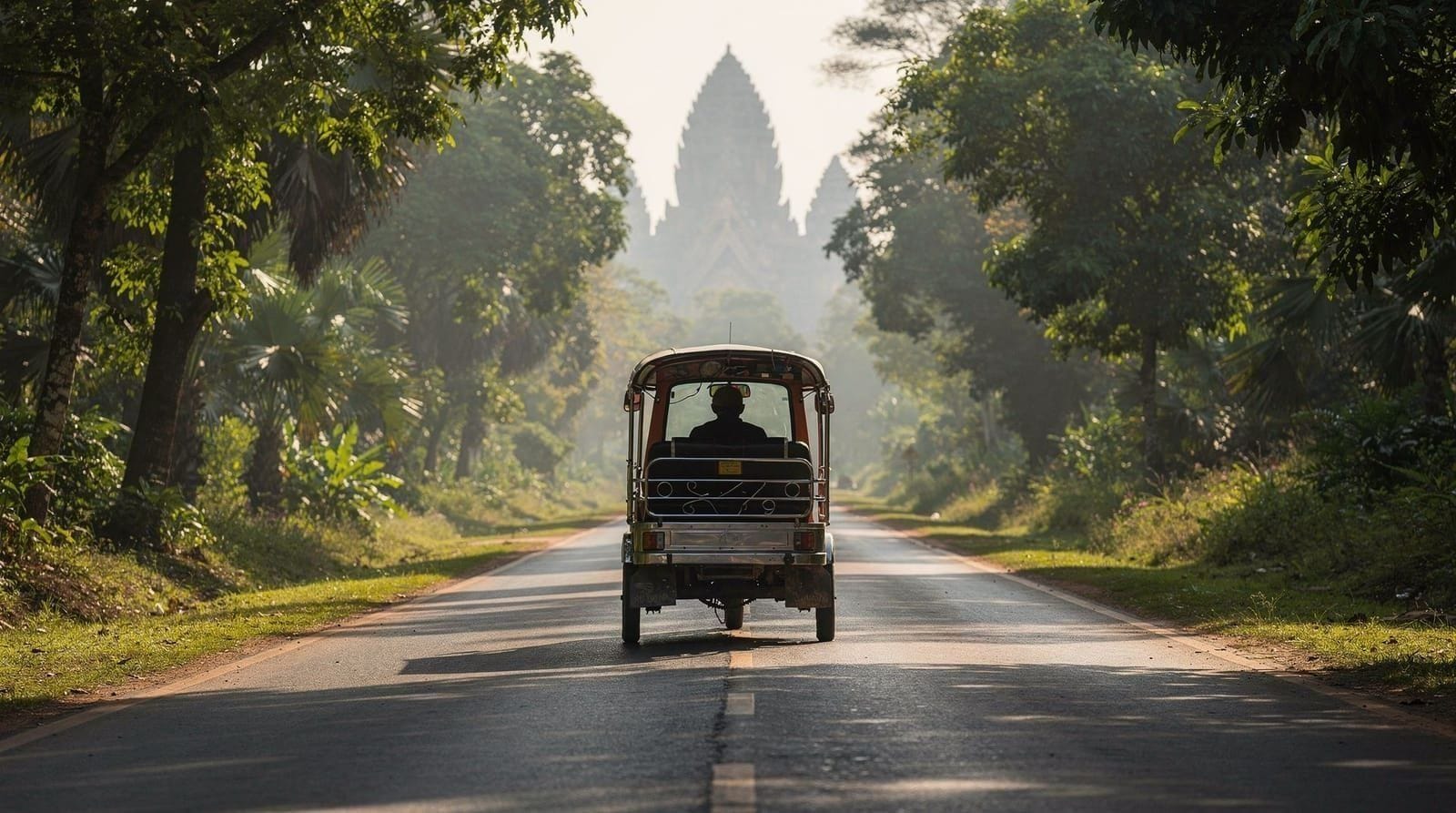
You’ll need the 1-day Angkor Pass ($37, sold only at the Angkor Enterprise ticket counter or angkorenterprise.gov.kh — see the full Angkor Pass guide) and a hired tuk-tuk or car for the day, typically $15–20 for an in-park circuit. Buy the pass the evening before if you can; the counter is open until early evening and a pass bought at 5pm the day before is valid from the moment the park opens the next morning.
Morning: sunrise and the Small Circuit essentials
4:15am — Wake-up call. This is non-negotiable if sunrise at Angkor Wat is the priority; skip to the 7am start below if you’d rather sleep in and see the temple without the crowd instead.
4:30am — Tuk-tuk pickup from your hotel. The ride to Angkor Wat’s West Gate takes 15–20 minutes from most Old Market or Wat Bo Road hotels. If you haven’t bought your Angkor Pass yet, the checkpoint scans it on the way in — buying same-morning at 4:30am is possible but adds a queue; buying the evening before removes that risk entirely.
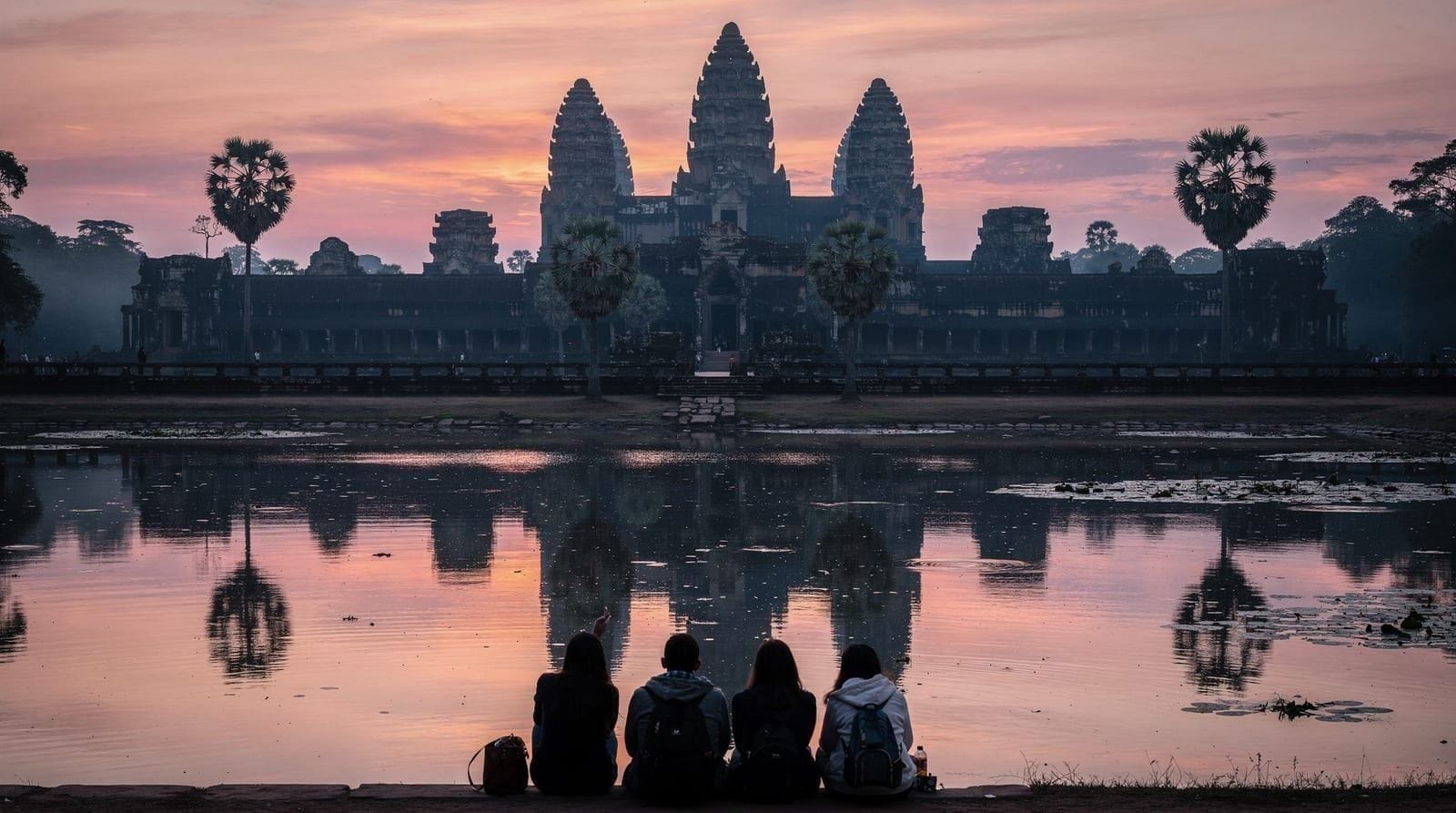
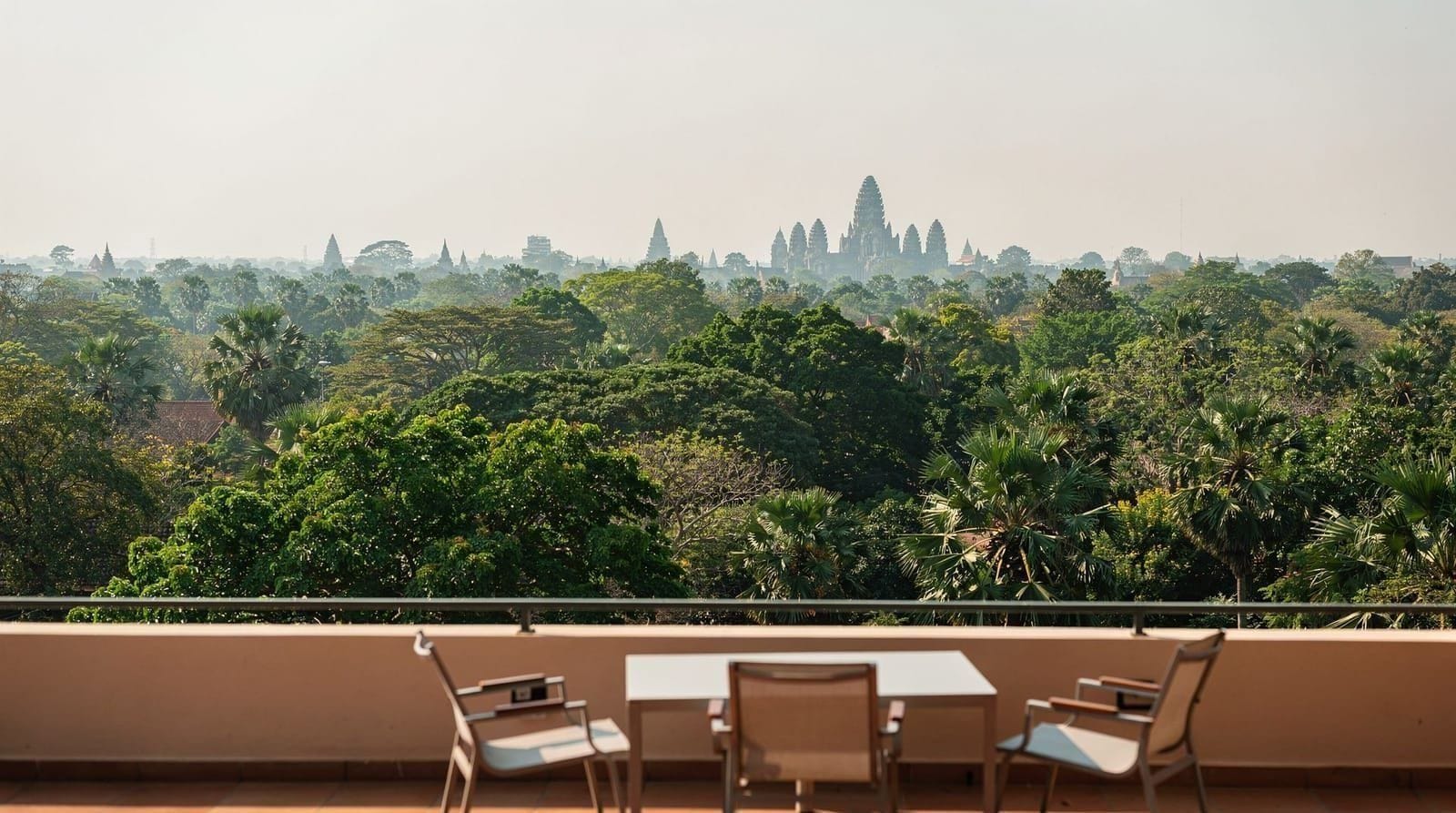
4:45–5:00am — Arrive, cross the causeway, and claim a spot at the reflection pools on the left (north) side of the entrance path — the classic five-tower silhouette shot needs a pool with clear water and no other heads in frame, which means arriving before 5am in high season (December–February).
5:00–5:45am — Sunrise. Read our sunrise guide beforehand for which of the two main pools tends to be less crowded and what to do if cloud cover kills the color.
6:00–7:30am — Once the crowd thins (most sunrise-only visitors leave by 6:30), walk into Angkor Wat itself: the outer gallery bas-reliefs (churning of the ocean of milk on the east wall is the highlight), then the steep stairs to the upper level if the queue isn’t already 30+ minutes — it often is by 7:30 in peak season, so go early or skip it for time.
7:45am — Coffee and a light breakfast at one of the stalls just outside the West Gate parking area. Don’t count on a real meal here; it’s coffee, baguettes, and fruit at best. If you skipped breakfast at your hotel, this is the only food stop before lunch.
Mid-morning: Angkor Thom and Bayon
8:00am — Tuk-tuk to Angkor Thom’s South Gate, about 10–15 minutes from Angkor Wat. The causeway of guardian statues (54 gods pulling a naga on one side, 54 demons on the other) is worth 5 minutes and a photo before continuing to Bayon.
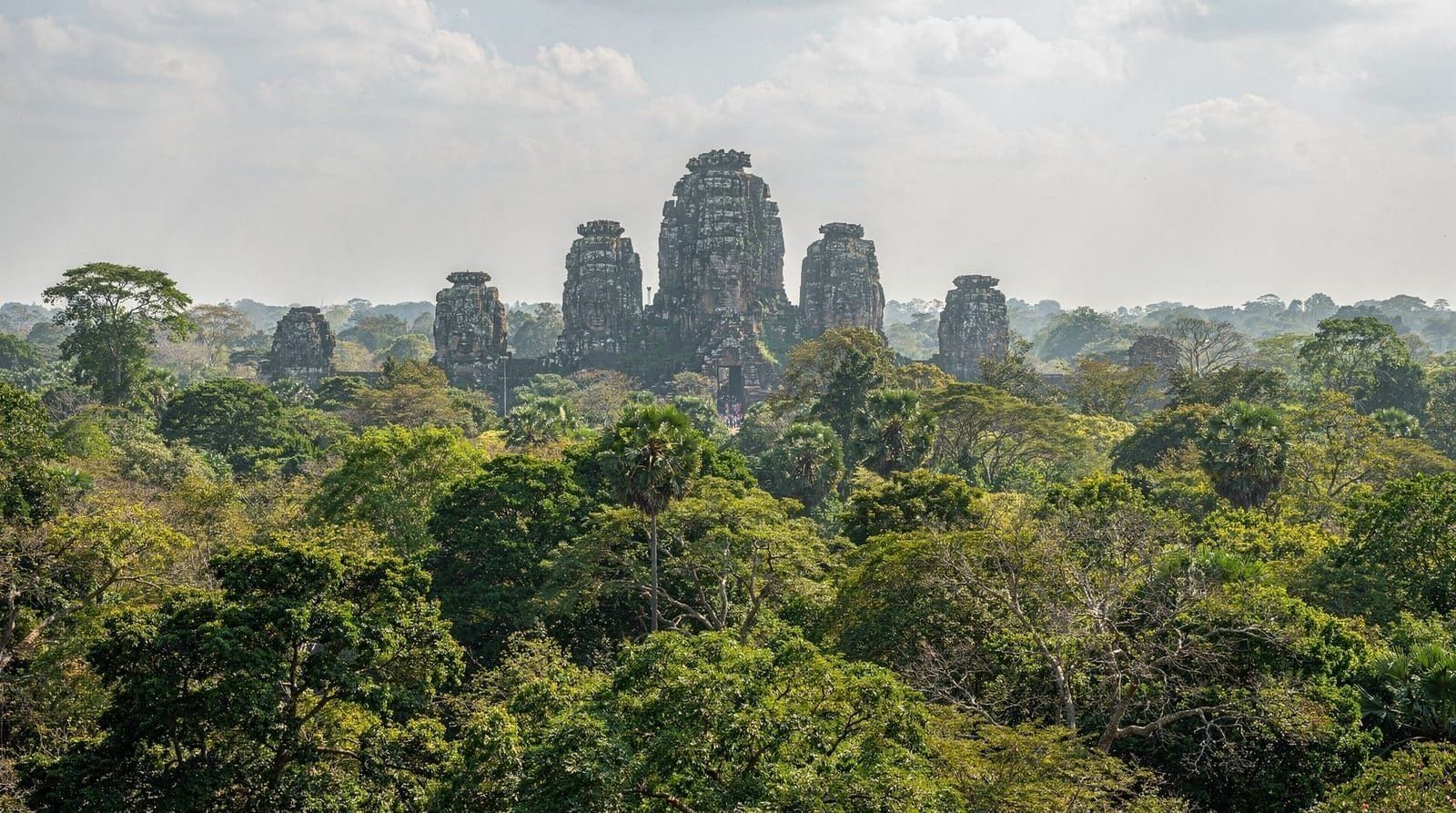
8:15–9:15am — Bayon, the temple with 216 carved stone faces. This is the second most crowded stop on the Small Circuit after Angkor Wat, but arriving before 9:30am — ahead of the big tour-bus groups — still gets you reasonably clear upper-terrace photos.
9:15–9:45am — A quick pass through Baphuon (the reclining Buddha built into its west wall) and the Terrace of the Elephants, both a short walk from Bayon. Fifteen minutes each is enough at this pace; neither rewards lingering the way Angkor Wat or Ta Prohm do.
Late morning: Ta Prohm
10:00am — Tuk-tuk to Ta Prohm, roughly 20–25 minutes from Angkor Thom. This is the “Tomb Raider” temple, half-swallowed by silk-cotton and strangler-fig roots.
10:15–11:15am — Ta Prohm. Crowds build steadily through the late morning as day-tour buses arrive from town, so this hour is close to the best window you’ll get without a 6am-only visit. The famous root-over-stone shot (the “Tomb Raider tree”) usually has a short queue for an unobstructed photo by mid-morning — budget 10 minutes of waiting if you want the clean version.
Midday: lunch and a break
11:45am–1:00pm — Head back into town, about 25–30 minutes by tuk-tuk from Ta Prohm. Eating near the temples means roadside stalls of variable quality; eating in town means a real sit-down meal. Khmer Kitchen Restaurant near Old Market or Marum on the Wat Damnak side (a TREE Alliance training restaurant with a genuinely good Khmer menu) both work for a one-hour lunch without rushing. If your flight or onward transport is tight, a stall lunch near the Ta Prohm parking area saves 30–40 minutes but the food is basic.
This is also the natural point to stop if you’re on a cruise excursion or afternoon flight — Angkor Wat, Bayon, and Ta Prohm are the three temples worth prioritizing on a single day, and you’ve now seen all three.
Afternoon: one more stop or rest
If your day extends past lunch, two realistic options:
- Angkor National Museum (in town, separate ~$12 ticket, air-conditioned): a good midday option when the outdoor heat peaks between 12 and 3pm, with well-organized galleries on Angkor’s history and religious context.
- Rest at your hotel for an hour or two, then head back into the park for one more temple in better afternoon light.
3:30–4:00pm — If you’re returning to the park, Preah Khan (part of the Grand Circuit, roughly 20 minutes from town) is a good add if your Angkor Pass day isn’t over yet and you have the energy — it’s quieter than the Small Circuit temples by mid-afternoon.
4:45–6:00pm — Sunset. Phnom Bakheng is the classic choice but gets genuinely crowded and can reach visitor-capacity limits in high season; Pre Rup or the moat at Angkor Wat’s east side are calmer alternatives with real sunset color and far fewer people competing for the same frame.
Evening: dinner and departure
7:00pm onward — Dinner around Pub Street or Old Market. If you have an early flight or a long onward journey the next day, keep this simple — you’ve been up since before 4:30am and the temple heat adds up. Skip the evening dinner-show buffets scattered around town; they’re overpriced for the food quality (more in our tourist traps guide), and after a day like this, an early night matters more than a show.
The alternative: skipping sunrise entirely
Not every one-day visitor should chase sunrise. If you’re arriving on a red-eye flight, nursing jet lag, or simply know a 4:15am wake-up will wreck the rest of your day, a 7:00am start works too. You lose the reflection-pool silhouette and the cooler pre-dawn air, but you gain a full night’s sleep and still see Angkor Wat, Bayon, and Ta Prohm at essentially the same pace — just shifted two and a half hours later, with lunch and the afternoon block sliding accordingly.
The trade-off is a busier Angkor Wat around 7:30–9am, since that’s when the sunrise crowd is still inside and the next wave of day-tour buses starts arriving. Either version uses the same 1-day Angkor Pass and the same three temples; the only real difference is which crowd you deal with.
What to pack for the day
Dress code is enforced at every temple gate: shoulders and knees covered for everyone, regardless of gender — a lightweight long-sleeve shirt and trousers or a knee-length skirt work better in practice than trying to layer a cover-up over shorts. Closed shoes or sturdy sandals handle Angkor Wat’s uneven stone stairs far better than flip-flops. Bring more water than feels necessary — heat and early-morning dehydration from a 4:15am start compound quickly — plus sunscreen, a hat, and a portable phone charger if you’re relying on your phone for photos through a 13-hour day. Cash in small USD denominations covers the pass, tuk-tuk tips, and stall snacks; card acceptance drops sharply once you’re outside town.
What a guided version looks like
If planning your own tuk-tuk logistics on four hours of sleep sounds like one variable too many, a private sunrise tour handles pickup timing and pool positioning, then you continue independently or extend into a full Small Circuit day tour covering the same three temples with a guide narrating the bas-reliefs and history as you go.
Remember: GetYourGuide and Viator sell the transport and guide, not the Angkor Pass itself — you (or the driver, with your cash) still buy the $37 pass at the Angkor Enterprise counter. Our GYG vs. Viator guide breaks down which platform fits this kind of single-day booking better.
Travel time from your hotel area
Siem Reap’s neighborhoods sit at slightly different distances from Angkor Wat’s West Gate, which matters when you’re setting a 4:30am alarm:
| Staying near | Travel time to Angkor Wat |
|---|---|
| Old Market / Pub Street | 15–20 minutes |
| Wat Bo Road | 15–20 minutes |
| Sala Kamreuk | 15–25 minutes |
| Sok San Road / Taphul | 20–25 minutes |
| Near the airport (SAI) | 55–70 minutes — not recommended for a sunrise start |
If you’re arriving on a same-day flight and staying near Siem Reap–Angkor International Airport for convenience, note that SAI itself sits 40–50km from town — closer to the temples geographically than downtown Siem Reap in a straight line, but the road connections mean it isn’t actually faster in practice. Most one-day visitors are better served staying centrally, even for a single overnight, purely to shave 30–40 minutes off the sunrise wake-up call. See our airport guide for the full transfer breakdown.
Budget for the day
| Item | Cost |
|---|---|
| Angkor Pass (1-day) | $37 |
| Tuk-tuk, full day | $15–20 |
| Breakfast + lunch | $8–15 |
| Angkor National Museum (optional) | $12 |
| Dinner | $6–15 |
| Total | ~$65–100 |
Frequently asked questions about a 1-day Siem Reap itinerary
Is one day enough to see Angkor Wat properly?
One day is enough to see Angkor Wat, Bayon, and Ta Prohm at a reasonable (not rushed) pace, including sunrise. It is not enough for the Grand Circuit, Banteay Srei, or any outlier temple — those require a 3-day pass and a second or third day. See how many days in Siem Reap for the fuller breakdown.
Should I skip sunrise if I only have one day?
Not necessarily, but it’s a real trade-off: sunrise means a 4:15am wake-up and a shorter afternoon, while skipping it means arriving at Angkor Wat around 7:30–8am to a much busier temple but a normal night’s sleep. If you’re jet-lagged or on a tight connection the next day, the 7am start is a legitimate choice.
Can I do this itinerary without a guide?
Yes. Hire a tuk-tuk driver for the day (through your hotel or on arrival) and follow this same sequence — Angkor Wat, Angkor Thom/Bayon, Ta Prohm — using the Angkor Pass alone. A guide adds historical context but isn’t required to navigate the Small Circuit.
What if it rains?
Rainy season (May–October) brings short, heavy downpours rather than all-day rain. Build in a 30–45 minute buffer around midday and treat a museum visit or a covered café stop as your rain contingency rather than cancelling outdoor temple time entirely.
Is the Angkor National Museum worth the extra ticket and time?
If your afternoon is otherwise unstructured and the midday heat is intense, yes — it’s air-conditioned and gives useful context for what you saw that morning. If you’re tight on time, skip it in favor of a second temple or simply resting before an evening flight.
Can I fit Banteay Srei into a 1-day trip?
Not comfortably. Banteay Srei is roughly an hour each way from town, and adding it to this itinerary would mean cutting either Ta Prohm or the sunrise entirely. If Banteay Srei’s carvings are a priority, plan for two days instead and follow the 2-day itinerary.
Do I need to book anything in advance?
No advance booking is required for the Angkor Pass or for hiring a tuk-tuk on arrival, though many hotels can arrange a driver the night before. Booking a guided tour in advance is optional and mainly useful for guaranteeing a driver at 4:30am during peak season when demand is high.
What’s the biggest time-waster to avoid on a one-day visit?
Queuing for Angkor Wat’s upper-level stairs after 8am. The queue can run 30–45 minutes in high season, which on a one-day itinerary is time better spent at Bayon or Ta Prohm before their own crowds build. If the upper-level line looks long when you reach it, skip it rather than let it eat into your Ta Prohm window.
Is it possible to see a fourth temple if I move fast?
Technically yes — Preah Khan or Baksei Chamkrong (a small pyramid temple near Angkor Wat) can be added in 15–20 minutes if your pace stays tight all morning. In practice, most one-day visitors get more value from a genuinely unhurried Ta Prohm than a rushed fourth stop; this itinerary deliberately keeps the count at three.
Top experiences
Bookable activities with verified prices and instant confirmation on GetYourGuide.


More tours on Viator
Top-rated experiences with verified reviews, bookable on Viator (a Tripadvisor company).