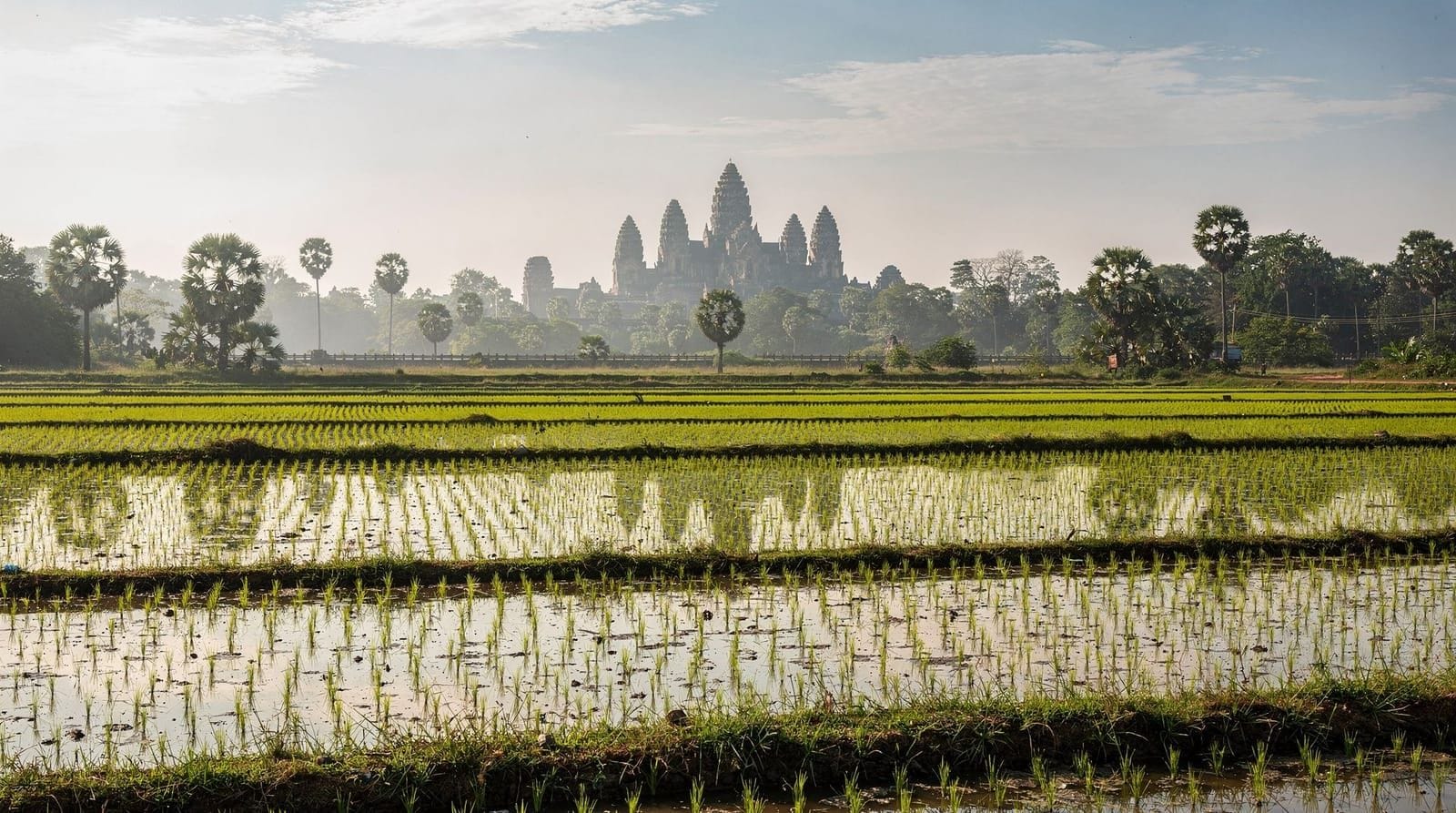
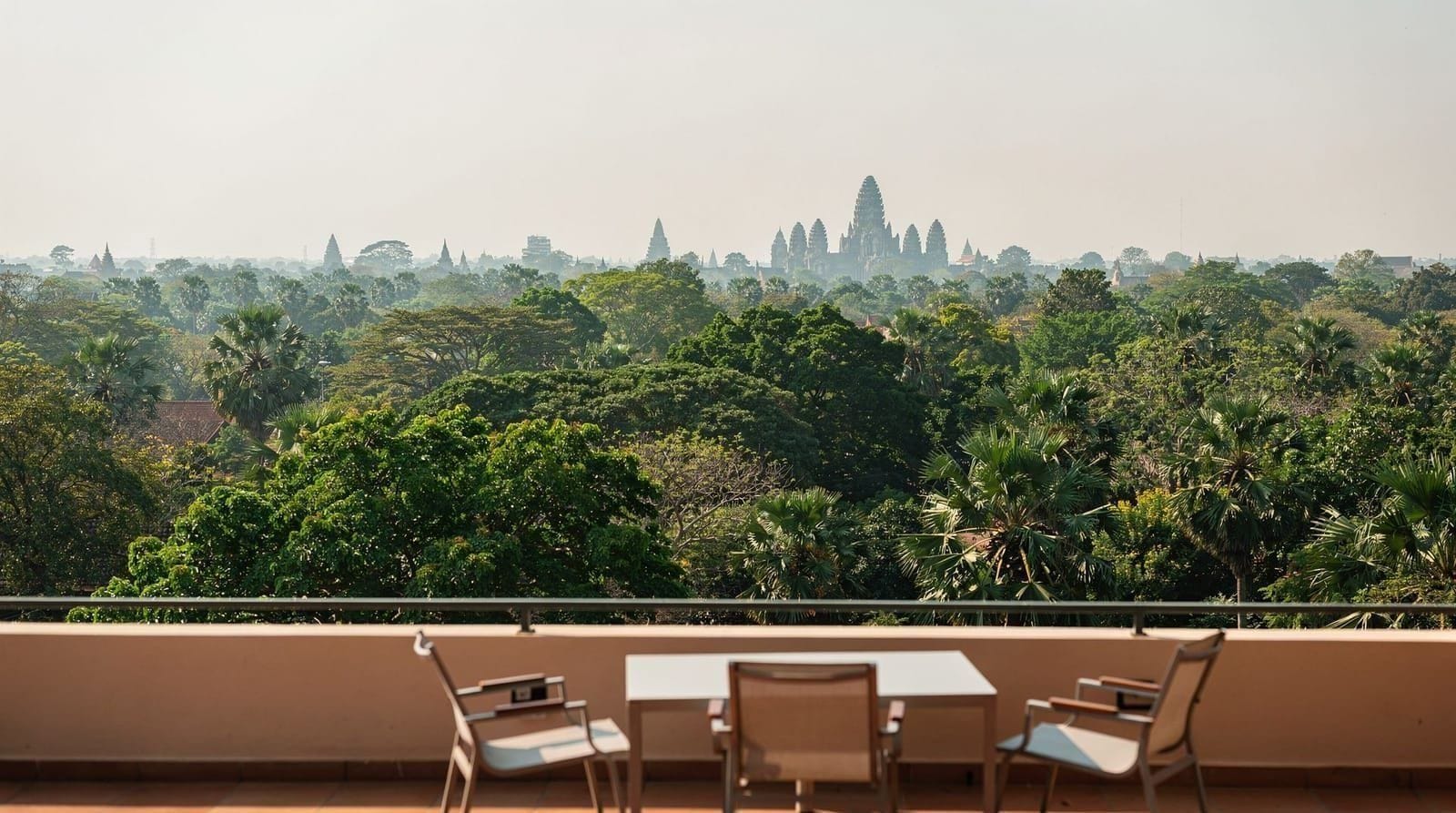
Siem Reap in 2 days: Small Circuit, Grand Circuit and Banteay Srei
Siem Reap: 2-Day Angkor Wat Tour, Small and Big Circuit with Banteay Srei
The pass math that shapes this plan
Two full days at Angkor is enough to move past the postcard shots and into genuine variety — the raw grandeur of Angkor Wat and Bayon on Day 1, then the finer, more intimate carving at Banteay Srei and the quieter, more spread-out Grand Circuit temples on Day 2. It’s also a realistic stopping point for travelers with limited time who still want more than the rushed single-day version but can’t stretch to a third day for Tonlé Sap and the town. If your schedule can flex, read the 3-day itinerary before committing — the jump from two days to three costs very little extra given the pass math below and adds a genuinely different kind of day to the trip.
Two days at Angkor means one ticket decision before anything else: a second 1-day pass costs $37, bringing a two-visit total to $74, while the 3-day pass costs $62 for three usable days within a 10-day window. Buying the 3-day pass for a 2-day visit is cheaper than two 1-day passes and leaves a spare day you can use later in your trip — for a rainy-day reshoot, a second sunrise attempt, or simply an extra temple you didn’t get to. This itinerary assumes the 3-day pass even though it only uses two of the three days; see the full breakdown in our Angkor Pass guide.
Budget a tuk-tuk or car for both days (roughly $15–20/day for the Small Circuit, closer to $20–25 for the Grand Circuit plus Banteay Srei given the extra distance) and confirm the fare before you set off each morning.
Day 1: the Small Circuit
Day 1 mirrors the 1-day itinerary closely — sunrise, Angkor Thom/Bayon, Ta Prohm — but without the same time pressure, so you can slow down at each stop.
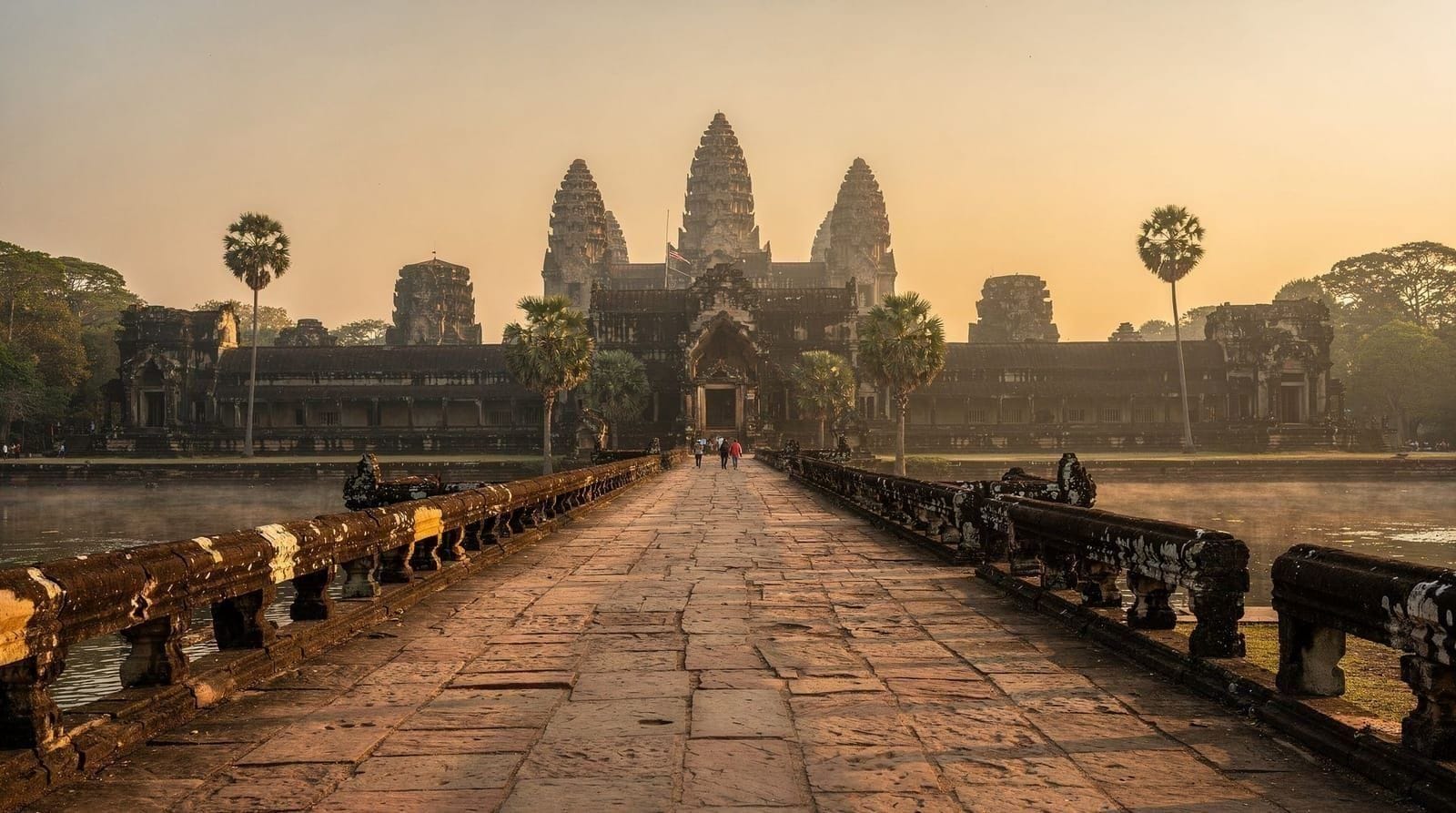
4:15am — Wake-up; tuk-tuk pickup at 4:30am for the 15–20 minute ride to Angkor Wat’s West Gate.
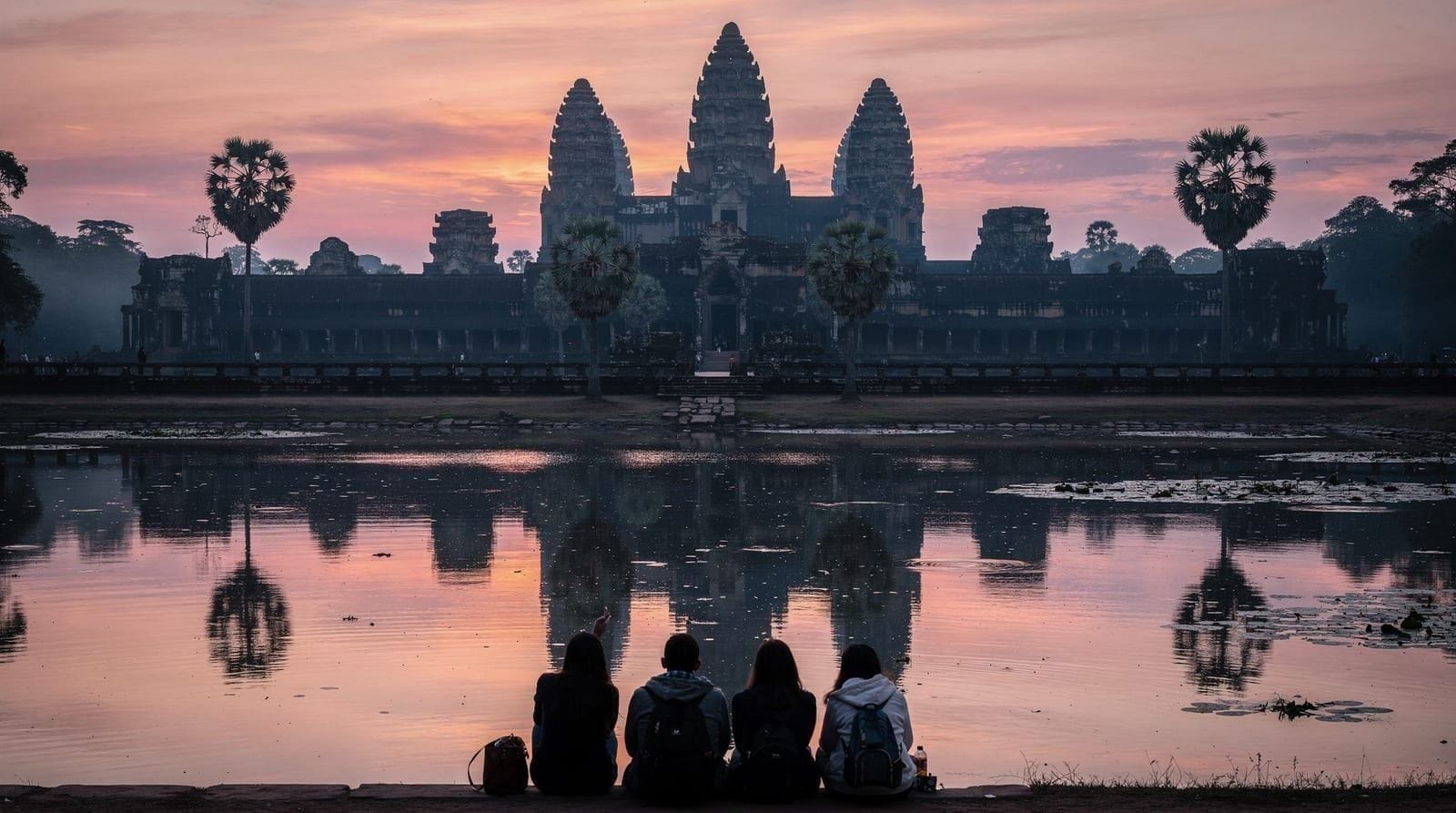
5:00–5:45am — Sunrise at the reflection pools. See the sunrise guide for pool selection.
6:00–8:00am — Angkor Wat interior at a relaxed pace: outer gallery bas-reliefs, the upper level if the stair queue is manageable, and time to walk the full outer enclosure rather than rushing the highlights only.
8:15am — Coffee and a light breakfast at the West Gate stalls.
8:45–10:00am — Angkor Thom: South Gate causeway, Bayon (216 faces — arriving before 9:30am still beats the big tour groups), Baphuon, Terrace of the Elephants, Terrace of the Leper King.
10:30–11:45am — Ta Prohm, unhurried. With two days you don’t need to rush the root-over-stone photo queue.
12:15–1:30pm — Lunch in town, 25–30 minutes back from Ta Prohm. Khmer Kitchen Restaurant (Old Market area) or Chanrey Tree (riverside, Khmer fine dining at moderate prices) both work well after a hot morning.
2:00–4:00pm — Rest at your hotel during the hottest hours, or visit the air-conditioned Angkor National Museum (separate ~$12 ticket) in town.
4:30–6:00pm — Optional afternoon temple if energy allows: Preah Khan (part of the Grand Circuit, ~20 minutes from town) makes a good preview of Day 2 and is quieter in late afternoon light. If you’d rather rest, skip this and treat Day 1 as done after Ta Prohm.
7:00pm onward — Dinner around Pub Street or Old Market. This is also a reasonable night to book the Phare Cambodian Circus — the 8pm show wraps a heavy sightseeing day with something that isn’t another temple.
Day 2: the Grand Circuit and Banteay Srei
Day 2 covers more ground and more driving than Day 1, so it starts a little later but runs longer in the car.
6:30am — A calmer start than Day 1 — no sunrise chase today. Breakfast at your hotel.
7:15am — Tuk-tuk or car departs for Banteay Srei, about 37km / roughly 1 hour from town. Going first thing means arriving before the mid-morning tour-bus wave and before the heat builds.
8:15–9:15am — Banteay Srei, the 10th-century “Citadel of Women,” famous for the deepest, finest sandstone carving in the entire Angkor style. It’s a small site — an hour is genuinely enough to see the carvings properly without lingering past the point of diminishing returns.
9:30–10:00am — On the way back toward the main park, most drivers can route through or near the Roluos Group (Bakong, Preah Ko, Lolei) — the oldest Angkorian temples, 9th-century, and far less crowded than anything on the Small Circuit. This is optional; skip it if you’d rather have more time on the Grand Circuit proper.
10:30am–12:30pm — The Grand Circuit itself: Preah Khan, Neak Pean (a small island shrine, short walk from parking), Ta Som, and Pre Rup or East Mebon depending on which direction your driver runs the loop. This is a roughly 26km driving circuit, so expect more time in the tuk-tuk between stops than on the Small Circuit.
12:45–2:00pm — Lunch. If you’re still out near the park, a stall near the Grand Circuit’s northern stretch is fine for something quick; for a proper sit-down meal, head back into town (25–30 minutes).
2:30–4:30pm — Free afternoon: Old Market and Pub Street for shopping, a spa (Bodia and similar are well-reviewed and inexpensive by Western standards), or simply resting after two heavy temple days.
5:00–6:00pm — Sunset at Pre Rup (if you didn’t visit it that morning, this is one of the better sunset temples — a brick pyramid with genuine elevation and less crush than Phnom Bakheng) or back at the Angkor Wat moat for a quieter option.
7:00pm onward — Dinner. With the 3-day pass’s third day still unused, this is a good moment to decide whether to extend into a third day — see the 3-day itinerary, which adds a Tonlé Sap floating village and more town time using exactly this pass.
What to pack and what to skip
Dress code — shoulders and knees covered — is checked at every gate on both days, not just Angkor Wat, so plan clothing for the full two days rather than one “temple outfit.” Closed shoes handle Banteay Srei’s uneven approach paths and the Grand Circuit’s less-maintained walkways better than sandals. Carry more cash than you think you’ll need in small USD bills: the Grand Circuit’s stalls and Banteay Srei’s parking-area vendors are cash-only, and change often comes back in riel. If you’re debating what to leave out of this plan, the Roluos Group detour on Day 2 morning is the easiest cut if you’re running behind schedule — it’s a genuine bonus, not a core stop, and skipping it buys back 30–45 minutes for the Grand Circuit proper.
Where this plan differs from the 1-day version
If you compared this itinerary to the 1-day plan, the difference isn’t just “more temples” — it’s pace. Day 1 here covers the same three temples as the entire 1-day itinerary but with roughly 90 extra minutes of unhurried time built in, particularly at Angkor Wat’s interior and Ta Prohm’s root photo spot. Day 2 then adds the Grand Circuit and Banteay Srei entirely fresh. Travelers coming from the 1-day itinerary who add a second day later in their trip should simply run this Day 2 as a standalone addition rather than repeating Day 1.
What a guided version looks like
A 2-day Small and Grand Circuit tour with Banteay Srei covers this same route with a guide handling logistics and historical context across both circuits — useful if you’d rather not manage two full days of tuk-tuk negotiation and routing yourself.
For Day 1 alone, a private Small Circuit tour is a lighter-commitment option if you’re only certain about one day and want to decide on Day 2 once you’re on the ground. Either way, the tour price covers transport and guiding only — the Angkor Pass itself is a separate purchase from Angkor Enterprise, never included by GetYourGuide or Viator.
Budget for the two days
| Item | Cost |
|---|---|
| Angkor Pass (3-day, used for 2) | $62 |
| Tuk-tuk/car, 2 days | $35–45 |
| Meals, 2 days | $25–40 |
| Angkor National Museum (optional) | $12 |
| Phare Circus (optional) | ~$18–38 |
| Total (without optional extras) | ~$120–150 |
Frequently asked questions about a 2-day Siem Reap itinerary
Should I do the Small Circuit or Grand Circuit first?
The Small Circuit first, as in this plan, because it front-loads Angkor Wat’s sunrise and the three most photographed temples while you’re least fatigued. The Grand Circuit and Banteay Srei on Day 2 involve more driving and reward a bit more Angkor context, which Day 1 provides.
Is the 3-day pass really worth it for a 2-day trip?
Yes, in almost every case. Two separate 1-day passes cost $74 combined; the 3-day pass costs $62 and gives you a spare day usable within 10 days of purchase. Unless you’re leaving Siem Reap the morning after Day 2, the 3-day pass is strictly cheaper and more flexible.
Can I swap the order and do Banteay Srei on Day 1?
You can, but it front-loads your longest single drive (about an hour each way) before you’ve seen the park’s core sites, and it means tackling Angkor Wat’s sunrise crowd on Day 2 instead of Day 1 when you’re fresher. This plan’s order is the more common and generally smoother sequence.
What if I only want one circuit, not both?
Drop the Grand Circuit and Banteay Srei and use your second day for a Tonlé Sap floating village or a slower town day instead — at that point you’re effectively running a lighter version of the 3-day itinerary minus one day.
Do I need a guide for the Grand Circuit?
No, a tuk-tuk driver with a fixed route works fine, though the Grand Circuit’s temples (Neak Pean, Ta Som, Preah Khan) have less obvious signage and history than the Small Circuit’s headline sites, so a guide adds more value here than on Day 1.
How much walking is involved?
More than most visitors expect — Angkor Wat’s interior alone involves uneven stone steps and long galleries, and Banteay Srei plus the Grand Circuit adds several more kilometers of walking across two days. Comfortable closed shoes matter more than sandals here.
What’s the best split if I only want one really relaxed day and one packed day?
Keep Day 1 as written (it’s already the fuller day) and treat Day 2’s afternoon block as fully optional rest rather than Old Market browsing — cut straight from the Grand Circuit to your hotel around 1pm, skip the sunset temple, and use the evening purely for dinner. This preserves both circuits while giving you one genuinely light afternoon.
Should first-timers do this 2-day plan or wait for 3 days?
If your schedule allows a third day, take it — the 3-day itinerary adds a Tonlé Sap floating village and proper town time that this 2-day version has no room for, and most first-time visitors report wanting that variety after two temple-heavy days in a row.
Top experiences
Bookable activities with verified prices and instant confirmation on GetYourGuide.


More tours on Viator
Top-rated experiences with verified reviews, bookable on Viator (a Tripadvisor company).