Siem Reap countryside and rice fields: getting beyond the temples
Siem Reap: Countryside Khmer Village Tour by Quad Bike
How do I see the Siem Reap countryside beyond the temples?
Quad bike, cycling and guided village tours all run through rural routes just outside town, passing rice paddies, small farms and local villages. Rainy season (roughly June-October) delivers the most vivid green rice fields; dry season (November-April) shows golden, harvested or fallow fields with a different but still worthwhile character.
Siem Reap is more than temples and Pub Street
Most visitors’ Siem Reap itinerary is built entirely around Angkor and the town center, which means the rural landscape just beyond both — rice paddies, small farming villages, dirt-road countryside barely 15 minutes from the last temple checkpoint — goes unseen by a large share of travelers who’d genuinely enjoy it and who often only discover it exists after their trip is already over. This guide covers the practical ways to get out into that countryside, without pretending it’s a separate destination requiring major extra travel; much of it sits closer to town than the Grand Circuit does, and a genuinely worthwhile half-day outing needs no more planning than any other Siem Reap activity.
What “countryside” actually looks like here
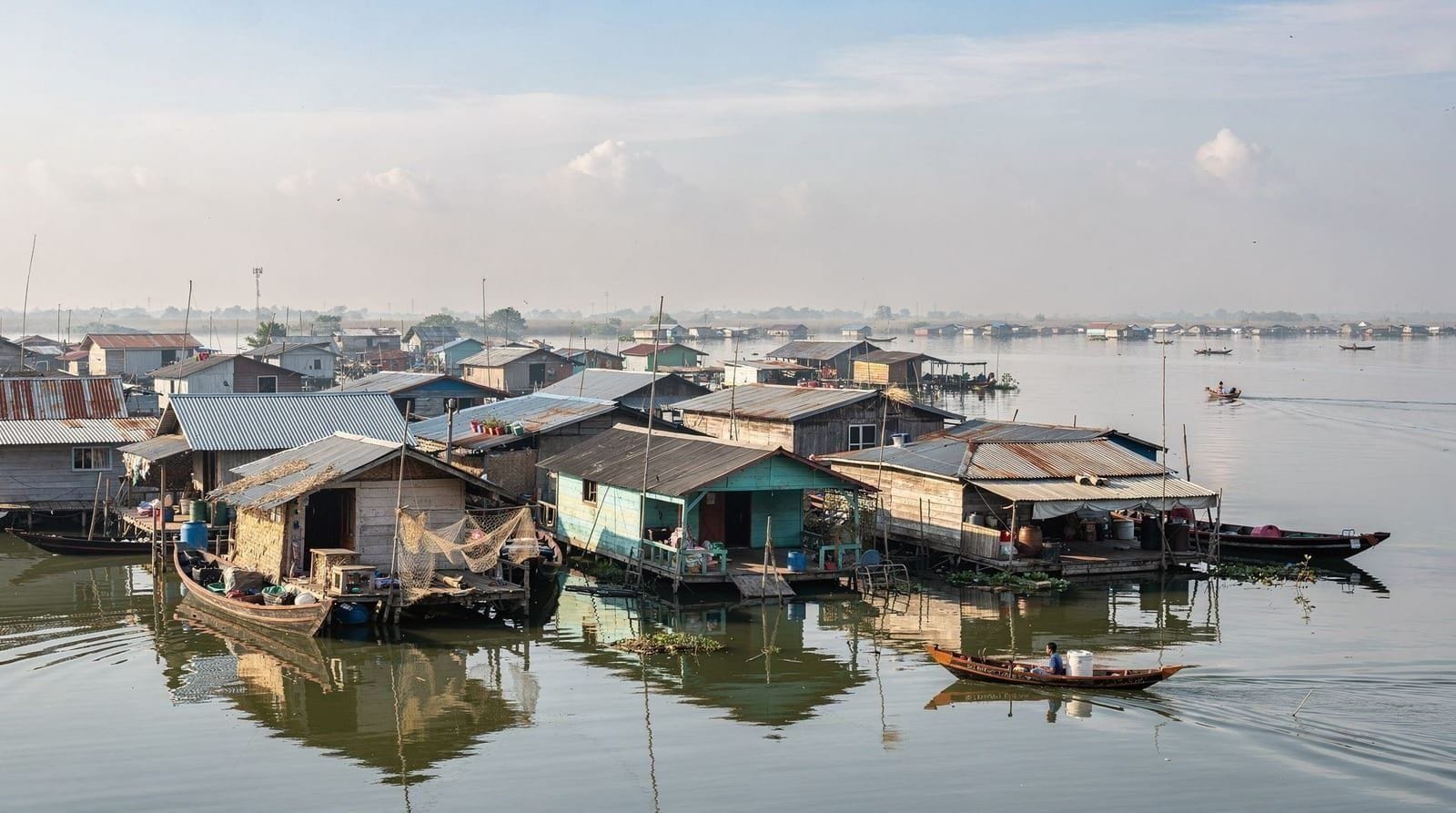
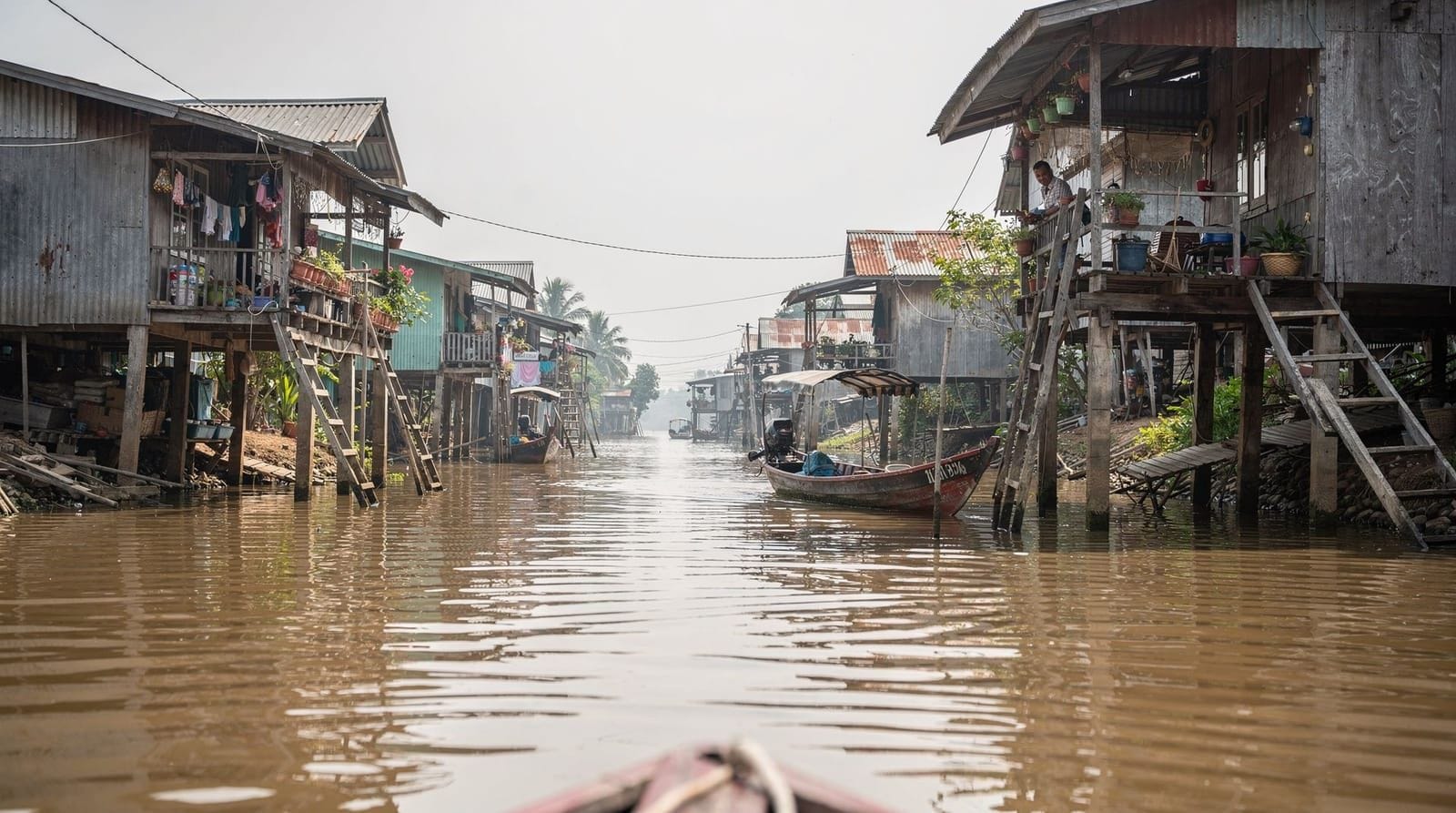
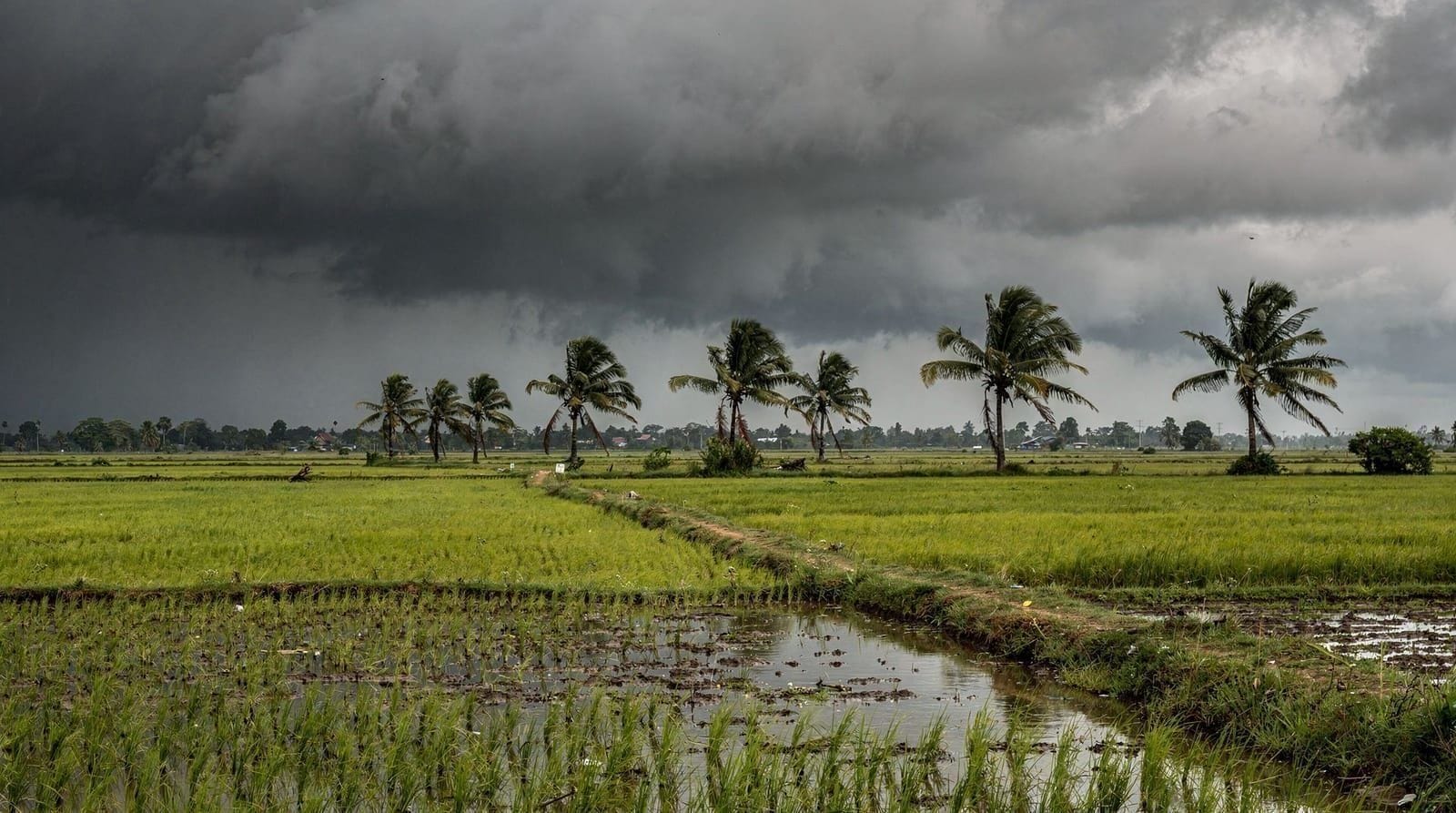
Cambodia’s Siem Reap province is intensively farmed, dominated by rice paddies that shift character dramatically by season — vivid green during the growing months, golden just before harvest, and bare or water-covered fallow fields at other points in the cycle. Between the paddies, small villages built around stilted wooden houses, local markets, and modest Buddhist pagodas give a sense of rural Cambodian life distinct from both the temple-focused park and the tourist-dense town center — a Cambodia most temple-only visitors never actually see despite passing near its edges every day of their trip.
What a typical quad bike route actually involves
A standard quad bike countryside tour departs from a rental point on the outskirts of town after a brief safety and operation briefing, particularly important for visitors who haven’t ridden an ATV before — the vehicles are generally straightforward to operate, automatic-transmission and beginner-manageable, but a few minutes of guided practice on flat ground before hitting village roads meaningfully reduces first-time rider nervousness.
Routes typically wind through a mix of dirt tracks, village access roads, and occasionally a shallow stream or river crossing, with the guide riding ahead or alongside to set pace and call out route changes. Stops along the way commonly include a village home, a local market, or a scenic rice-field viewpoint, giving natural breaks to dismount, stretch, and take photos rather than riding continuously for the full route duration. Full protective gear (helmet at minimum) is standard-issue at reputable operators; confirming this is included, rather than assuming it, is worth a quick check when booking.
What a typical cycling route actually involves
Cycling tours generally use hybrid or mountain-style bikes suited to a mix of paved and unpaved rural roads, departing at a gentler pace than a quad bike tour given the physical effort involved and the greater vulnerability of a cyclist relative to a quad bike’s more protected riding position.
Routes commonly follow raised paths between rice paddies — a genuinely scenic vantage point unavailable from a vehicle — before passing through one or more villages where the group typically stops to look around, sometimes with a brief home visit or market stop built in. Group sizes tend to run smaller than quad bike or car-based countryside tours, and the overall pace is more suited to actually absorbing the surroundings rather than covering maximum distance, which is part of why cycling is generally described as the most immersive of the three main options.
How to get out there
Quad bike (ATV) tours are a popular, moderately active way to cover rural routes efficiently, typically running 2-8 hours depending on the package, weaving through village roads, rice paddy paths and occasionally a river or stream crossing, with no prior riding experience required for most standard routes. A countryside village quad bike tour suits visitors wanting an active, slightly adventurous take on the rural landscape rather than a passive drive-through.
Cycling tours offer the quietest, most immersive way to experience the countryside — slow enough to actually take in a passing rice paddy or a village market stall, without a motor’s noise breaking the atmosphere or disturbing the everyday rhythm of the villages you pass through. A countryside cycling and village life tour typically includes stops at a local home, a market, or a small farm, and works best in the cooler months (November-February) when a multi-hour ride in direct sun is far more comfortable.
Guided village and car/tuk-tuk tours suit visitors prioritizing comfort, traveling with young children, or simply preferring a guided narrative over independent exploration of a landscape and culture they don’t have prior context for. A day-in-the-life village tour typically includes stops at a rural home, a local market, and sometimes a small-scale farming or craft demonstration, paced for an easy half-day rather than a physically demanding outing.
Best season for the fields themselves
If seeing vivid green rice paddies specifically is your priority, aim for roughly July through October, the heart of the growing season during rainy season, when fields are at their most saturated green and the countryside feels genuinely lush rather than the drier, dustier look it takes on for much of the rest of the year.
By harvest time — typically November into December in this region — the same fields turn a striking gold shortly before cutting, a different but equally photogenic look that many visitors don’t realize is a distinct, separate window from the green growing season. The following dry-season stretch (January-April) often shows bare, fallow, or partially flooded fields depending on local irrigation, with a starker, quieter character than either the green or gold phases.
Combining countryside with a floating village visit
The road out toward Tonlé Sap naturally passes through rice-farming countryside on the way to villages like Kompong Phluk, and several tour operators combine a rural cycling or quad-bike route with a floating-village boat trip into a single half-day package — a practical way to cover both without arranging two separate outings. See our floating villages guide for the boat-tour side of this combination.
Visiting respectfully
Rural village tourism carries the same ethical considerations that apply to floating village visits: choosing operators who work with genuine local guides, avoiding tours built around spontaneous cash “donations” at village stops, and buying fairly priced goods at a local market rather than handing cash directly to children are all better practice than the alternative. Smaller group sizes generally translate into a less intrusive, more genuinely welcomed visit for the communities involved than large-group, tour-bus-style drive-throughs.
How countryside routes compare to a floating village visit
It’s worth distinguishing a countryside outing from a Tonlé Sap floating village trip, since both get pitched as “beyond the temples” experiences and first-time visitors sometimes conflate the two. A countryside route is a land-based journey through farmland and villages, typically covered by quad bike, bicycle, or vehicle, with no boat component and no lake-level seasonality to plan around — it’s accessible and looks broadly similar year-round, aside from the rice-field color changes described above.
A floating village visit is boat-based, requires a specific launch point, and is far more dependent on the lake’s seasonal water level for both access and visual impact. Some operators combine both into a single half-day, but they remain genuinely distinct experiences — see our floating villages guide for the boat-based side of Siem Reap’s “beyond the temples” options in full.
Rice farming basics worth knowing before you go
Understanding a little about how rice farming actually works in this region adds real context to a countryside outing. Cambodian farmers in Siem Reap province typically plant with the arrival of the rains (May-June), transplant seedlings by hand into flooded paddies over the following weeks in a labor-intensive process still done largely without machinery in many smaller plots, and harvest as the fields dry out toward the end of the wet season and into the early dry months (November-December) — a cycle largely dictated by rainfall rather than irrigation infrastructure in many rural areas outside the immediate reservoir-fed zones.
Water buffalo, still used by some smaller-scale farming households alongside mechanized equipment, are a common and genuinely functional sight rather than a staged photo prop, particularly on quieter back roads away from the main tourist routes, and often the single most-photographed subject on a countryside outing for exactly that reason.
What food and drink options look like along the way
Countryside routes generally don’t run near restaurants or cafés in the way a temple day does, given the rural, low-infrastructure setting — most tours either build a stop at a local home or small village eatery into the itinerary, or simply run short enough (2-4 hours for most quad bike and cycling routes) that food isn’t a major concern mid-route.
Bringing a few snacks and enough water for the duration is a sensible habit regardless of the specific tour’s structure, since options for buying anything along a genuinely rural road are sparse compared to Siem Reap’s tourist-dense center. Some full-day cycling or quad bike packages include a proper meal at a village home or farm stop, worth checking for specifically if a longer route interests you.
Weather and comfort planning for a countryside day
Countryside routes offer far less shade than temple visits, where galleries and tree cover provide regular breaks from direct sun — a rice-field cycling or quad-bike route can mean sustained sun exposure for two to four hours at a stretch. Sun protection (hat, sunscreen, long sleeves in breathable fabric), more water than feels necessary, and, for cycling specifically, avoiding the harshest midday hours (roughly 11am-2pm) in favor of a morning or late-afternoon departure all meaningfully improve comfort.
Rainy season (May-October) brings the risk of a sudden downpour on an open rural route with no immediate shelter — checking a short-term forecast before departure and building some schedule flexibility into a rainy-season countryside outing is worth the extra planning.
When it fits into your trip
Countryside time works well as a change of pace between temple-heavy days, particularly on a rest day or the afternoon following an early sunrise visit when a slower-paced, less walking-intensive activity is welcome. It’s also a strong option for families — see our Siem Reap with kids guide for how a countryside outing compares to temple time for younger children’s attention spans and energy levels.
Which specific routes go where
Countryside routes near Siem Reap generally head in one of a small number of directions, and knowing roughly which direction a specific tour covers helps set expectations for what you’ll see. Routes toward the Roluos Group (east of town) pass through some of the most consistently rice-farming-dense countryside close to Siem Reap, often combined with a stop at the Roluos temples themselves given the overlapping direction.
Routes heading north and northwest toward the edge of the Angkor park cross a mix of farmland and forest fringe, sometimes passing smaller, less-visited pagodas along the way. Routes heading south toward Tonlé Sap cross the most consistently flat rice-paddy landscape, the natural pairing with a floating-village add-on described above. Asking your specific operator which direction their route covers, if you have a preference (temple-adjacent countryside vs. lake-adjacent countryside, for instance), helps match the route to what you’re most interested in seeing.
What a half-day countryside outing typically costs
Countryside tours are generally priced in a moderate range relative to Siem Reap’s broader tour market — quad bike and cycling tours typically run somewhat higher than a basic guided village car tour given the specialized equipment involved, while a simple half-day car or tuk-tuk countryside tour sits closer to standard in-town transport pricing with a modest premium for the guiding component. None of these routes require any separate ticket the way Angkor park or the outlier temples do — countryside routes cross open public roads and villages rather than any ticketed zone, so the tour price itself is the full cost beyond tipping your guide or driver.
Combining countryside routes with a cooking class
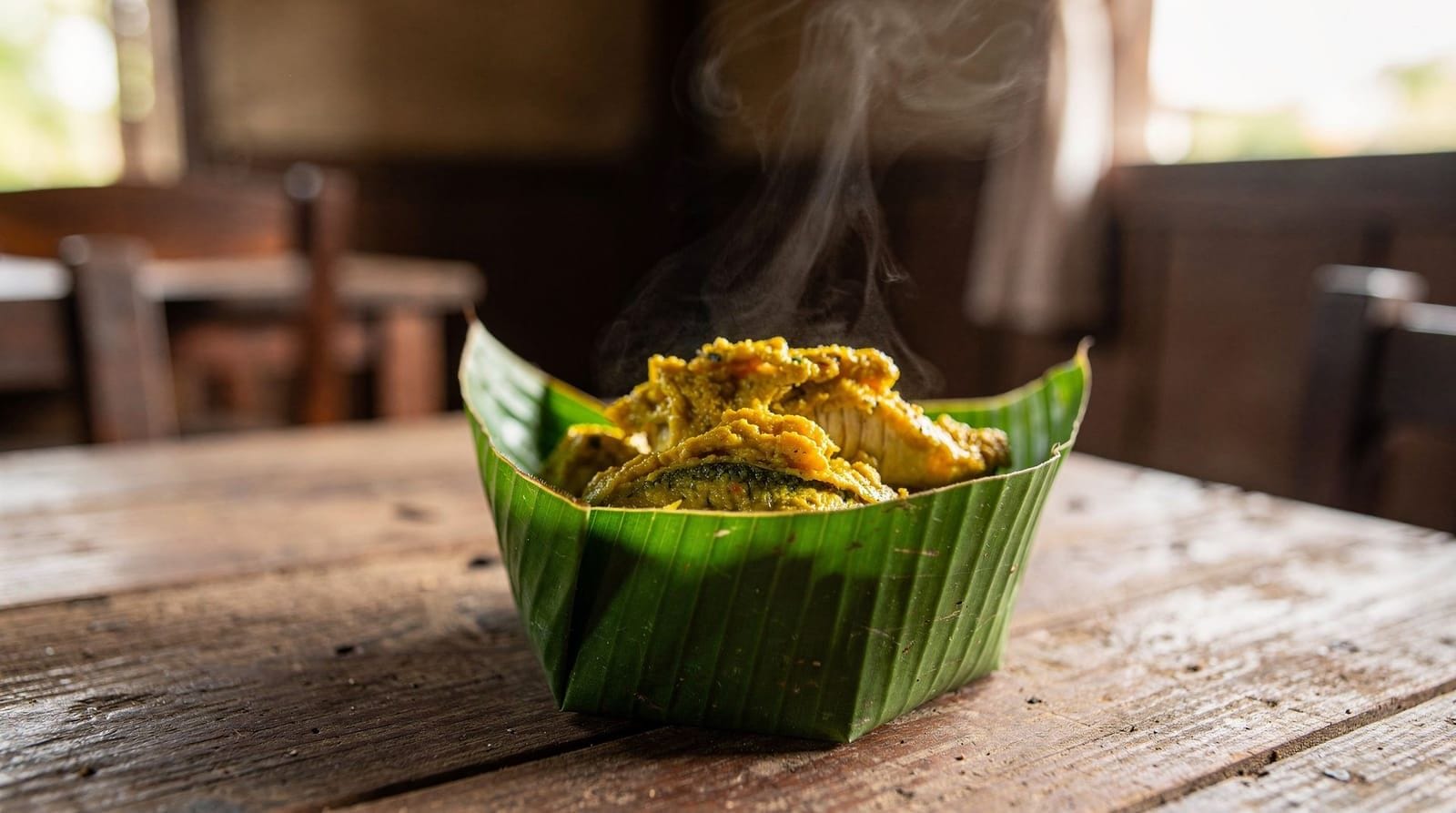
Several Siem Reap cooking class operators build a market visit and sometimes a rural farm stop directly into their itinerary, given how closely Cambodian home cooking draws on ingredients grown in exactly this kind of countryside setting — rice, of course, but also the vegetables, herbs and livestock that appear in a typical Khmer meal. If a countryside outing and a cooking class are both on your list, checking whether a specific cooking class operator already includes a rural or market component can save arranging two separate outings that would otherwise cover some of the same ground. See our cooking classes guide for specific options built this way.
What to expect from local interactions along the route
Countryside routes pass through genuinely lived-in villages rather than a curated open-air museum, and a realistic expectation matters here: some stretches involve waving or brief greetings from farmers and villagers going about ordinary daily activity, while other stretches pass with minimal interaction at all, particularly midday when farming activity is lighter due to heat.
Children in particular sometimes wave enthusiastically at passing tour groups, a friendly and typically genuine interaction rather than a staged photo opportunity, though it’s worth resisting the urge to hand out sweets or money directly to children encountered this way, for the same reasons covered in the ethics section above — a wave back is a better response than a transaction.
Frequently asked questions about Siem Reap countryside and rice fields
What's the best way to explore the Siem Reap countryside — bike, quad bike, or car?
It depends on your comfort level and time. Cycling gives the quietest, most immersive experience but requires more physical effort and works best in cooler months. Quad biking covers more ground with less physical strain and appeals to visitors wanting a more active, adventurous feel. A guided car or tuk-tuk countryside tour suits visitors prioritizing comfort or traveling with young children.When are the rice fields greenest?
Roughly July through October, during the main growing period of rainy season, when paddies are at their most vividly green. By harvest time (typically November-December in this region) fields turn golden before being cut, and the dry season afterward (January-April) often shows bare or fallow fields until the next planting cycle begins with the rains.Are countryside tours safe for families with children?
Guided village and countryside tours, particularly car or tuk-tuk based ones, work well for families — the pace is easy and stops are typically brief. Quad biking is better suited to older children or teens given the physical coordination required; check age and size requirements with the specific operator before booking for younger kids.Can I visit a rural village respectfully, without it feeling exploitative?
Choosing tours that involve a genuine local guide, that don't pressure spontaneous 'donations' at village stops, and that keep group sizes small tend to feel less intrusive than large tour-bus-style village drive-throughs. Buying something small and fairly priced at a village market, rather than giving cash directly to children, is generally considered better practice.How far outside town do I need to go to see rice fields?
Not far at all — genuine working rice paddies start within 10-15 minutes of central Siem Reap in several directions, particularly heading toward the Roluos Group or the roads leading out toward Tonlé Sap. You don't need a full-day trip specifically to see rice fields; many temple-bound drives already pass through them.Does a countryside tour combine well with a floating village visit?
Yes, several operators combine a rural cycling or quad bike route with a stop at Kompong Phluk or a similar floating village, since the road out to Tonlé Sap naturally passes through rice-farming countryside — a practical way to see both in a single half-day outing.
Top experiences
Bookable activities with verified prices and instant confirmation on GetYourGuide.


More tours on Viator
Top-rated experiences with verified reviews, bookable on Viator (a Tripadvisor company).