Siem Reap cooking classes
Siem Reap: Khmer Cooking Class at a Local's Home
Is a Siem Reap cooking class worth it?
Yes, if you want to understand Khmer food rather than just eat it — a half-day class (market visit plus 3-4 dishes, usually amok, lok lak, and a soup or salad) costs $18-35 per person and teaches you the base ingredients (kroeung, prahok) that make restaurant food afterward make more sense. Skip it only if you're short on time or already know Southeast Asian cooking well.
What a Siem Reap cooking class actually involves
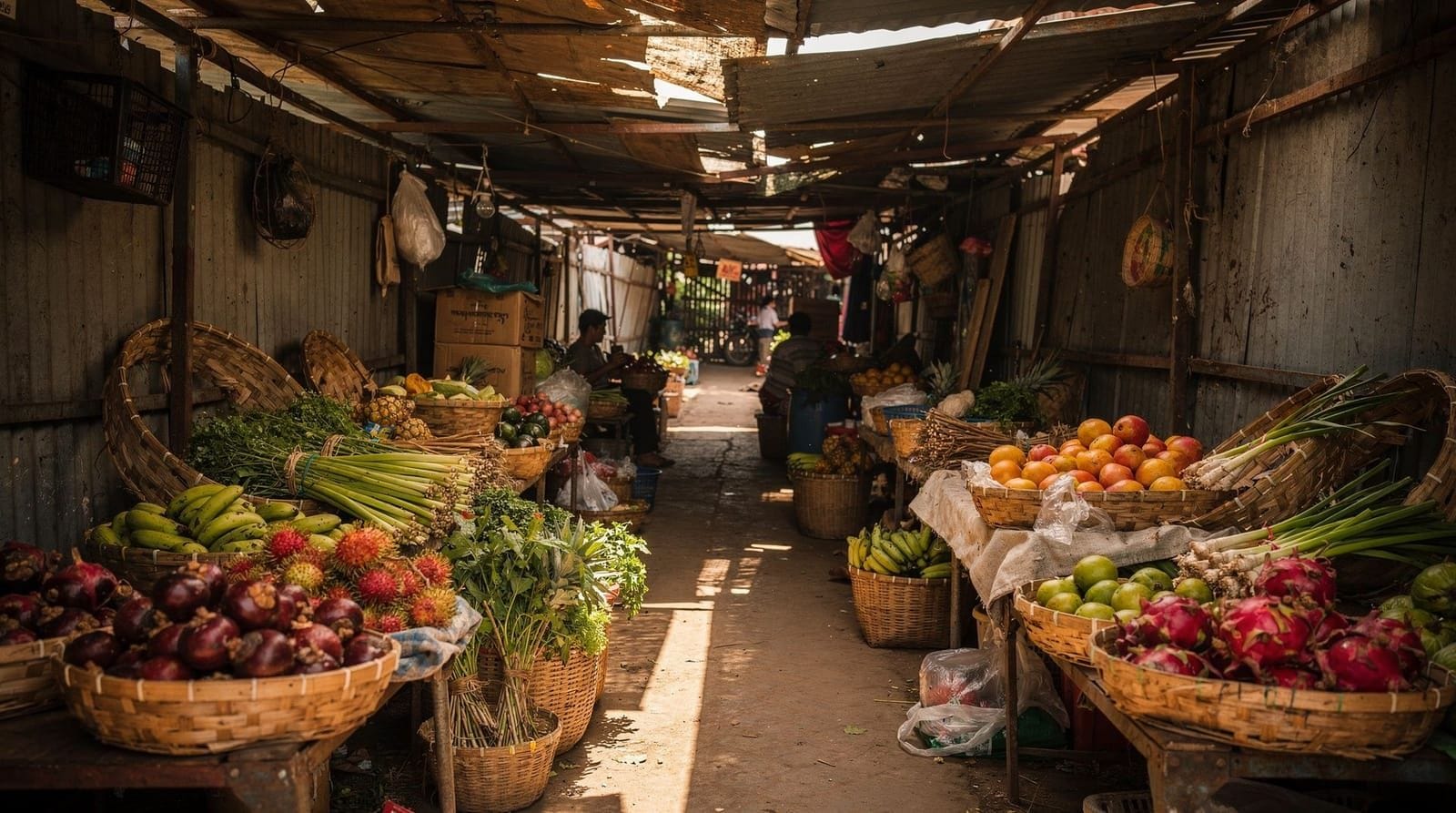
Most Siem Reap cooking classes follow the same basic structure: a market visit (usually Psar Leu or a smaller local market, sometimes the Old Market) to see and buy fresh ingredients, followed by 2.5-4 hours of hands-on cooking at a home kitchen, cooking school, or restaurant, producing 3-5 dishes that you then eat as lunch or dinner. It’s a genuinely useful activity, not just a tourist filler — understanding what kroeung is, how prahok is used, and why amok is steamed rather than simmered makes every Khmer meal you eat afterward easier to appreciate and order confidently. See our Khmer cuisine guide for the dishes themselves.
What you’ll typically cook
Classes vary by operator, but the core rotation is fairly consistent:
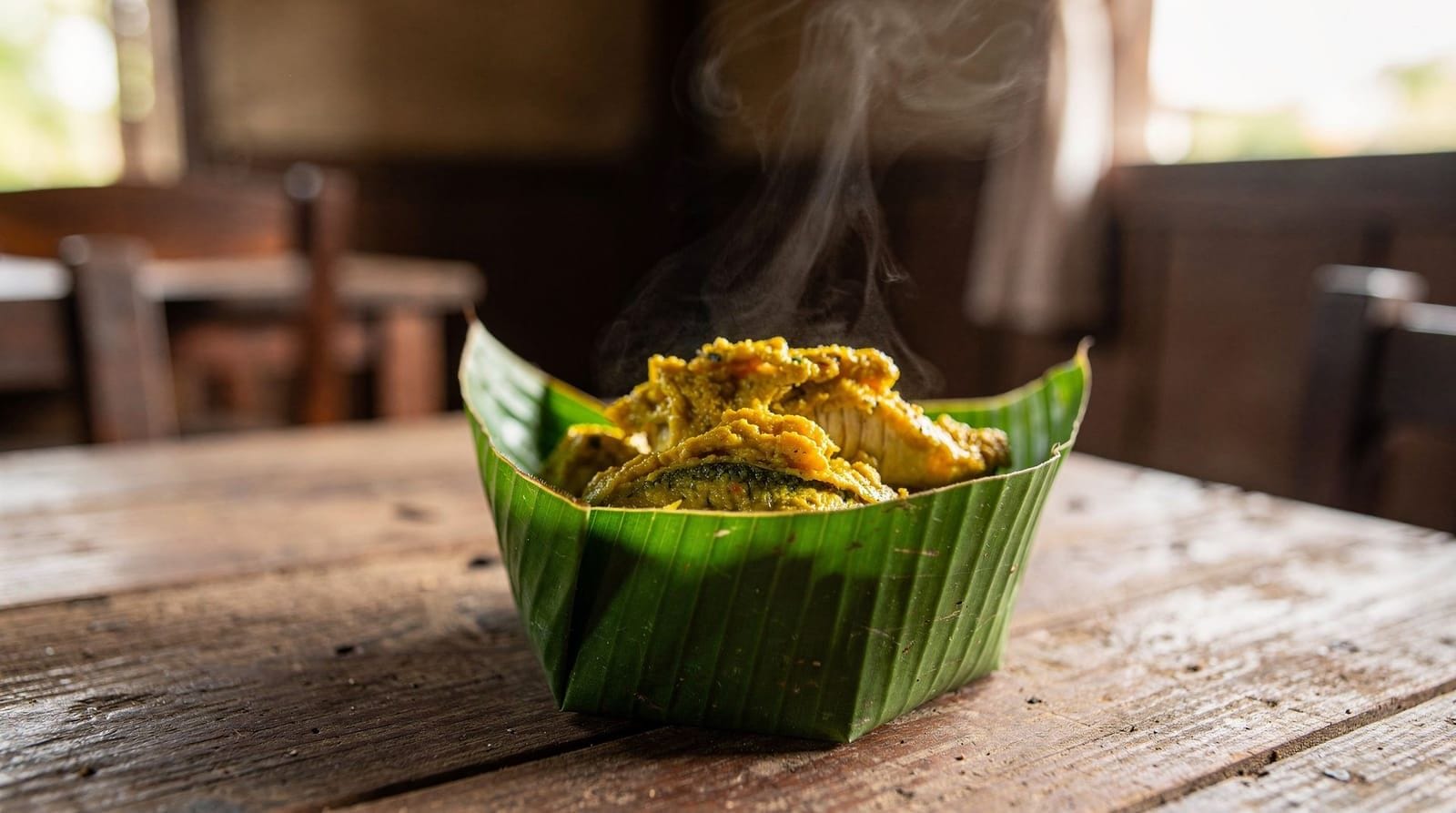
- Amok trey — steamed fish curry in kroeung and coconut cream, the dish every class teaches.
- Lok lak — stir-fried beef with a lime-pepper dipping sauce.
- Fresh spring rolls or a salad — often a green mango or banana flower salad.
- A soup — commonly a sour fish soup (samlor machu) or the vegetable-and-prahok samlor korko.
- Kroeung paste, made from scratch — pounding lemongrass, galangal, turmeric, garlic, and shallot with a mortar and pestle, which most classes treat as a highlight since it’s the base flavor of half the menu.
Some classes let you choose two or three dishes from a longer list rather than fixing the menu, which is worth asking about if you have dietary preferences or want to prioritize a specific dish.
Market visit vs. no market visit
The market-inclusive classes (market tour plus cooking) are worth the extra hour or two over a class that starts with pre-bought ingredients, because the market portion is where you actually learn to identify kroeung components, prahok, and the fish varieties used in amok — knowledge a plated ingredient tray doesn’t give you. It also doubles as a genuine cultural stop in its own right, distinct from the Old Market’s tourist-facing souvenir stalls (see our Old Market guide).
Book a hands-on cooking class with a market tour Join a Khmer cooking class and market tour in the Angkor areaHome kitchen vs. cooking school vs. restaurant setting
- A local’s home kitchen gives the most personal, small-group experience — often capped at 6-10 participants, sometimes cooking in an actual family kitchen rather than a purpose-built classroom. Expect a warmer, less polished setting but more direct interaction with your host.
- A dedicated cooking school offers more consistent equipment (multiple stations, proper ventilation) and a more structured, repeatable class format — a safer bet if you want reliability over intimacy.
- A restaurant-run class (some of the training restaurants mentioned in our restaurant guide run cooking classes alongside service) tends to be the most professionally run, with recipes refined for a wider range of visitor palates.
None is objectively better — it depends whether you want intimacy, consistency, or polish.
Book a Cambodian cooking class at a local’s homeHow to pick a genuinely good class over a filler one
Not every listed “cooking class” delivers hands-on cooking — some operators run a demonstration format where a chef cooks and you mostly watch and taste, which is cheaper but a different (and lesser) experience if you specifically want to cook yourself. A few signals separate the better operators from a rushed, tour-group version:
- Group size is stated upfront. Operators confident in their format publish a maximum group size (often 8-12); vague listings with no cap can mean a bus-tour-sized class where you barely touch a knife.
- You pound your own kroeung. This is the single best tell of a genuinely hands-on class — kroeung paste requires real mortar-and-pestle work, and skipping it (using a pre-made paste) is the easiest corner for an operator to cut.
- The market visit is a real market, not a staged stop. Psar Leu or another working local market, not a tourist-facing stall selling pre-bagged ingredients.
- You leave with a recipe. Printed or digital recipe cards are standard at better operators and a reasonable thing to ask about before booking if you want to cook the dishes again at home.
What to bring and wear
Closed-toe shoes are sensible near open flames and hot woks, though sandals are tolerated at most operators. Bring a change of shirt if you’re self-conscious about oil splatter, and expect to be on your feet, standing at a cooking station, for most of the class — not an issue for most visitors, but worth knowing if mobility is a concern. Sunscreen and a hat matter for the market portion if it runs during the midday heat; most operators schedule the market visit for morning or late afternoon specifically to avoid the worst of it.
Cooking classes as a rainy-day or midday-heat activity
Because cooking classes run indoors (aside from the market walk), they’re one of the better activities to schedule during the hottest hours of the day (roughly 11am-2pm) or during a rainy-season downpour, when temple-touring is at its least pleasant. If you’re visiting during the wet season (May-October, see our weather by month guide), building a cooking class into a day already split by weather is a practical way to use time that would otherwise be lost waiting out a storm.
Comparing the main formats
| Format | Group size | Best for | Typical price |
|---|---|---|---|
| Home kitchen, market included | 6-10 | Personal, authentic feel | $22-35 |
| Cooking school, market included | 8-15 | Consistency, equipment | $20-30 |
| Restaurant-run class | 6-12 | Polish, refined recipes | $25-40 |
| Private class (any format) | 1-4 | Flexibility, dietary needs, kids | $40-70 per person |
Pricing and what’s included
Expect $18-35 per person for a half-day class (3-4 hours) including market visit, ingredients, instruction, and the meal you cook as lunch or dinner. Hotel pickup and drop-off is included by most operators; confirm this when booking if your accommodation is outside the central area. Private classes (rather than a shared group) run higher, typically $40-70 per person for smaller groups. This is one of the better-value structured activities in Siem Reap relative to a similarly priced temple tour, since you leave with a meal, a recipe you can actually replicate, and typically a printed or digital recipe card.
A typical class, hour by hour
A representative morning class: pickup from your hotel around 8am, a 45-60 minute market visit at Psar Leu with your instructor pointing out kroeung ingredients, fish varieties, and produce while explaining what goes into each dish, then transfer to the kitchen. The next 2-2.5 hours are hands-on — pounding kroeung by hand in a mortar and pestle (the part most participants remember afterward), prepping vegetables, and cooking your 3-4 dishes in sequence, usually starting with the soup or salad and finishing with amok, which needs steaming time. You eat what you’ve cooked as a shared lunch around midday, then get dropped back at your hotel by early afternoon — freeing the rest of the day for temples or rest during the hottest hours.
Cooking classes with kids
Several operators run family-friendly versions with simplified tasks (rolling spring rolls, mixing rather than chopping) suitable for children from around age 6-7 upward, and it’s a genuinely good rainy-day or midday-heat activity for families rather than another temple walk in the sun. Ask specifically about a family or kid-friendly format when booking, since a standard adult class with sharp knives and an open flame isn’t automatically set up for younger children. See our Siem Reap with kids guide for how this fits into a family itinerary.
Group size and language
Group classes typically run 4-12 participants; ask about group size before booking if you want a more personal experience, since a larger class means less one-on-one instruction time per dish. Instruction is in English at virtually every tourist-facing class, often with the instructor also speaking French or Chinese given Siem Reap’s visitor mix — but confirm if you need a specific language.
Dietary accommodations
Vegetarian and vegan versions of the standard menu (tofu instead of fish or meat, no fish sauce, no prahok) are available at most operators if requested when booking, not on arrival — Khmer cooking’s base flavorings rely on fish products by default, so a kitchen needs advance notice to swap them out properly rather than improvising on the spot. Gluten-free is straightforward since the cuisine is rice-based rather than wheat-based; note this only matters for soy sauce substitutions in a few dishes.
Is it worth combining with a street food tour?
They serve different purposes and pair well on separate days rather than the same one: a cooking class teaches you to make a small set of dishes well, while a street food tour (see our street food guide) exposes you to a much wider range of dishes you’ll never cook yourself, like num banh chok or bai sach chrouk, which are traditionally market and street-vendor food rather than home-cooked. If you only have one evening, prioritize whichever matches your interest — hands-on skill versus breadth of tasting.
When to book
Cooking classes run daily at most operators, morning or afternoon/evening sessions, and rarely sell out except in peak season (November-March) at the more popular home-kitchen operators with small group caps. Booking a day or two ahead is usually enough; same-day availability is common outside peak season.
Frequently asked questions about Siem Reap cooking classes
How long does a Siem Reap cooking class take?
Most run 3-4 hours including a market visit, hands-on cooking, and eating the meal you prepared. Shorter classes without the market component run closer to 2-2.5 hours.
What dishes will I cook?
Amok trey (steamed fish curry) and lok lak (stir-fried beef) appear in almost every class, usually alongside a salad or spring rolls and a soup. Some operators let you choose dishes from a longer menu.
Is a cooking class worth it if I don’t cook at home?
Yes — the value isn’t really about replicating the recipes later, it’s about understanding the base ingredients (kroeung, prahok) and techniques (steaming vs. stir-frying) that define Khmer food, which makes every subsequent restaurant or street food meal easier to navigate and appreciate.
Can vegetarians take a Khmer cooking class?
Yes, if you request it when booking — most operators will substitute tofu and skip fish sauce and prahok, but this generally needs advance notice rather than an on-the-spot swap.
Do cooking classes include a market visit?
Many do, and it’s worth prioritizing those over ingredient-only classes — seeing kroeung components, prahok, and fresh fish at a real market (usually Psar Leu) adds real context that a pre-set ingredient tray doesn’t.
How much does a cooking class cost in Siem Reap?
$18-35 per person for a standard half-day group class including market visit, ingredients, and the meal; private classes run $40-70 per person.
Do I need to book in advance?
A day or two ahead is usually sufficient, though the smaller home-kitchen classes with capped group sizes can fill up during peak season (November-March).
Is hotel pickup included?
Most operators include pickup and drop-off within the central Siem Reap area — confirm this at booking if you’re staying somewhere more remote.
Is a demonstration class the same as a hands-on class?
No — a demonstration class has the chef cooking while you watch and taste, which is cheaper and faster but not what most people mean by a “cooking class.” If hands-on cooking matters to you, confirm the format explicitly before booking, since listings don’t always make this clear.
What’s the difference between a cooking class and just eating at a Khmer restaurant?
A restaurant meal (see our restaurant guide) gets you the finished dish; a cooking class gets you the process — why kroeung is pounded rather than blended, why amok is steamed, how much prahok actually goes into a dish versus how it smells on its own. If you’re only in Siem Reap briefly, a good restaurant meal is the faster way to eat well; a cooking class is the better choice if understanding the food matters as much as eating it.
Top experiences
Bookable activities with verified prices and instant confirmation on GetYourGuide.


More tours on Viator
Top-rated experiences with verified reviews, bookable on Viator (a Tripadvisor company).