Best time to visit Siem Reap: choosing your month
Siem Reap: Angkor Wat Sunrise Small-Group Tour
What is the best time to visit Siem Reap?
November through March is the best overall window — dry, cooler (20-31°C), and the classic clear-sky conditions for temple photos, but also peak season with the highest hotel prices and the heaviest sunrise crowds, especially December-January. For fewer crowds and lower prices at the cost of afternoon rain and higher humidity, June through September is the better trade; April-May is the hottest and generally the least comfortable window.
There’s no single “best” month — only trade-offs
This is a decisional guide, not a month-by-month weather reference (that’s the companion weather by month guide). The question worth answering isn’t “when is Siem Reap objectively best,” it’s “which trade-off matches what I actually want from the trip” — comfortable dry weather at the cost of crowds and price, or quiet green temples at the cost of some rain. Both are genuinely valid choices, and this guide is built to help you pick the right one for your priorities rather than defaulting to “everyone says November-March” without understanding what that recommendation is actually trading away.
If comfort and clear skies matter most: November-March
This is the dry season, and it’s the default recommendation for good reason — daytime highs run 20-31°C, humidity is noticeably lower than the rest of the year, and rain is rare enough that outdoor plans rarely need a backup. It’s the easiest window for full, back-to-back temple days without weather interruption, and it produces the classic clear-sky photos most people associate with Angkor Wat.
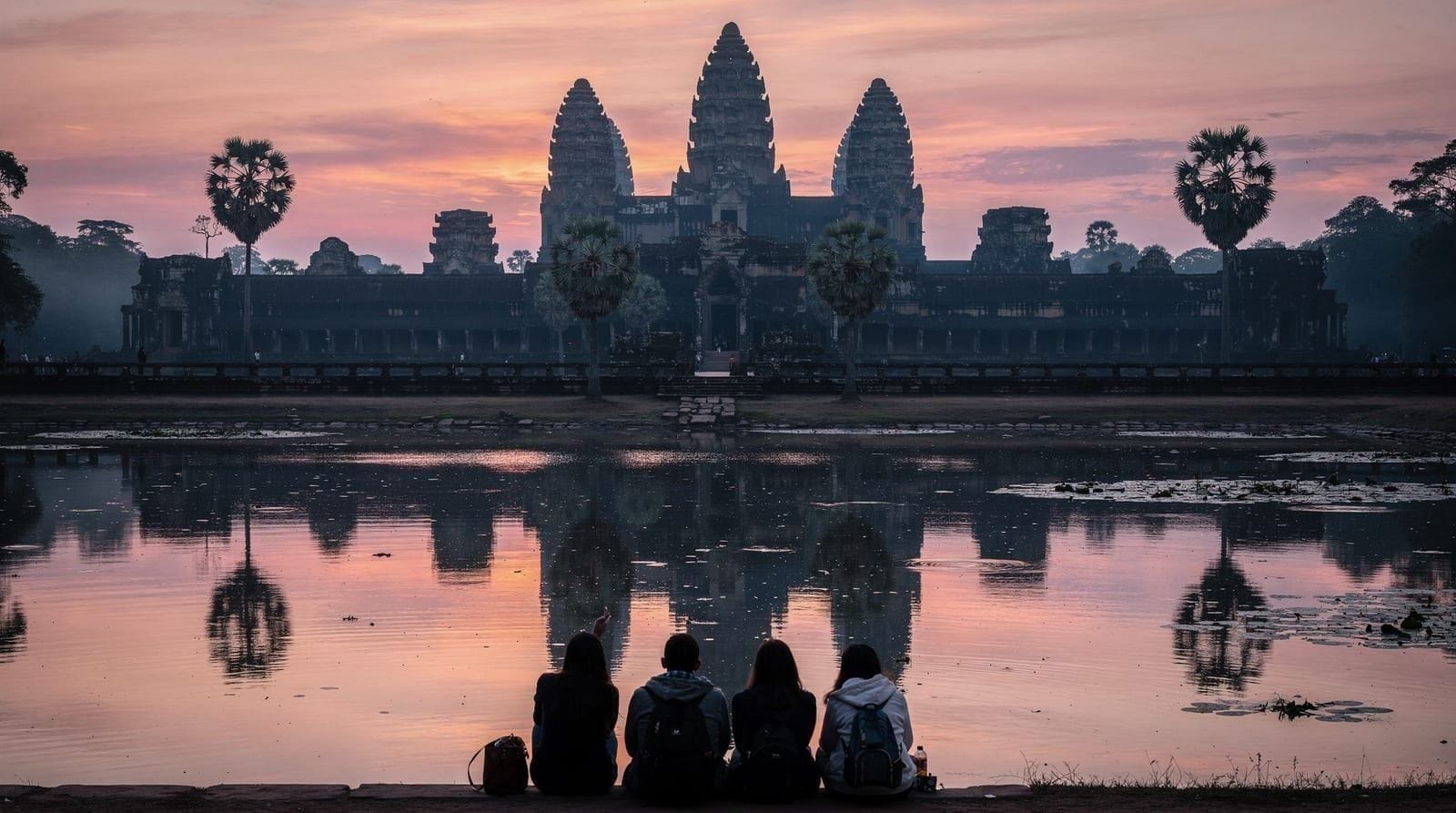
The cost of this comfort: December and January specifically are peak season in every sense — the highest hotel prices of the year, and the heaviest crowds at Angkor Wat’s sunrise viewpoints, where the reflection pools can be genuinely packed with tripods and phones by 5:15am. February and March ease slightly on both crowds and heat as the season progresses toward the hot months, often striking travelers as the better-value tail end of the dry season window.
Best for: first-time visitors prioritizing reliable weather and full-day sightseeing without rain planning, travelers who don’t mind paying peak prices and sharing the sunrise view, and anyone visiting specifically for photography who wants dependable clear skies.
If crowds and price matter most: June-September
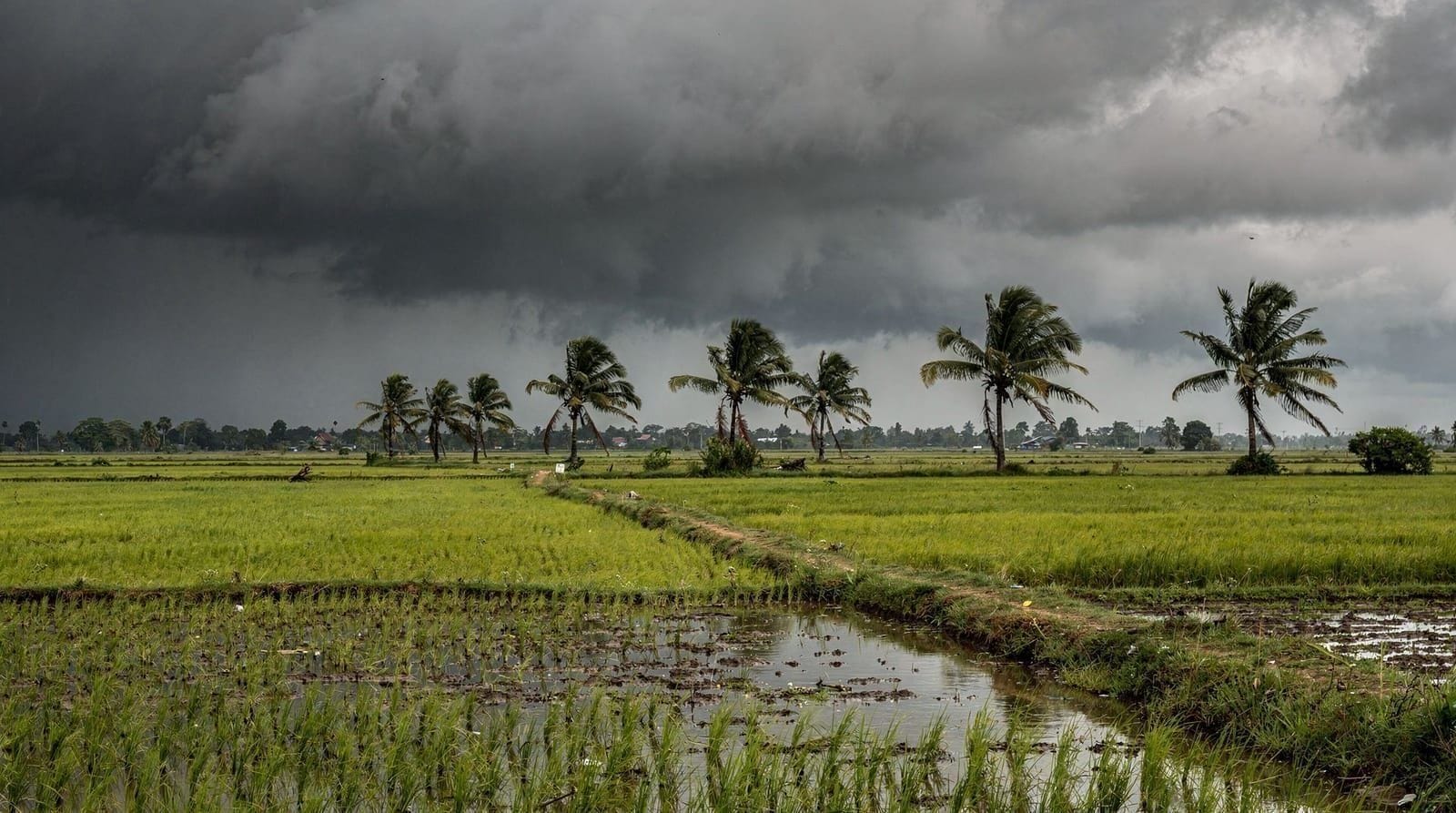
The core rainy season trades weather predictability for genuinely thinner crowds and meaningfully lower prices — hotel rates commonly drop 25-40% below December-January peak rates, and temple sites that feel crowded in December can feel almost quiet by comparison in July or August. Rain in Siem Reap’s wet season is typically an afternoon event — heavy downpours for an hour or two, rarely an all-day washout — which means mornings (already the best temple-visiting window regardless of season) are frequently dry even at the height of the rains.
The cost of this value: higher humidity throughout, the need to build a rain layer and flexible afternoon plans into every day, and a handful of dirt-road outlier temples (parts of Koh Ker, Phnom Kulen’s access road) that can become briefly harder to reach after the heaviest rain, particularly in September, the wettest month of the year (~286mm, around 18 rain days).
What you gain visually: lush green surroundings replace the dry season’s browner landscape, and Angkor’s moats and reflection pools — which can run low or partially dry by the end of the dry season — are at their fullest and most photogenic, an underrated advantage of visiting in the rains that dry-season-only marketing tends to leave out.
Best for: budget-conscious travelers, photographers wanting fuller water features and greener frames, repeat visitors who’ve already done the peak-season version, and anyone who genuinely prefers a quieter, less crowded Angkor Wat sunrise even if it means a chance of afternoon rain that day.
If you’re set on April or May specifically
April and May are the hottest months — highs of 35-39°C+, still largely dry until the rains build toward the end of May. This is the least comfortable window on paper, but it does carry two specific advantages: crowds thin out meaningfully mid-month as the heat deters some visitors, and Khmer New Year (mid-April, roughly 14-16 April in 2026) brings a genuinely festive, local-facing atmosphere to town, with water-throwing celebrations and a livelier social scene than any other time of year — worth experiencing if you don’t mind the heat, though be aware some local businesses close for several days around the holiday itself, so confirm restaurant and shop hours in advance if visiting during this specific week.
Best for: travelers whose only available window is April-May, anyone specifically wanting to experience Khmer New Year, and heat-tolerant visitors willing to trade comfort for lower crowds and lower prices than peak dry season.
Matching the season to what you want to see
- Sunrise at Angkor Wat with the classic reflection-pool photo, minimal crowd competition: shoulder months (February-March, or October-November) balance decent weather with lighter crowds than peak December-January. A guided sunrise tour helps regardless of season by securing a good viewing position early.
- Tonlé Sap floating villages at their most dramatic: visit from around mid-August onward, when Kompong Phluk’s full floating-village character becomes visible as water levels rise through the wet season — a floating village half-day tour is best timed for this window rather than the driest months, when water levels are lower.
- Lush green temple photography: June-September, once the rains have greened the landscape but before the very wettest, most logistically disruptive weeks of September itself.
- The most reliable weather for a tightly scheduled short trip: December-February, accepting the crowd and price trade-off in exchange for minimal risk of a rained-out day.
If you can’t choose your dates
Many travelers don’t have full flexibility — a fixed work schedule, school holidays, or a group trip locks in a window regardless of what’s “ideal.” If that’s your situation, the more useful question isn’t “when should I go” but “what should I adjust given when I’m going”:
- Locked into peak season (December-January)? Book accommodation and any private guide well in advance — the best boutique properties and popular guided sunrise slots do sell out. Consider a slightly later sunrise arrival (still before the main crowd peak but avoiding the absolute earliest, most competitive minutes) or prioritize a less-photographed viewpoint over the main reflection pool.
- Locked into rainy season (May-October)? Build flexibility into afternoon plans rather than fixed bookings, pack accordingly (see the packing guide), and consider front-loading outlier temple visits (Koh Ker, Phnom Kulen) earlier in your trip in case a later date needs to shift due to road conditions after heavy rain.
- Locked into the hot season (April-May)? Shift your schedule to front-load activity into the early morning and treat afternoons as a rest window by default rather than an occasional adjustment — plan indoor or shaded activities (a cooking class, a museum visit, the Old Market) for the hottest hours rather than fighting the heat with an outdoor itinerary.
In practice, Siem Reap is visitable comfortably in every month of the year with the right adjustments — there is no genuinely “bad” month to skip entirely, only months that require different planning.
Why generic Southeast Asia seasonal advice doesn’t quite fit here
Broad “best time to visit Southeast Asia” content often treats Cambodia’s dry season as an unambiguous, universally-better choice, the way it might be for a beach-focused itinerary in Thailand or Vietnam. That framing undersells two Siem Reap-specific factors: first, the temples themselves are largely weather-resilient stone structures, unlike a beach trip where rain more directly ruins the point of the visit — a rain-interrupted afternoon at Angkor still leaves a full, comfortable morning of temple time, whereas a rained-out beach day is more completely lost.
Second, the reflection pools and moats that make Angkor Wat photographs so recognizable are actually at their best with more water, not less — meaning the “worse” weather season produces, in this one specific respect, more photogenic conditions than the dry months most generic advice defaults to recommending. Neither point argues against the dry season as the safer overall choice — it remains the right call for most first-time visitors — but it’s worth knowing the rainy-season trade-off is more nuanced here than a blanket “avoid the rains” rule would suggest.
How season interacts with trip length
Shorter trips (1-3 days) carry more weather risk in the rainy season simply because there’s less schedule flexibility to shift a rained-out afternoon to another day — if you only have one shot at the grand circuit and it rains that specific afternoon, there’s no buffer day to reschedule. Longer trips (5-7 days, see how many days you need) absorb weather disruption far more comfortably, since a single rained-out afternoon among many available days barely registers.
This is worth factoring into the season decision alongside trip length: a tightly scheduled 2-day trip favors the more weather-predictable dry season considerably more than a relaxed week-long stay does, where the rainy season’s crowd and price advantages can be enjoyed with much lower schedule risk.
A quick decision framework
- Is this a once-in-a-lifetime trip where you don’t want any weather risk? → November-March, ideally December-February.
- Are you budget-conscious or trying to avoid crowds specifically? → June-September, ideally avoiding the very wettest weeks of September if outlier temples are a priority.
- Do your travel dates only allow April-May? → Go anyway, adjust pacing for heat, and consider timing around Khmer New Year if the dates align.
- Want the best overall balance of weather, crowds and price? → The shoulder months, October-November or February-March, tend to be the most underrated windows — decent weather without either peak-season crowds or peak-rain disruption.
For the exact month-by-month conditions behind these recommendations — rainfall, temperature ranges, and specific festival dates — see the full weather by month reference.
Season by traveler type, at a glance
| Traveler type | Best window | Why |
|---|---|---|
| First-timer, tight schedule, wants reliability | December-February | Lowest weather risk, classic clear-sky conditions |
| Budget-conscious, flexible schedule | June-September | 25-40% lower hotel rates, thinner crowds |
| Photographer wanting green landscapes and full pools | July-September | Lush surroundings, fullest moats and reflection pools |
| Repeat visitor wanting a quieter Angkor Wat sunrise | Any rainy-season month, or October-November shoulder | Meaningfully lighter crowds than December-January |
| Wants Khmer New Year atmosphere, tolerates heat | Mid-April | Festive, local-facing celebration, thinner crowds mid-month |
| Combining with Battambang or Phnom Penh, wants dry roads throughout | November-March | Lowest risk of rain-affected rural or dirt-road travel |
This table is a starting point, not a rule — plenty of satisfying trips happen outside a traveler’s “ideal” window listed here, since the adjustments described throughout this guide (pacing, packing, flexible afternoons) make every month workable with the right expectations set in advance.
Frequently asked questions about Best time to visit Siem Reap
What is the single best month to visit Siem Reap?
December and January offer the best combination of dry weather, cooler temperatures (20-31°C) and low humidity — the most comfortable conditions for full days of temple walking. The trade-off is that these are also the two most crowded and most expensive months of the year, with the heaviest sunrise crowds at Angkor Wat.Is it worth visiting in the rainy season?
Yes, for the right traveler — May through October brings noticeably thinner crowds, lower hotel prices, lush green surroundings, and full moats and reflection pools at their most photogenic. The trade-offs are afternoon downpours (rarely all-day rain), higher humidity, and a few dirt-road outlier temples like Koh Ker that can be briefly harder to reach after heavy rain.Should I avoid April and May entirely?
Not necessarily, but go in with realistic expectations — April and May are the hottest months, with highs of 35-39°C+ and still largely dry conditions. Early starts and a slower pace matter even more than usual. April also includes Khmer New Year (mid-April), a major domestic holiday when some local businesses close for several days.When are hotel prices lowest?
June through September, the core of the rainy season, sees the lowest hotel prices of the year, often 25-40% below peak December-January rates. September is typically both the wettest and the cheapest month.Does the season affect which temples I can visit?
Mostly not — the main circuit temples (Angkor Wat, Bayon, Ta Prohm, the grand circuit) are accessible year-round with paved or well-maintained access roads. The exception is a few dirt-road outlier sites, particularly parts of Koh Ker and Phnom Kulen, which can become briefly harder to reach after heavy rain in September, the wettest month.Should I plan around any festivals?
Khmer New Year (mid-April, 2026 dates roughly 14-16 April) is Cambodia's biggest domestic holiday — expect closures at some local businesses and a livelier, more local atmosphere in town. Pchum Ben (an ancestor-honoring festival, main day in September 2026, with some sources placing part of the window into early October) drives domestic family travel. The Water Festival (Bon Om Touk, 2026: 23-25 November) is centered mainly in Phnom Penh but is worth knowing about if combining both cities.
Top experiences
Bookable activities with verified prices and instant confirmation on GetYourGuide.


More tours on Viator
Top-rated experiences with verified reviews, bookable on Viator (a Tripadvisor company).