Siem Reap beyond the temples: what to do once you've 'done' Angkor
By my third trip to Siem Reap, I’d genuinely seen the temples I cared about seeing — Small Circuit, Grand Circuit, Banteay Srei, both outlier day trips. I still had four days left and no interest in a fourth pass through Ta Prohm. This is what filled that time, and honestly, some of it ended up more memorable than the ruins.
The countryside itself
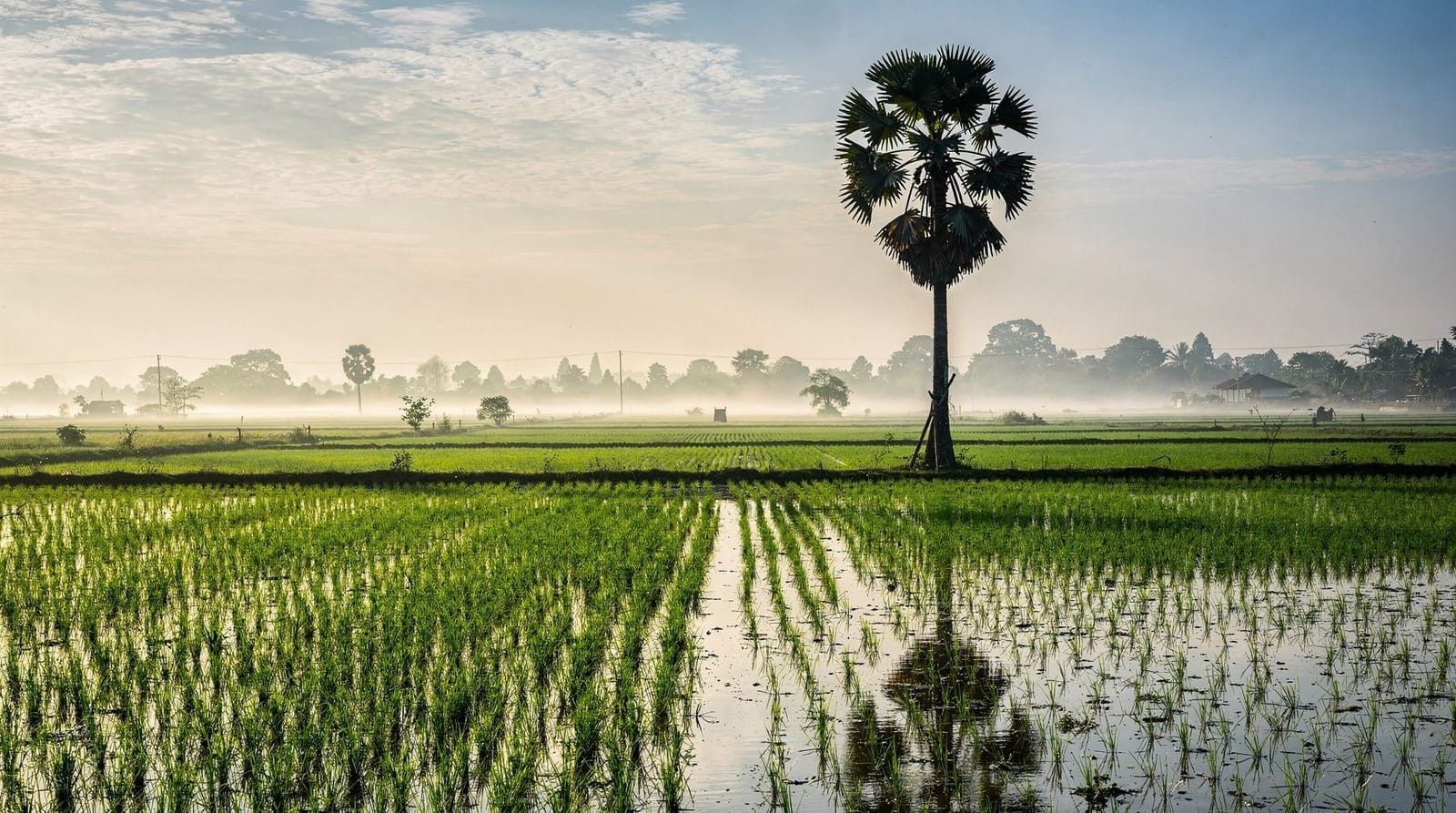
Most visitors experience the road between town and the temples as a transit corridor, not a destination. It’s worth treating it as one. Rice paddies, small villages, sugar palm trees, roadside stalls selling palm sugar candy and grilled bananas — a half-day countryside excursion by tuk-tuk, bike, or quad bike gives a version of rural Cambodia that the temple circuit doesn’t show you at all. The countryside and rice fields guide covers a few specific routes worth taking, and dry season (roughly November-May) gives easier road conditions than the wetter months for this kind of exploring.
Try a countryside quad bike tour through the villagesKompong Khleang over the more famous villages
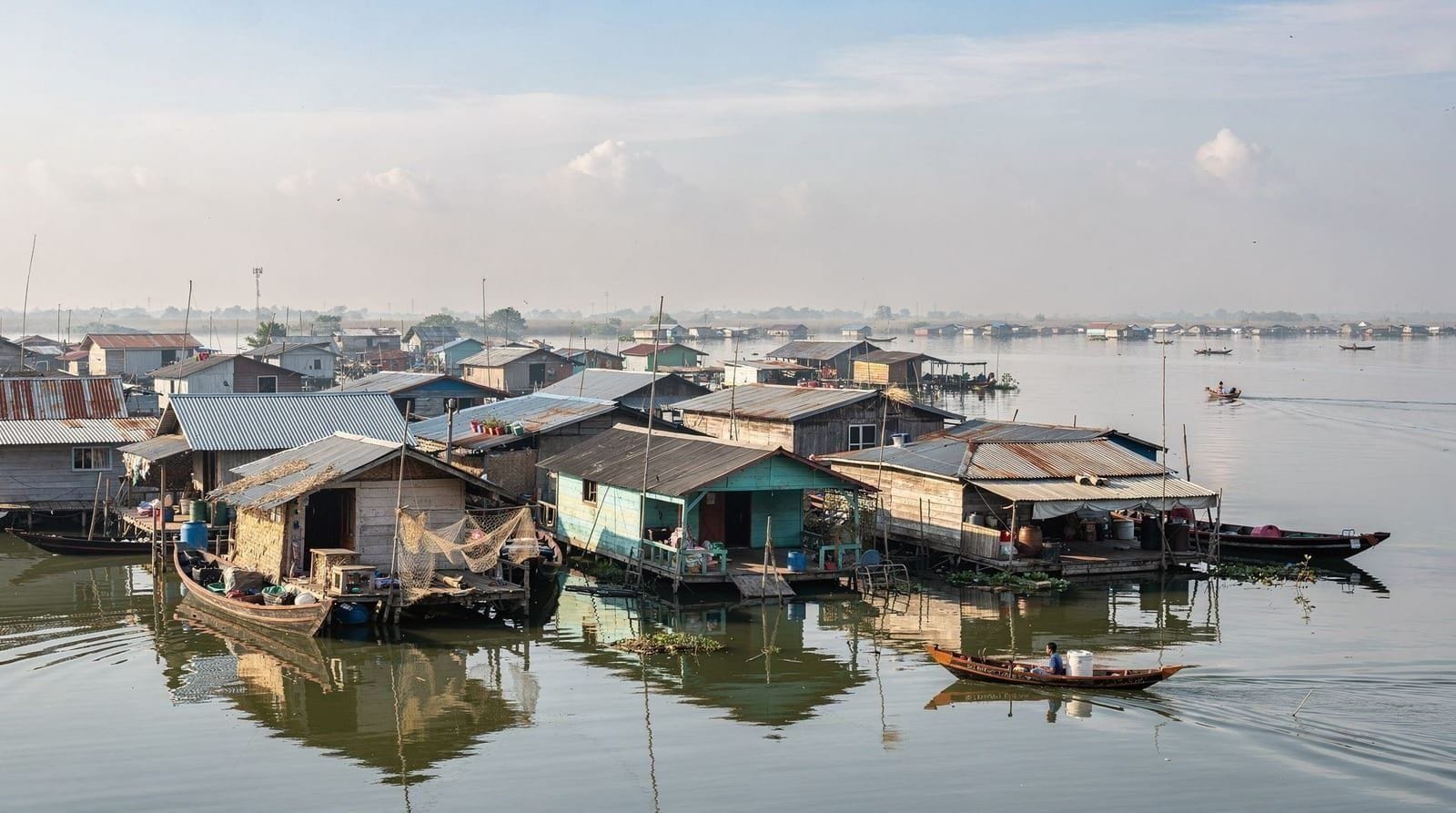
If you’ve already done a floating village — most first-time visitors default to Chong Kneas or Kompong Phluk — Kompong Khleang is the one worth adding on a return trip. It’s further out (roughly 1-1.5 hours each way), which keeps the crowds thin, and it’s a genuinely larger, more lived-in stilt community than either of the closer options, without the concentrated tourist-boat economy that’s grown up around Chong Kneas specifically. See which floating village to visit for the honest three-way comparison.
Book a full-day Kompong Khleang floating village tourBattambang
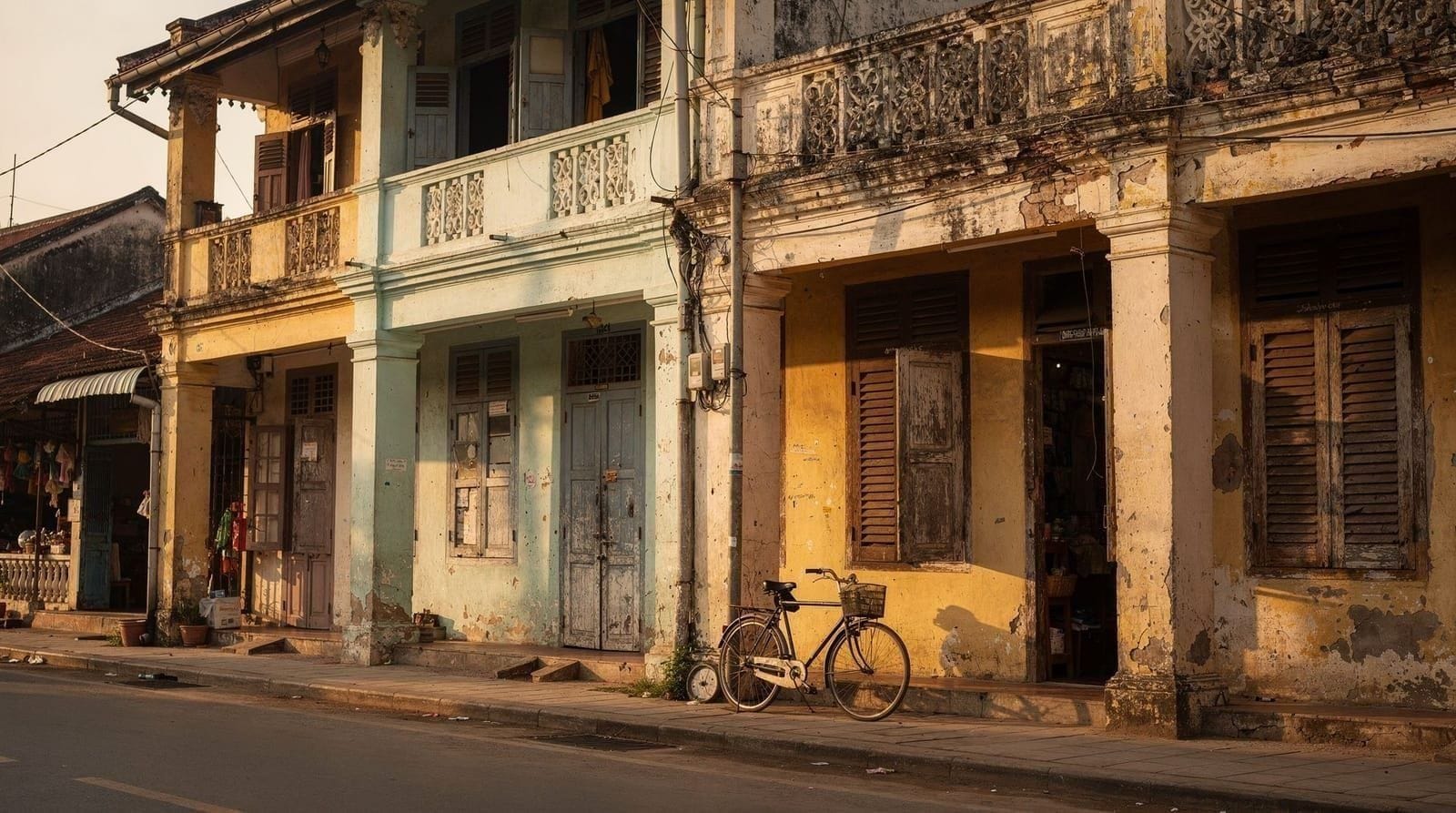
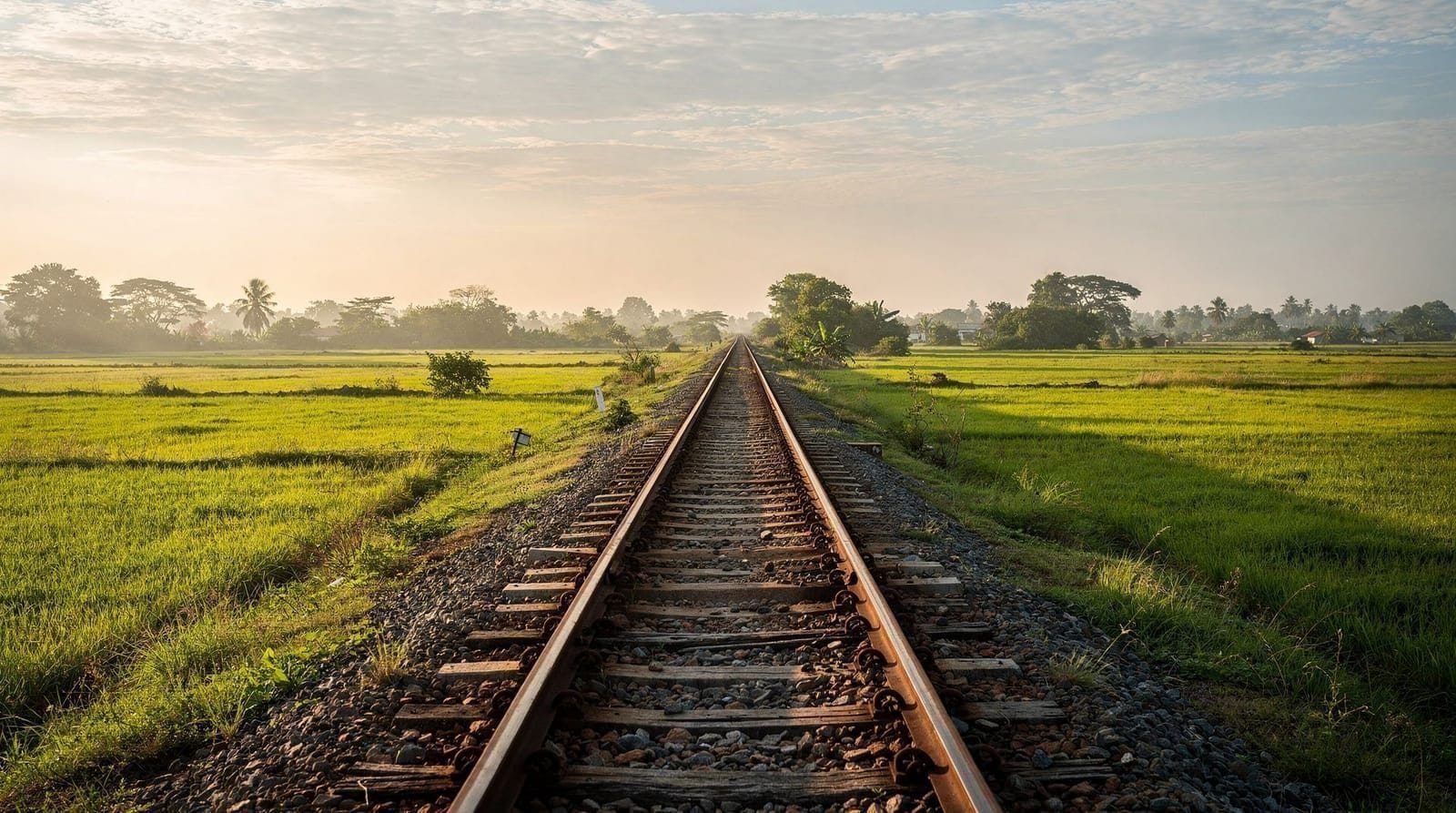
This is the single best “beyond the temples” move if you have a spare day or two. A colonial-era riverside town roughly 3-4 hours from Siem Reap by road, Battambang has none of Angkor’s crowds and a genuinely different character — French colonial shophouse architecture, a low-key old town worth just walking through, and the well-known bamboo train (a repurposed rail cart on the old track, since converted into a short scenic ride) alongside the Killing Caves, a sobering Khmer Rouge-era site worth visiting with context rather than rushing through.
It works as a long day trip or, better, an overnight if your schedule allows it. The Battambang day trip guide and the combined Siem Reap and Battambang 4-day itinerary cover the logistics both ways.
See a private full-day Battambang tour with the bamboo trainA cooking class that goes further than a hotel kitchen
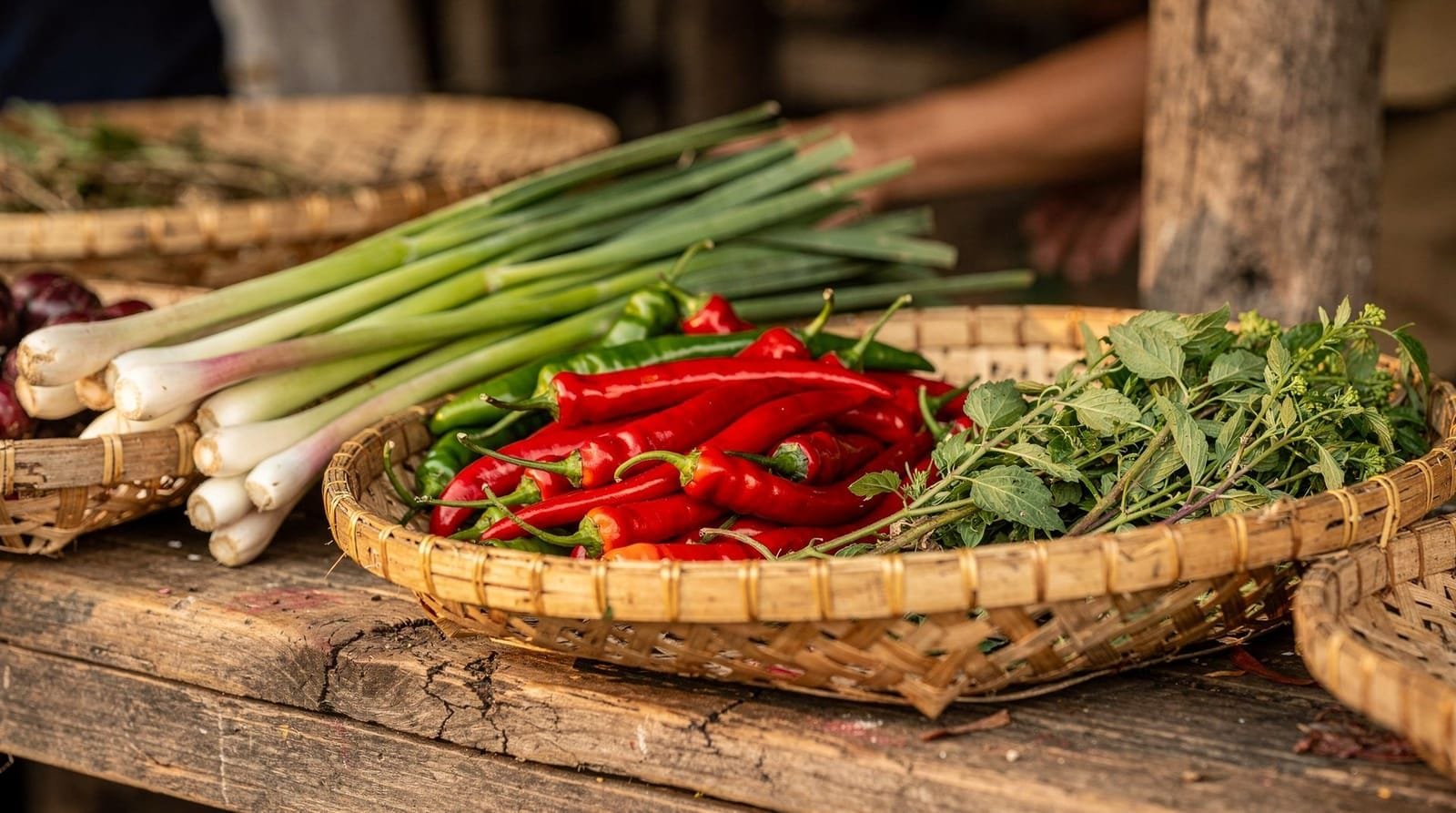
The better Siem Reap cooking classes now build in a market visit and, in some cases, a countryside or rural-village component — picking ingredients, sometimes visiting the farm or garden they came from, before the actual cooking. It’s a genuinely different experience from a hotel-kitchen demo class, and it doubles as a low-key way to see rural life without a dedicated countryside excursion. The cooking classes guide flags which operators include this versus which are a straightforward kitchen session.
Craft villages and workshops
Beyond the well-known Angkor circuit, small craft workshops around the wider Siem Reap area — silk weaving, stone and wood carving traditions tied to the same craftsmanship that built the temples — offer a quieter, hands-on counterpoint to a day of ruins. These aren’t heavily marketed the way temple tours are, and they’re genuinely worth asking a driver or guesthouse about directly rather than expecting to find them through a standard tour listing.
What I’d skip, even on a longer trip
Not everything billed as a “beyond the temples” experience is worth the detour. Elephant riding operations, wherever advertised, are worth avoiding on animal-welfare grounds regardless of how the tour is marketed — there are ethical elephant sanctuary visits (observation-based, no riding) that are a genuinely different proposition, and worth distinguishing clearly before booking anything with “elephant” in the name. Similarly, informal “orphanage visits” advertised to tourists are a well-documented problem in Cambodia specifically — legitimate childcare organizations don’t run drop-in tourist visits, and any operator offering one should be treated as a red flag, not a cultural add-on.
How to actually fit this in
If you’ve got 5+ days total, the realistic split is 2-3 days on the core temple circuit and 2+ days on everything above — Battambang alone justifies an extra day if you can spare it, and it pairs naturally with a countryside morning or a Kompong Khleang half-day on either side. The 5-day itinerary and 7-day itinerary both build this kind of balance in rather than treating every day as another temple.
Frequently asked questions about Siem Reap beyond the temples
Is Battambang worth a day trip from Siem Reap?
Yes, especially if you’ve already covered the main Angkor circuit — it’s a genuinely different, quieter town roughly 3-4 hours away, with the bamboo train and colonial architecture as the main draws.
Which floating village is best for a second visit?
Kompong Khleang, for travelers who’ve already seen Chong Kneas or Kompong Phluk and want a larger, less tourist-dense village further from town.
Are elephant rides available near Siem Reap, and should I do one?
They’re advertised, but should be avoided on animal-welfare grounds. Look specifically for observation-based sanctuary visits with no riding component if elephants are a priority.
How many extra days should I budget for “beyond the temples” activities?
At least 2 full days if Battambang is included, or 1 day if you’re sticking closer to Siem Reap with a countryside excursion and a further-out floating village.
More tours on Viator
Top-rated experiences with verified reviews, bookable on Viator (a Tripadvisor company).