I cycled the Small Circuit at Angkor. Here's what a bike actually gets you
Renting a bike to see Angkor sounds romantic in every travel blog post about it — quiet mornings, wind in your face, the freedom of your own pace. I did it once, on my third trip, and I want to give you the version that accounts for what a tropical morning actually does to a body on a bicycle, because the romantic version leaves out some genuinely important logistics.
The real distances
The Small Circuit — Angkor Wat, Angkor Thom (Bayon, Baphuon, the Elephant Terrace), Ta Prohm, and back — covers roughly 17-20 km depending on your exact route and any detours. That’s entirely doable on a bike in terms of raw distance for anyone with reasonable fitness. It’s not a long ride by cycling standards. The Grand Circuit adds another 10+ km on top, which changes the calculation considerably — see the distance breakdown in the Small Circuit vs Grand Circuit guide. For a single day, the Small Circuit is the realistic cycling target; trying to add Grand Circuit temples by bike on the same day is a genuinely hard day, not a moderate one.
What the heat actually does to that plan
Distance isn’t the limiting factor. Heat is. Even in the “cool” dry season (November-March), temperatures climb into the low 30s°C by mid-morning, and there’s minimal shade on the roads connecting the temples. By April-May, with highs of 35-39°C, cycling the full circuit in the middle of the day is genuinely risky, not just uncomfortable. The workable strategy is starting very early — ideally right after the temples open, before 7 AM — and being done with the riding portion by 10-10:30 AM, well before the heat peaks. If you’re not a habitual cyclist in hot climates, don’t underestimate how much slower and more draining this feels compared to cycling somewhere temperate.
Where to actually rent
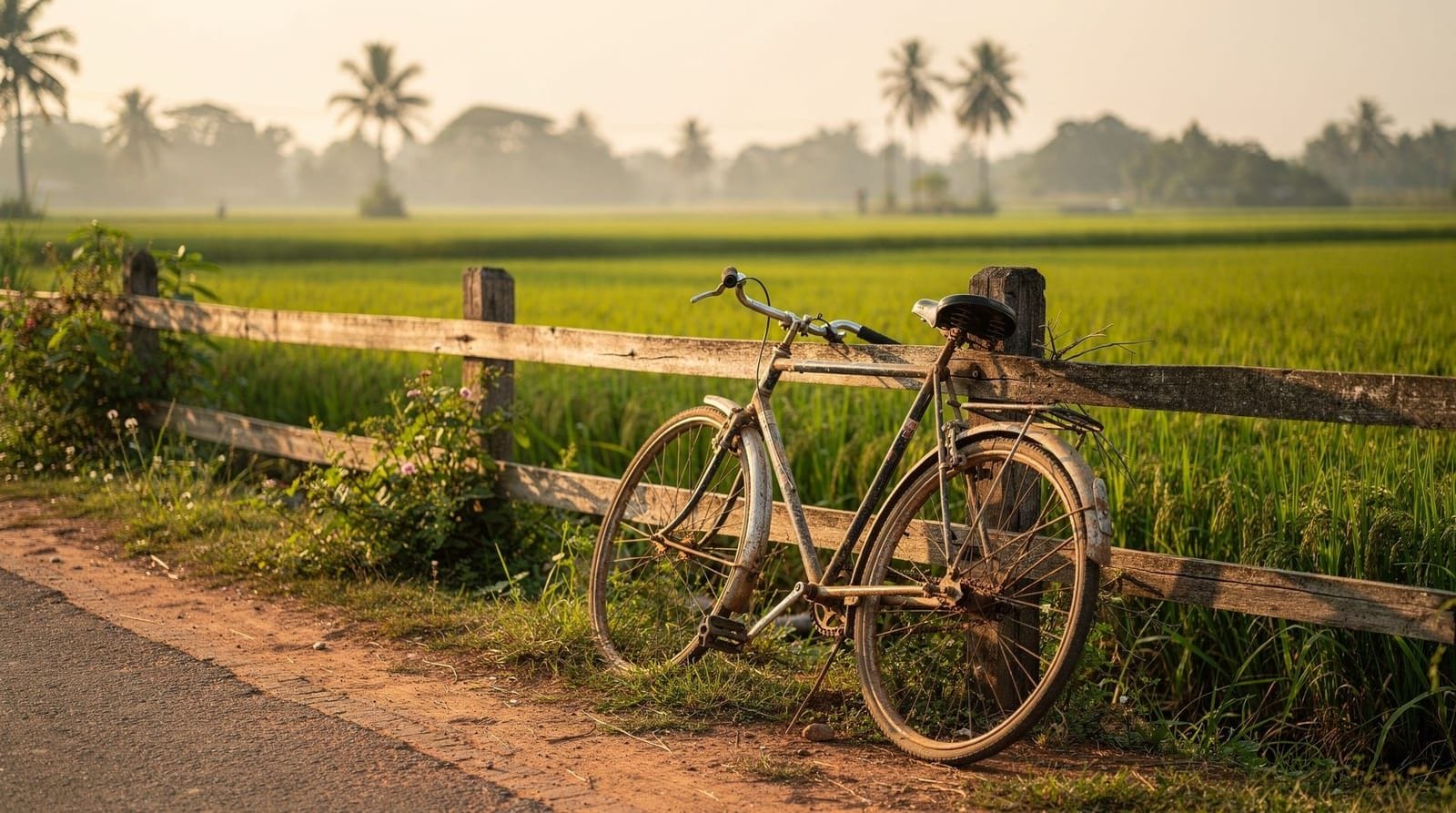
Bike rental shops cluster around the Old Market area and along the road toward the park entrance, with basic single-speed or hybrid bikes running $2-5 a day and better-maintained mountain or hybrid bikes a bit more. E-bikes have become a real alternative in the past couple of years — meaningfully more expensive to rent (often $10-20 a day) but they flatten the heat and distance problem considerably, since you’re not generating the same body heat pedaling unassisted.
If your main hesitation about cycling is the physical effort rather than wanting the exercise, an e-bike genuinely changes the calculation. The bicycle and scooter rental guide has current shop recommendations and what to check on a rental bike before you leave the shop.
Try a guided e-bike sunrise tour instead of renting soloWhat’s realistic and what isn’t
Realistic: cycling the Small Circuit at a relaxed pace with stops at each major temple, starting early, done by late morning, with a rest day or a non-cycling afternoon afterward. Also realistic: a shorter loop covering just Angkor Wat and Angkor Thom if the full circuit feels like too much for a first attempt. Not realistic, in my experience and in what I’ve watched other travelers attempt: doing the Small Circuit by bike in the afternoon heat, doing Small plus Grand Circuit by bike in a single day, or cycling the rutted, unpaved approach roads to Beng Mealea or Koh Ker — those routes are a different proposition entirely and better handled by tuk-tuk or car regardless of how strong a cyclist you are.
Traffic and road conditions
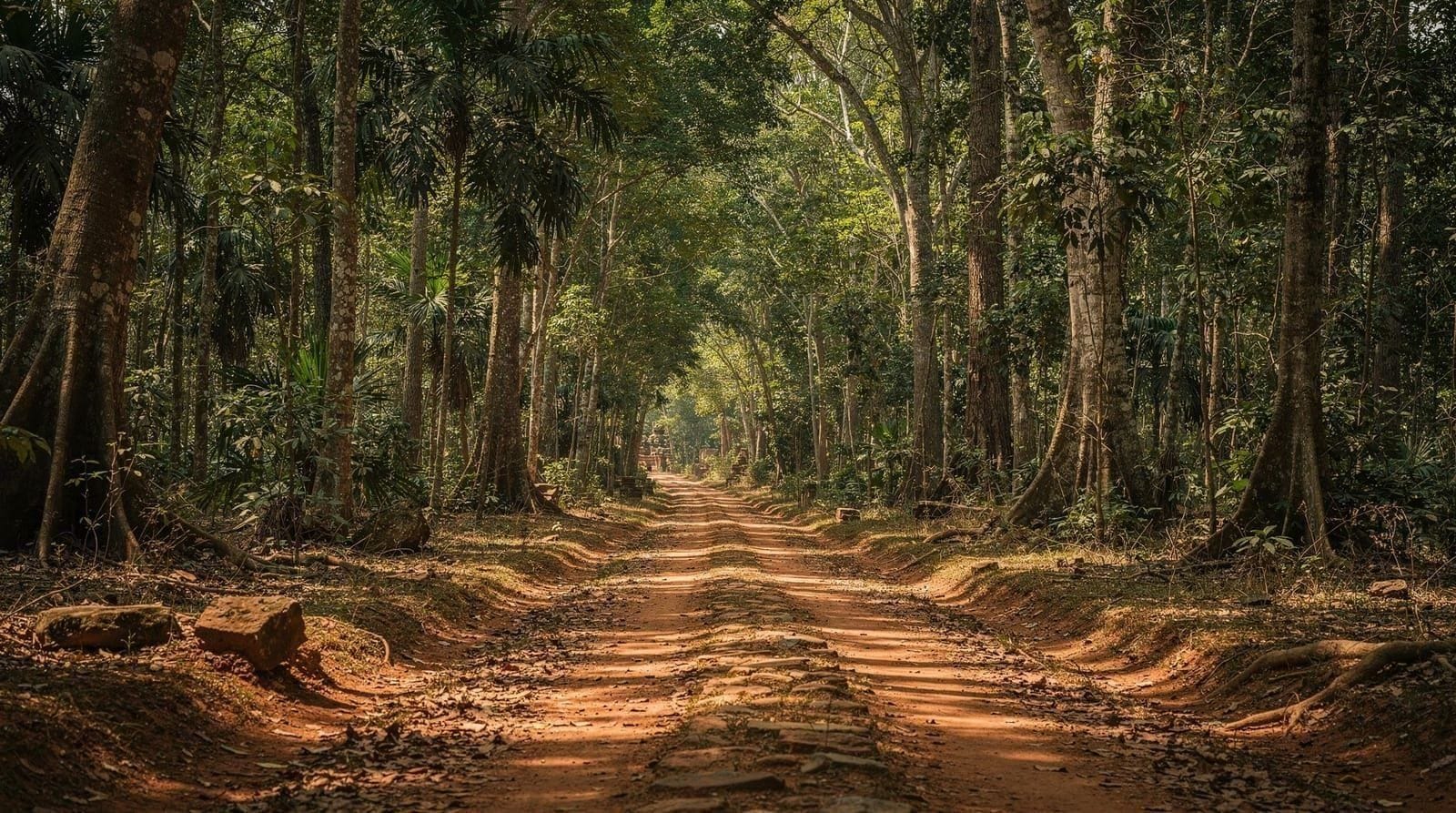
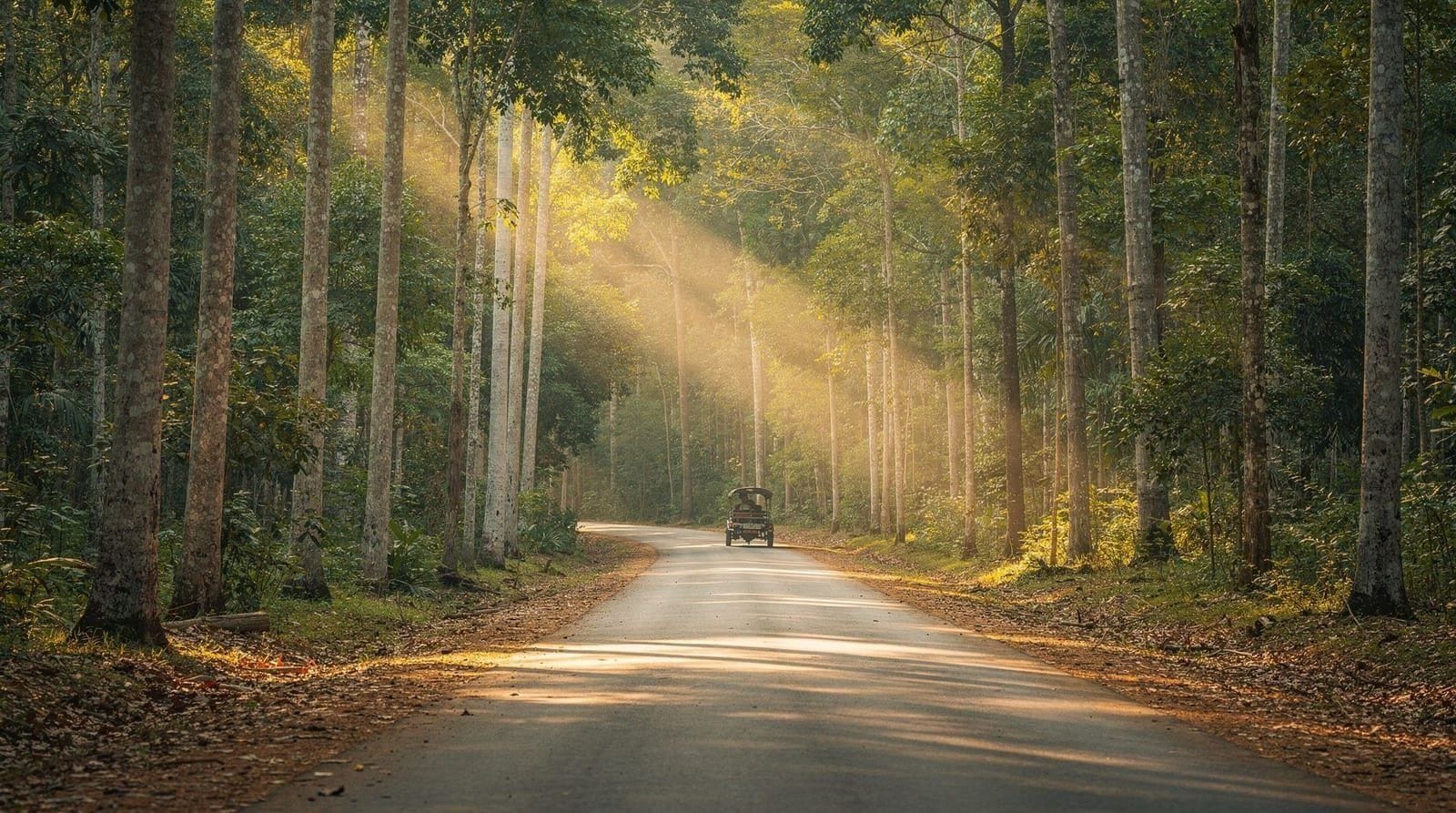
Inside the park, roads connecting the main temples are paved and generally well maintained, shared with tuk-tuks, cars, and tour buses but not aggressively trafficked the way central Siem Reap can be. The ride from town out to the ticket checkpoint and into the park involves a stretch of busier road, which is the part that makes some riders nervous — it’s manageable but not a quiet countryside lane. If you’re an inexperienced cyclist or uneasy riding alongside vehicle traffic, this initial stretch is worth weighing honestly before committing to the full day on a bike.
When a tuk-tuk genuinely beats a bike
If you’re visiting April-May, if your schedule only allows a midday window, if you want to comfortably combine the Small Circuit with an outlier temple, or if you simply don’t want the physical fatigue eating into your energy for the rest of the day, a tuk-tuk driver for $15-20 covers the same ground with none of the heat exposure and lets you doze between stops. I’ve done both, and the honest comparison is that cycling gives you a better sense of the actual geography and distances between temples, while a tuk-tuk gives you more energy left over for actually exploring once you’re there. Neither is objectively correct — it depends what you’re optimizing for.
My honest take after doing it
I’m glad I cycled it once — it genuinely changes your sense of how the temples relate to each other spatially, something a tuk-tuk window blurs together. I wouldn’t do it as my only visit to the park, and I wouldn’t recommend it as a first-timer’s default plan without a clear early start and real heat awareness. If in doubt, start with a tuk-tuk day to see the highlights properly, then consider a cycling day on a return trip once you know the layout and your own heat tolerance in this climate.
Frequently asked questions about cycling around Angkor
How far is the Angkor Small Circuit by bike?
Roughly 17-20 km round trip from a typical Siem Reap hotel, covering Angkor Wat, Angkor Thom, and Ta Prohm.
Is it too hot to cycle Angkor?
It’s manageable with an early start (before 7 AM) and being done by mid-morning, even in dry season. April-May heat (35-39°C+) makes midday cycling genuinely risky, not just uncomfortable.
Are e-bikes worth the extra cost over a regular bike?
If heat and physical effort are your main hesitation, yes — e-bikes meaningfully reduce the exertion and let you comfortably cover more ground, for roughly double or triple the rental cost of a basic bike.
Can I cycle to the outlier temples like Beng Mealea or Koh Ker?
Not realistically. Those routes involve longer distances and rougher, less-shaded roads than the main park — a tuk-tuk, car, or organized tour is the practical choice for those trips.
More tours on Viator
Top-rated experiences with verified reviews, bookable on Viator (a Tripadvisor company).