Prek Toal bird sanctuary: a guide for serious birdwatchers
What is Prek Toal bird sanctuary and when should I visit?
Prek Toal is a core biosphere zone on Tonlé Sap lake, home to some of Southeast Asia's largest breeding colonies of large waterbirds. It's highly seasonal: the best viewing runs roughly December through May when birds nest in the flooded forest as the dry season progresses, and access depends heavily on the lake's water level that year.
A specialized, highly seasonal destination
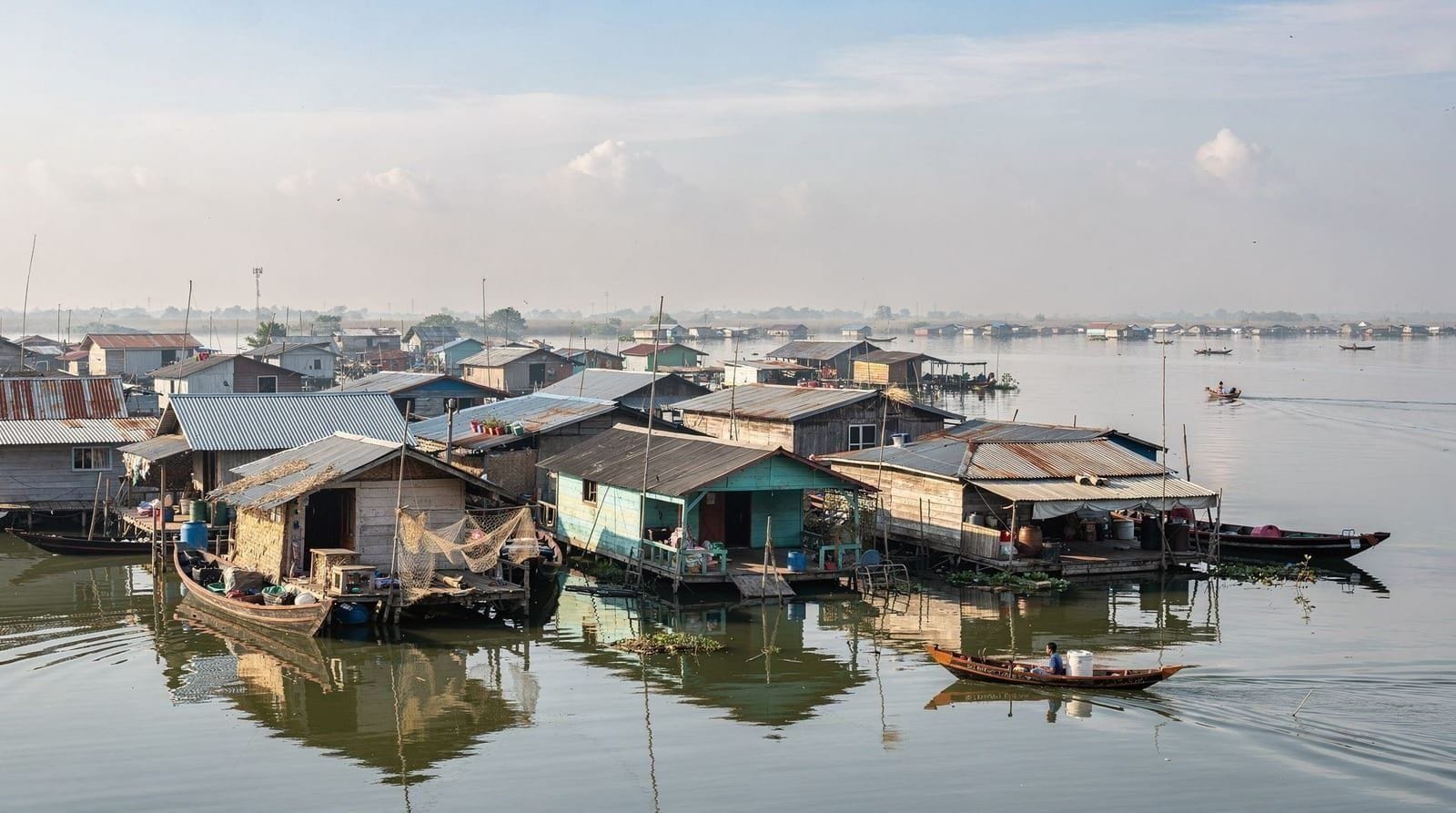
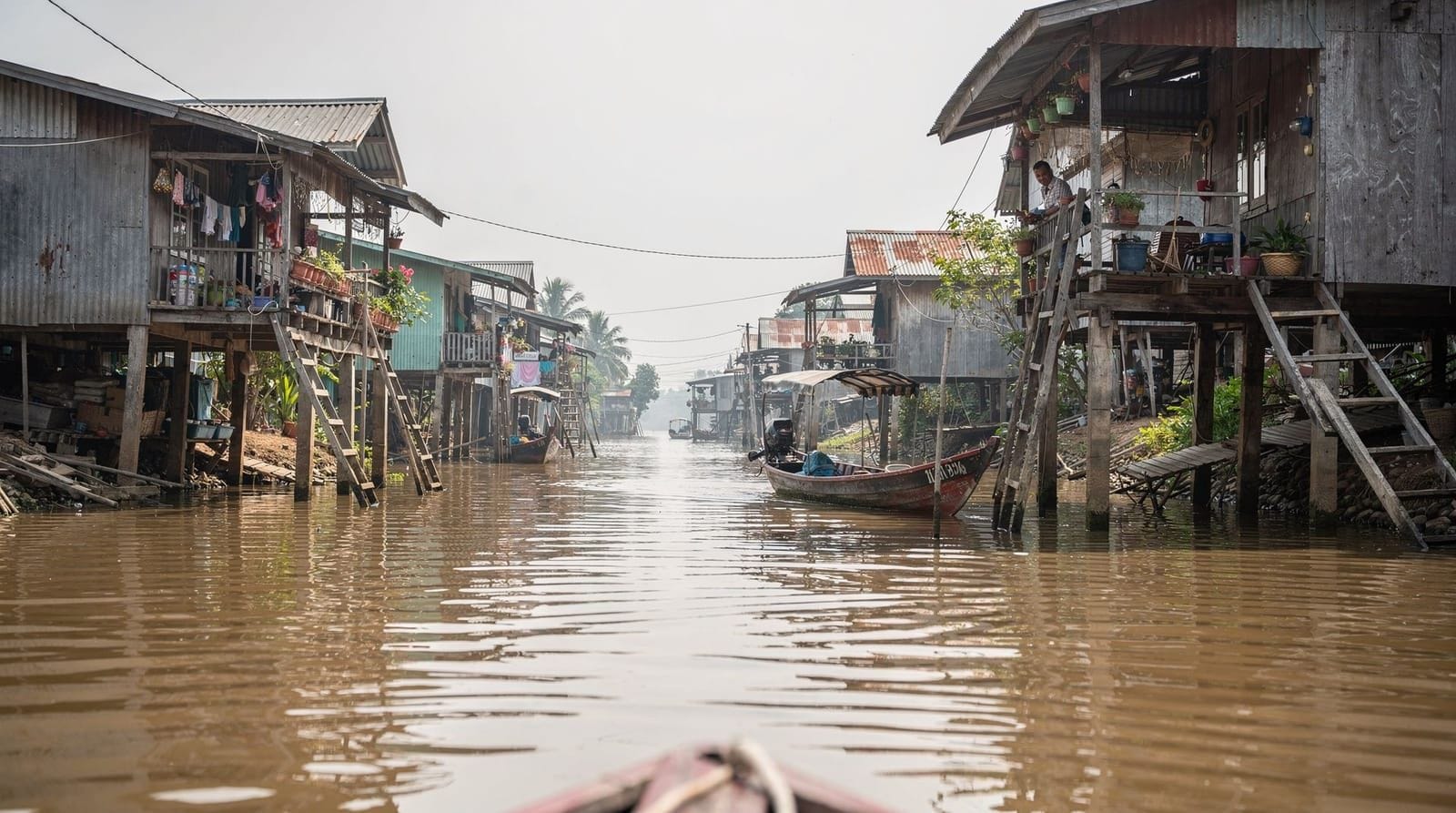
Prek Toal sits apart from the rest of this site’s Tonlé Sap coverage — it isn’t a floating village visit in the sense that Chong Kneas, Kompong Phluk or Kompong Khleang are, and it isn’t aimed at general travelers looking for a scenic boat ride. It’s a core biosphere conservation zone within the Tonlé Sap Biosphere Reserve, recognized as one of the most important large-waterbird breeding sites in Southeast Asia, and visiting it well requires more planning, more time, and a genuine interest in wildlife rather than a general “see the lake” motivation. If that describes you, it’s a genuinely rewarding addition to a Siem Reap trip; if it doesn’t, a standard floating village visit will likely serve you better.
Why it’s so dependent on water level and season
Tonlé Sap’s water level swings dramatically across the year, expanding the lake to several times its dry-season size during the rainy months before receding again. Prek Toal’s bird colonies nest and feed within the lake’s flooded forest zone, and their concentration, visibility and accessible viewing areas shift with that cycle — a good water year with well-timed nesting activity delivers spectacular concentrations of birds in visible, boat-accessible zones, while an unusually low-water or off-cycle year can mean a longer search for smaller, more scattered groups.
This variability is real and worth setting expectations around before you commit a full day to the trip: conditions genuinely differ from one year, and even one month, to the next in a way that’s less true of the standard floating villages.
Best time to visit
The generally recommended window is roughly December through May, when receding water levels concentrate nesting colonies into the flooded forest’s more accessible zones as the dry season progresses — the opposite seasonal logic from the floating villages themselves, which favor high water for their own “floating” visual. Within that window, later dry-season months (February-April) often see the most concentrated, visible colonies as water continues to recede and birds cluster into the remaining wet zones, though this varies year to year with the specifics of that season’s flood cycle.
What you’ll actually see
Prek Toal is known for large waterbird species including the spot-billed pelican, painted stork, milky stork, Oriental darter, several ibis species, and cormorants, among others — a number of which are globally threatened or near-threatened, which is exactly why the zone carries protected conservation status rather than simply being another lake viewpoint. Viewing typically happens from a boat, at a respectful distance from nesting areas to avoid disturbing the colonies, often with the aid of binoculars or a spotting scope provided by the guide.
Getting there and how long it takes
Access is considerably more involved than a standard floating village trip: a boat journey from a launch point near Siem Reap into the sanctuary’s core zone, typically starting well before dawn to reach viewing areas while bird activity and light conditions are at their best, before the heat of the day sets in. Budget a full day for the round trip given the distance, and expect a longer, more remote experience than the roughly half-day standard for Kompong Phluk or Kompong Khleang.
Permits, guides and conservation fees
Because Prek Toal sits within a protected core biosphere zone, visits go through registered tour operators or the site’s conservation-affiliated visitor program rather than independent boat hire — an entrance or conservation fee applies, which directly supports the sanctuary’s ongoing protection work rather than functioning as a standard park ticket. Arranging this through a specialized operator, rather than attempting to negotiate informal boat access at a general launch point, is both the practical and the responsible way to visit.
What to bring
Binoculars are close to essential given the distances typically involved in viewing nesting colonies from a boat; a telephoto lens is worth packing if photography is a priority, since close approach isn’t appropriate around nesting birds. Sun protection matters for a long day largely spent on open water with little shade, and bringing snacks or a packed breakfast is sensible given the early departure time and limited food options near the sanctuary itself.
How Prek Toal fits into the Tonlé Sap Biosphere Reserve
Prek Toal is one of three core biosphere zones designated within the broader Tonlé Sap Biosphere Reserve, established with UNESCO recognition to balance conservation of the lake’s exceptional ecological value against the reality of dense human settlement and fishing activity across the wider lake system. This designation is part of why Prek Toal’s access and visitor numbers are managed more tightly than a standard floating village — the core zones are specifically protected for their ecological significance, distinct from the buffer and transition zones where villages like Kompong Phluk and Kompong Khleang sit and where tourism and daily community life coexist more freely.
Realistic expectations for a first-time visitor
Because bird activity, colony location and accessible viewing areas genuinely vary by year and even by week within the recommended season, no operator can guarantee a specific sighting or a specific concentration of birds on any given day. Visitors going in with a flexible, patient mindset — treating the trip as a genuine wildlife excursion with the inherent unpredictability that implies, rather than a guaranteed photo-safari — tend to come away satisfied even on a lighter-activity day, while visitors expecting a certain, dramatic spectacle on demand are more likely to be disappointed if conditions that particular week happen to be quieter than average.
Cost and what the fee actually covers
A Prek Toal visit runs meaningfully higher than a standard floating village half-day trip, reflecting both the longer boat journey and the conservation-fee component built into the price — budget for a genuinely different cost bracket than the $15-30 typical of a Chong Kneas or Kompong Phluk visit. The premium reflects real costs: the sanctuary’s ranger patrols, nest monitoring during breeding season, and the specialized boat and guide arrangements needed to reach the core zone safely, rather than simply a higher markup on an equivalent product.
Framed against the specificity and rarity of what you’re seeing — one of the region’s most significant surviving large-waterbird colonies — most visitors who go in with genuine interest report the cost as justified rather than as a source of pricing frustration common at some of Siem Reap’s more commercially oriented attractions.
Photography considerations specific to Prek Toal
Wildlife photography at Prek Toal comes with its own distinct challenges compared to temple or landscape photography elsewhere in a Siem Reap itinerary. Birds are typically viewed at genuine distance to avoid disturbing nesting colonies, which makes a telephoto lens (300mm equivalent or longer) far more valuable here than the wide-angle lenses that serve well at Angkor’s temples.
Early morning light conditions — the reason for the pre-dawn departure — combine with the moving-boat platform to make image stabilization genuinely useful, whether through a stabilized lens, a higher shutter speed setting, or simply bracing against the boat’s structure. Because bird activity and light both peak in the early morning hours, the photographic payoff of the early start extends well beyond simply beating the heat, unlike some of Siem Reap’s other early-departure activities where the early start is mostly about crowd-avoidance rather than light quality.
Weather and seasonal access risk
Beyond the general December-May recommended window, short-term weather can still affect a specific day’s access — sudden storms, even during the broader dry season, can affect boat conditions on open lake stretches, and operators may adjust or, rarely, postpone a scheduled trip for safety reasons.
This risk is generally lower than the rainy-season access concerns affecting some other Siem Reap-area destinations (Phnom Kulen’s mountain road, for instance), since Prek Toal’s recommended season is itself the drier part of the year, but it’s still worth building a small amount of schedule flexibility around a Prek Toal day rather than treating it as a guaranteed fixed appointment, particularly if it’s positioned near the start or end of your trip with limited rebooking room.
Combining Prek Toal with other Tonlé Sap plans
Given the early departure and full-day time commitment Prek Toal requires, it doesn’t combine well with a separate floating village visit or a temple day on the same trip day — treat it as its own dedicated excursion. Some visitors with a longer Siem Reap stay build it in as a distinct day alongside, rather than instead of, a more standard floating village visit to Kompong Phluk or Kompong Khleang, treating the two as complementary rather than overlapping experiences — one focused on wildlife and conservation, the other on community and daily life on the lake.
Is it right for your trip?
If wildlife, birdwatching or conservation genuinely interests you, Prek Toal is one of the more distinctive things you can do near Siem Reap, and unlike the temples, it’s not something replicated anywhere else in the region at this scale. If your interest in Tonlé Sap is more general — seeing a floating community, the lake’s scale, a boat ride with good photos — the shorter, more predictable, less specialized floating village visits will likely deliver a better return on the time and cost involved. Both are valid choices; the honest answer is which one matches your actual interest rather than which one sounds more impressive to have done.
Why Prek Toal carries international conservation significance
Prek Toal isn’t simply a locally notable birdwatching spot — it’s recognized internationally as one of the most important large-waterbird breeding colonies remaining in Southeast Asia, a status that reflects both the sheer scale of the colonies during a good nesting season and the specific rarity of several species that breed there.
Regional wetland habitat loss across Southeast Asia over recent decades has made intact, large-scale breeding colonies like Prek Toal’s increasingly rare, which is part of why international conservation organizations have invested specifically in this site’s protection and monitoring rather than treating it as one interchangeable wetland among many. Visiting responsibly, through the sanctuary’s registered visitor program, directly supports that ongoing conservation work rather than functioning purely as a sightseeing add-on.
The Sam Veasna Center and how guided access typically works
Much of Prek Toal’s formal visitor access has historically been coordinated through conservation-linked organizations specializing in Cambodia’s protected wildlife sites, rather than general Siem Reap tour operators without specific sanctuary authorization. These specialized operators typically provide trained naturalist guides with genuine expertise in the specific bird species present, spotting scopes and other equipment beyond what a general tour would carry, and a portion of the fee directed toward the sanctuary’s ranger and conservation programs.
Booking through this kind of specialized channel, rather than a general-purpose Tonlé Sap tour that happens to mention Prek Toal, generally delivers a meaningfully better wildlife-viewing experience given the guides’ specific species knowledge and the sanctuary access arrangements already in place.
A comparison with birdwatching elsewhere in Cambodia
Cambodia hosts several other notable birdwatching sites — the northern plains around Tmatboey and the Kulen Prom Tep Wildlife Sanctuary among them — but these sit considerably farther from Siem Reap, generally requiring multi-day dedicated birding trips rather than a single add-on day. Prek Toal’s specific advantage within Cambodia’s broader birdwatching landscape is proximity: it delivers a genuinely world-class large-waterbird colony experience within a single day trip from Siem Reap’s existing tourism infrastructure, without requiring the multi-day logistics of the country’s more remote specialist birding destinations.
For visitors with limited time whose interest in Cambodia’s birdlife is real but not the sole purpose of the trip, Prek Toal is the practical choice; for dedicated birders willing to build an itinerary specifically around Cambodia’s wildlife, the northern plains sites offer additional species not present at Prek Toal’s wetland-focused colony.
What a typical boat and viewing experience actually looks like
Once within the sanctuary’s core zone, viewing typically happens from a slow-moving or anchored boat positioned at a respectful distance from active nesting trees, with guides pointing out specific species and behaviors as they’re spotted rather than following a fixed route past predetermined viewpoints — the exact path and duration at each viewing point depends on where birds are actively concentrated that day.
Multiple species often nest in proximity to each other within the same general area of flooded forest, meaning a single viewing stop can deliver sightings of several different pelican, stork, and cormorant species without needing to move between multiple separate locations. Patience matters here more than at almost any other Siem Reap-area activity — birds don’t perform on a schedule, and a guide’s willingness to wait quietly at a promising spot rather than rushing through a checklist of locations generally produces a better outcome than a faster-paced visit would.
Practical timing within your overall trip
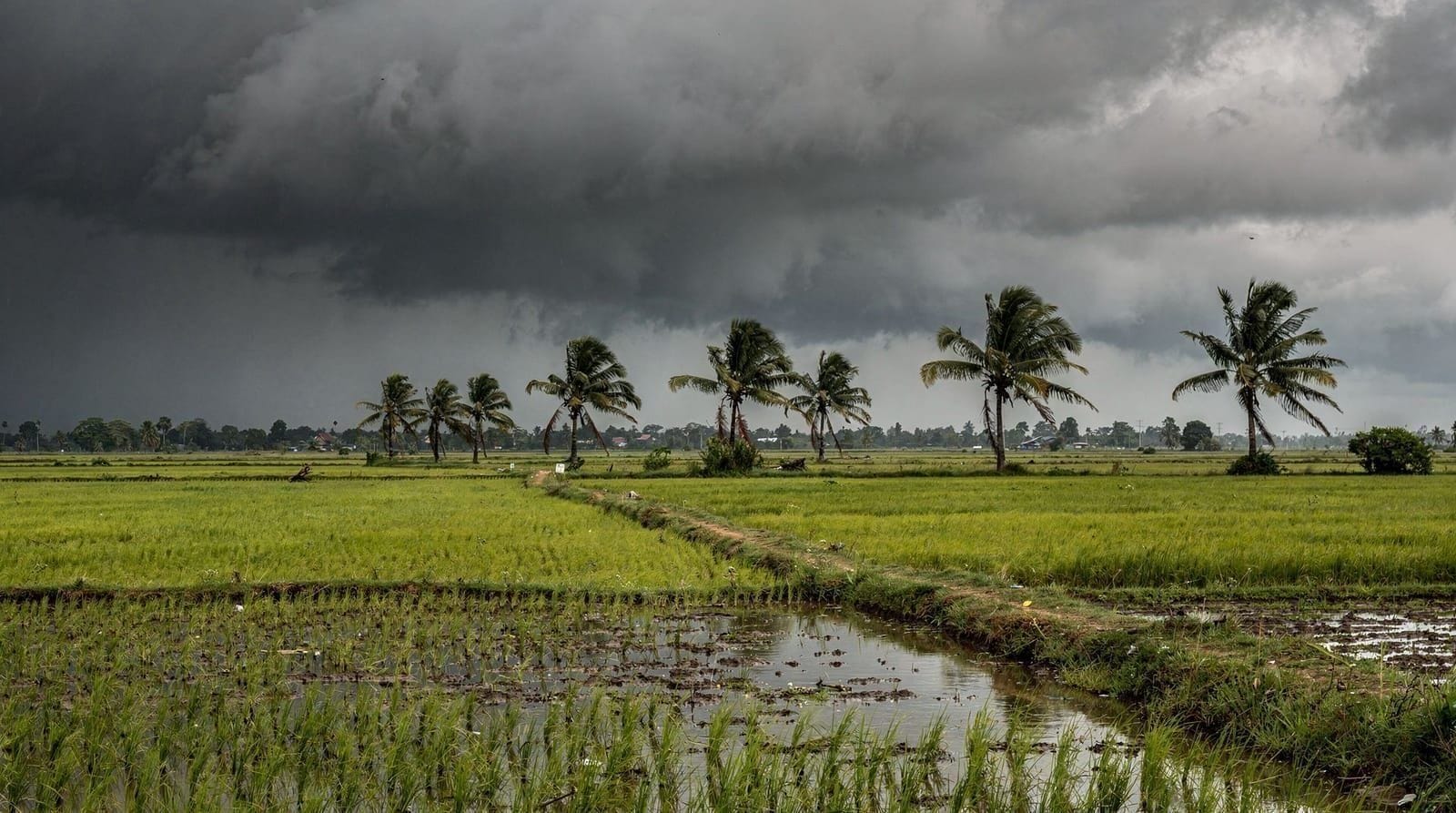
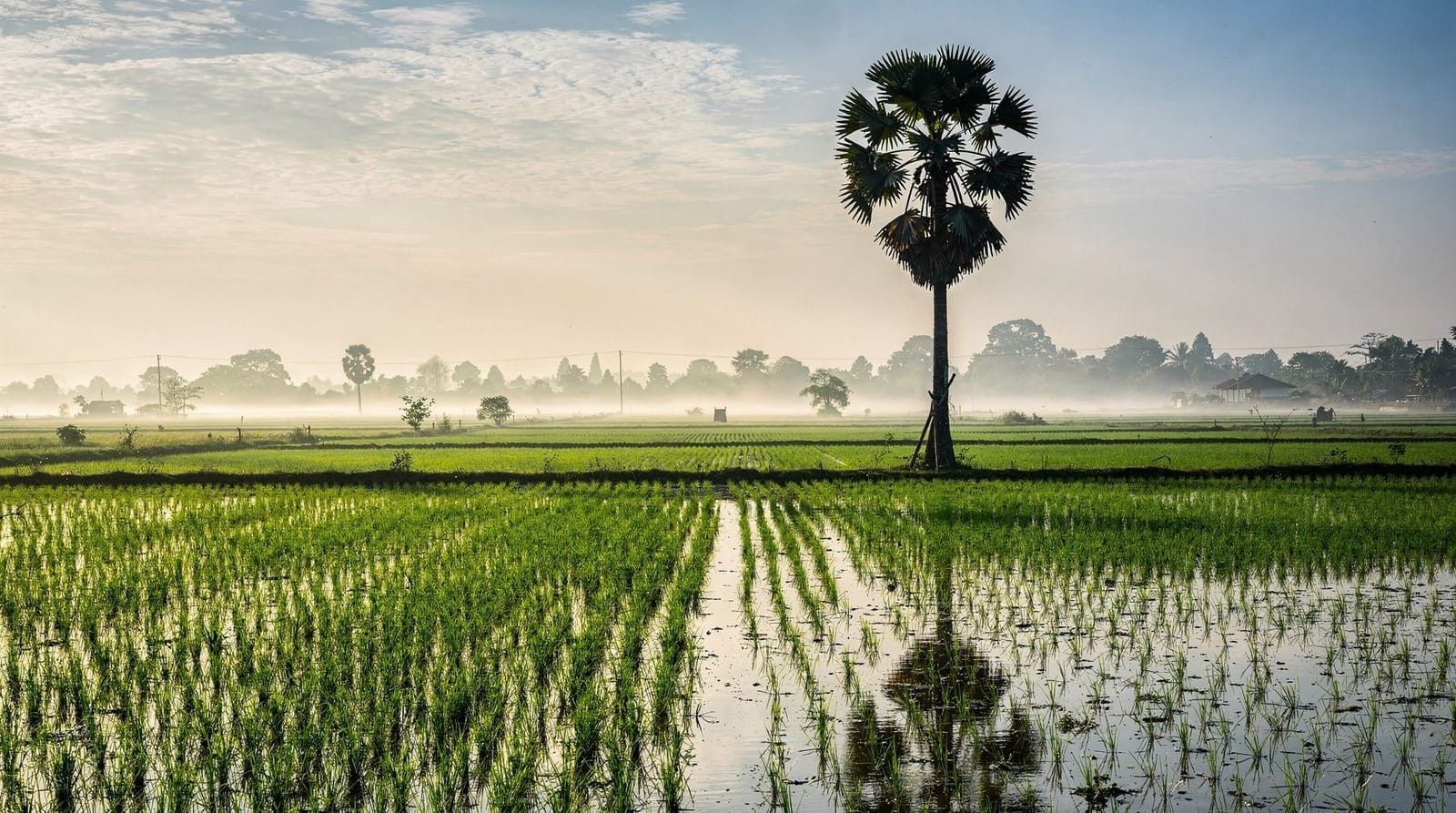
Given the early departure and full-day nature of a Prek Toal visit, it fits most naturally either near the start of a longer Siem Reap trip, before temple fatigue sets in, or as a deliberately different-paced day partway through a week-plus itinerary, rather than being squeezed in at the tail end alongside a rushed departure. Visitors combining Prek Toal with a broader Tonlé Sap and countryside theme sometimes pair it with a separate day for Siem Reap’s countryside and rice fields, building a two-day “beyond the temples” stretch into an itinerary that’s otherwise built around Angkor’s circuits.
Frequently asked questions about Prek Toal bird sanctuary
Is Prek Toal worth visiting for a casual traveler, or only serious birdwatchers?
It's primarily worth the effort — an early start, a long boat ride, and a real entrance fee — for visitors with a genuine interest in birdwatching or wildlife photography. Casual travelers looking for a general Tonlé Sap experience are usually better served by a standard floating village visit like Kompong Phluk, which requires far less specialized planning and delivers a more broadly appealing experience.What birds can I actually see at Prek Toal?
The sanctuary is known for large waterbird species including the spot-billed pelican, painted stork, milky stork, Oriental darter, and several species of ibis and cormorant, among others — several of which are globally threatened or near-threatened, making Prek Toal a genuinely significant conservation site, not just a scenic add-on.Why is access so dependent on the water level?
Prek Toal sits within Tonlé Sap's flooded forest zone, and the birds' nesting and feeding patterns shift with the lake's dramatic seasonal rise and fall. Low water years or unusually early/late flood cycles can significantly change which areas are accessible by boat and how concentrated the bird colonies are in visible zones — conditions genuinely vary year to year, not just season to season.How do I get to Prek Toal and how long does it take?
Access is by boat from a launch point near Siem Reap, involving a considerably longer transit than a standard floating village trip — a full day, often starting before dawn, should be budgeted given the distance into the sanctuary zone and the early-morning timing that gives the best birdwatching conditions before daytime heat sets in.Do I need a permit or guide to visit Prek Toal?
Yes — Prek Toal sits within a protected core biosphere zone, and visits are arranged through registered operators or the site's conservation-affiliated visitor program rather than independent boat hire, with an entrance fee that supports the sanctuary's conservation work.What should I bring for a Prek Toal visit?
Binoculars are close to essential given the distances involved in viewing nesting colonies, along with a telephoto lens if photography is a priority, sun protection for a long day largely on open water, and snacks or a packed breakfast given the early start and limited food availability near the site itself.
More tours on Viator
Top-rated experiences with verified reviews, bookable on Viator (a Tripadvisor company).