The Angkor Wat sunrise, honestly: crowds, clouds, and when it's not worth the 4:30 AM
Every guide to Siem Reap tells you to see the Angkor Wat sunrise, and almost none of them tell you what it’s actually like to stand at the reflecting pond at 5:15 AM with three hundred other people and a phone battery draining faster than usual in the pre-dawn humidity. I’ve done it four times now, across different seasons, and I want to write the version that isn’t selling you the tour.
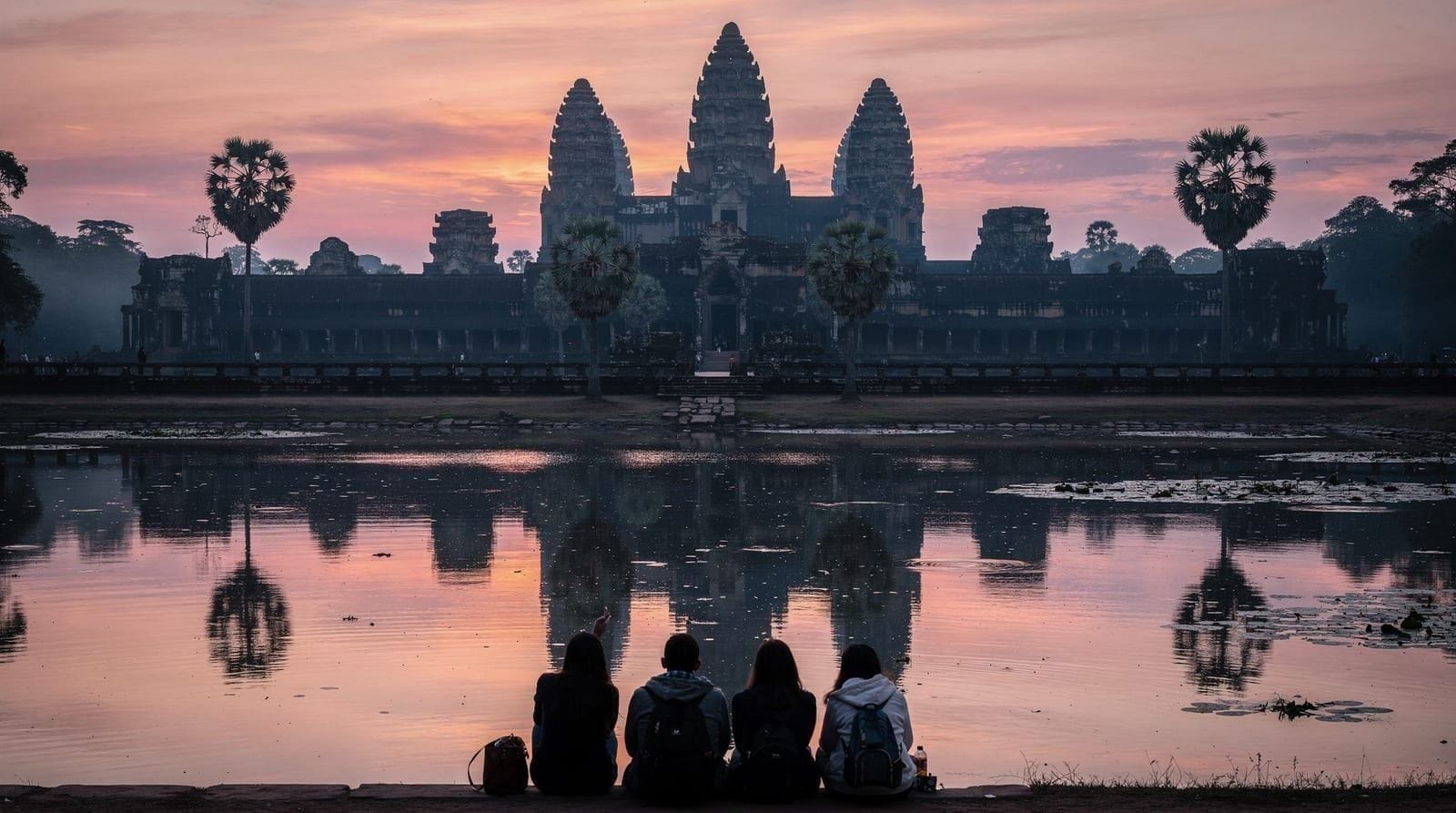
What the north pond actually looks like at 5 AM
The gates open at 5:00 AM, and if you want a spot at the smaller, less-visited pool just south of the main reflecting pond, you need to be walking in, not still buying your ticket, by then. The main pond — the one in every stock photo, directly in front of the causeway — fills up fast.
By 5:20 in peak season (December-January), it’s genuinely shoulder-to-shoulder, tripods locked in place from twenty minutes earlier, and finding a clear sightline without someone’s phone in your frame takes real effort. This isn’t an exaggeration for effect; it’s the baseline experience in high season, and it’s worth knowing before you commit to the wake-up call. My sunrise tour review has photos of exactly how packed the rail gets at different times of year.
What you actually see when the sky is overcast
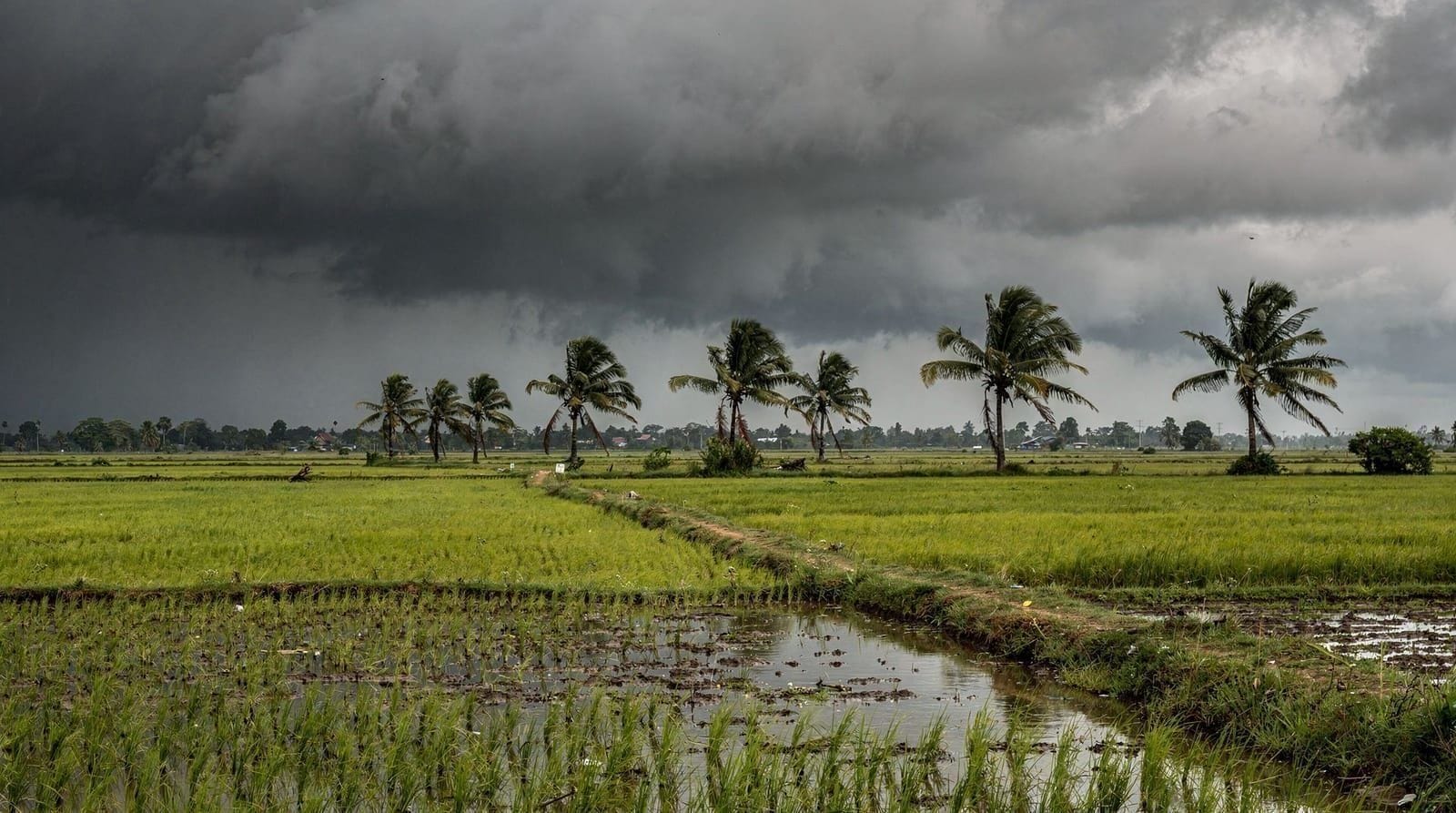
Nobody writes about this part, and it happens more often than the postcard photos suggest. Cambodia’s sky doesn’t guarantee a dramatic orange sunrise even in dry season, and cloud cover is common enough — especially outside December-February — that you should mentally prepare for a soft grey-to-pale-gold gradient rather than a fireball behind the towers. It’s still a genuinely peaceful, atmospheric scene: the silhouette forms, the light comes up, the crowd goes quiet for a few minutes. But if you’ve built your entire trip around one specific photograph, an overcast morning is a real possibility, not a fluke. Rainy season months (roughly May-October) carry meaningfully higher odds of this than the driest stretch of the year.
The months that actually deliver the classic shot
If a clear, saturated sunrise is genuinely the priority, December and January are the safest bet — driest air, least cloud cover, most consistent results. February and March hold most of that reliability with somewhat thinner crowds. Anything from May through October is a real gamble: you might get a spectacular, moody, cloud-streaked sky, or you might get flat grey with the towers barely silhouetted. See the weather by month guide if you’re choosing travel dates partly around this.
When it’s genuinely not worth the alarm clock
I’ll say the thing most sunrise-tour marketing won’t: if you’re visiting in July or August, exhausted from a late flight the night before, and mainly interested in Angkor Wat as architecture rather than as a specific photograph, skip the 4:30 AM wake-up and see the temple properly lit at 8 or 9 AM instead, once the crowd has thinned and the light is easier to photograph the carvings by.
You’ll trade the silhouette shot for a much calmer visit and better detail photos of the bas-reliefs, which the sunrise crowd rarely has room to appreciate properly anyway. Sunset from Phnom Bakheng or one of the quieter alternative spots is also a reasonable substitute if you want dramatic light without the 5 AM crowd — see the sunset spots guide.
What actually helps if you do go
Arrive at the gate at opening, not fifteen minutes after — that gap is the difference between a decent pond-side spot and standing three rows back. Bring a headlamp or phone light for the walk in; the causeway isn’t well lit. Skip the main pond in favor of the smaller southern one if a clear photo matters more to you than being in the exact spot everyone else photographs from — it gives a similar reflection angle with noticeably fewer people. And build in a real breakfast stop afterward rather than pushing straight into the rest of the Small Circuit; the early start catches up with most people by mid-morning. The avoiding the crowds guide has more of this kind of timing logic for the rest of the park.
Book a personalized sunrise tuk-tuk that skips the group-tour crowd logisticsIs a guided sunrise tour actually worth it over going alone?
For the sunrise specifically, a driver mainly buys you certainty — someone who knows exactly where to park, which gate to use, and how to get you there by 5:00 sharp without navigating in the dark yourself. It’s less about needing a guide to appreciate Angkor Wat at dawn (there’s minimal interpretation happening at that hour anyway, since everyone’s focused on the light) and more about logistics. If you’re comfortable arranging your own tuk-tuk the night before and know the route, going independently costs less and gives you more control over exactly when you leave the pond. See the guide vs. no-guide breakdown in angkor with a guide or without.
My honest verdict
It’s worth doing once, ideally in the dry season if the photo matters to you, and worth skipping or replacing with a calmer late-morning or sunset visit if you’re traveling in the wet months or simply don’t want to build a whole trip’s rhythm around a 4:30 AM alarm. The temple is spectacular at any hour — the sunrise is one specific, crowded, weather-dependent version of seeing it, not the only correct one.
Frequently asked questions about the Angkor Wat sunrise
Is the Angkor Wat sunrise actually worth waking up for?
Yes, in dry season (roughly November-March) if you’re prepared for real crowds at the main reflecting pond. In rainy season, the odds of a dramatic sky drop enough that it’s a more genuine gamble.
What time should I arrive to get a good spot?
By 5:00 AM, at gate opening. Arriving even fifteen minutes later in peak season usually means a compromised sightline at the main pond.
Is there a quieter alternative to the main reflecting pond?
Yes — a smaller pond just south of the main one gives a similar reflection angle with meaningfully fewer people, though it’s less known and takes a bit of local knowledge to find.
What if the sunrise is cloudy or rained out?
You’ll still get an atmospheric, peaceful scene as the light comes up, just without the dramatic color. Consider planning a second, uncrowded visit later in the day to see the temple properly if the sunrise doesn’t deliver.
Use the angkor sunrise planner to check the sunrise time and recommended arrival window for your specific dates, and see the full sunrise guide for the complete logistics.
More tours on Viator
Top-rated experiences with verified reviews, bookable on Viator (a Tripadvisor company).