Khmer cooking class review — market tour, home kitchen or hotel class?
Siem Reap: Khmer Traditional Cooking Class
Khmer cooking classes in Siem Reap split into two broad formats: a standardized, town-based class in a dedicated kitchen, and a more personal session in a local family’s home or rural garden kitchen, often paired with a market visit beforehand. Both teach the same handful of signature dishes, but the atmosphere and pacing differ meaningfully. This review breaks down which format suits which kind of traveler.
| Duration | 2-2.5 hours (class only) to 3-4 hours (with market visit) |
| Typical dishes | Fish amok, lok lak, a Khmer soup, spring rolls |
| Format split | Standardized town kitchen vs. local home/rural garden setting |
| Best for | Anyone wanting hands-on context beyond restaurant meals |
What’s included, and what typically isn’t
A standard class fee covers ingredients, use of the kitchen or cooking station, instruction, and eating what you cook — usually as your lunch or dinner depending on the class’s timing. What’s frequently not included: hotel pickup and drop-off (check the specific listing rather than assuming, since this varies more here than for temple tours), alcoholic drinks beyond what’s offered as a welcome drink, and a take-home recipe booklet, which some operators provide as standard and others treat as a paid extra. None of these are significant costs individually, but they’re worth confirming before booking if they matter to your plans for the day.
What you actually cook
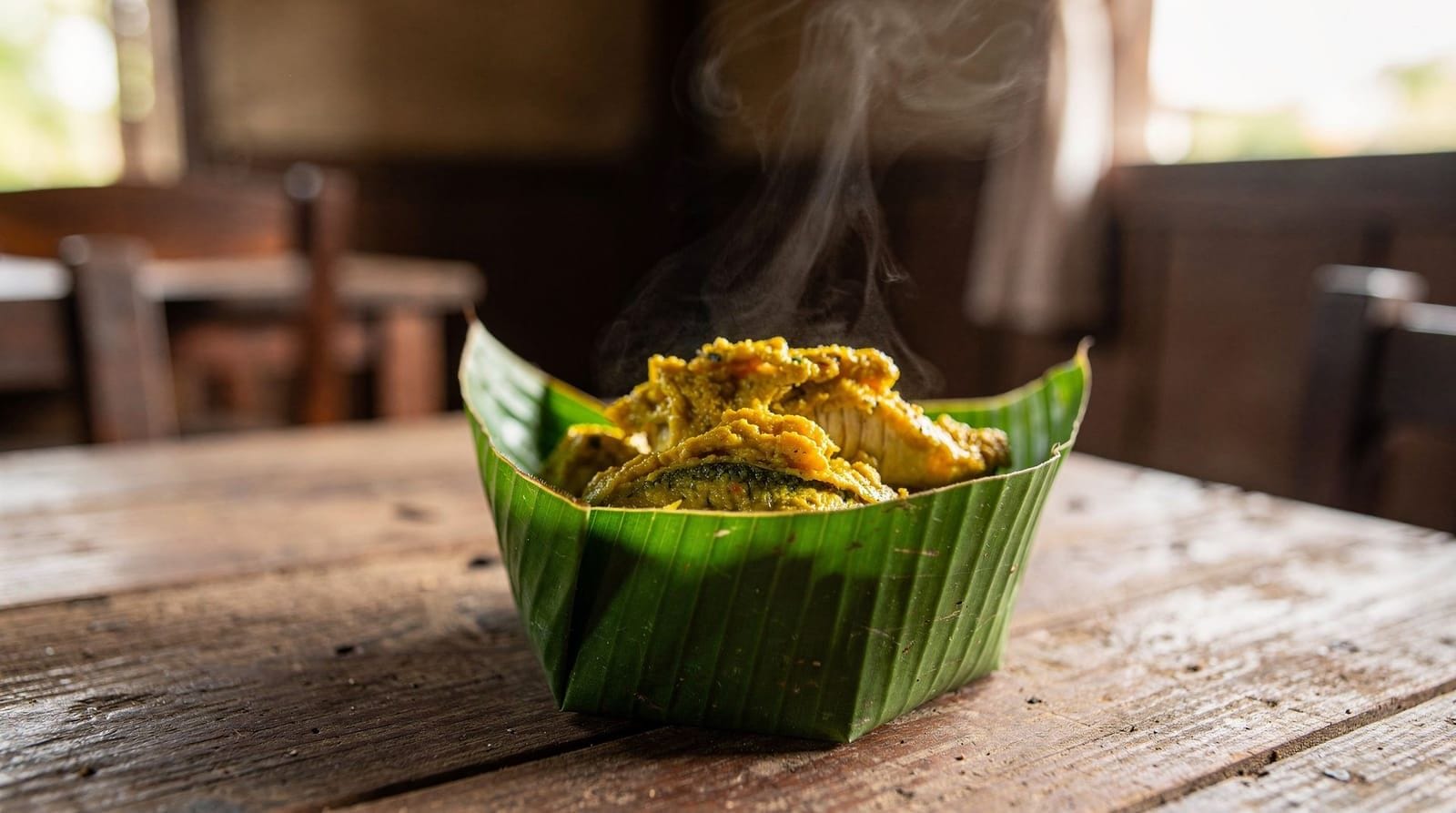
Book the Khmer traditional cooking classNearly every Siem Reap cooking class rotates through the same core Khmer dishes, with some variation by operator: fish amok (a steamed coconut curry served in a banana-leaf cup, Cambodia’s best-known dish), lok lak (stir-fried marbled beef with a lime-pepper dipping sauce), a Khmer soup such as somlor machu (sour soup), and fresh spring rolls. Classes are typically structured as hands-on, not demonstration-only — you’re chopping, pounding curry paste, and cooking your own portions at an individual or shared station, not watching a chef work.
Market tour vs. straight-to-kitchen
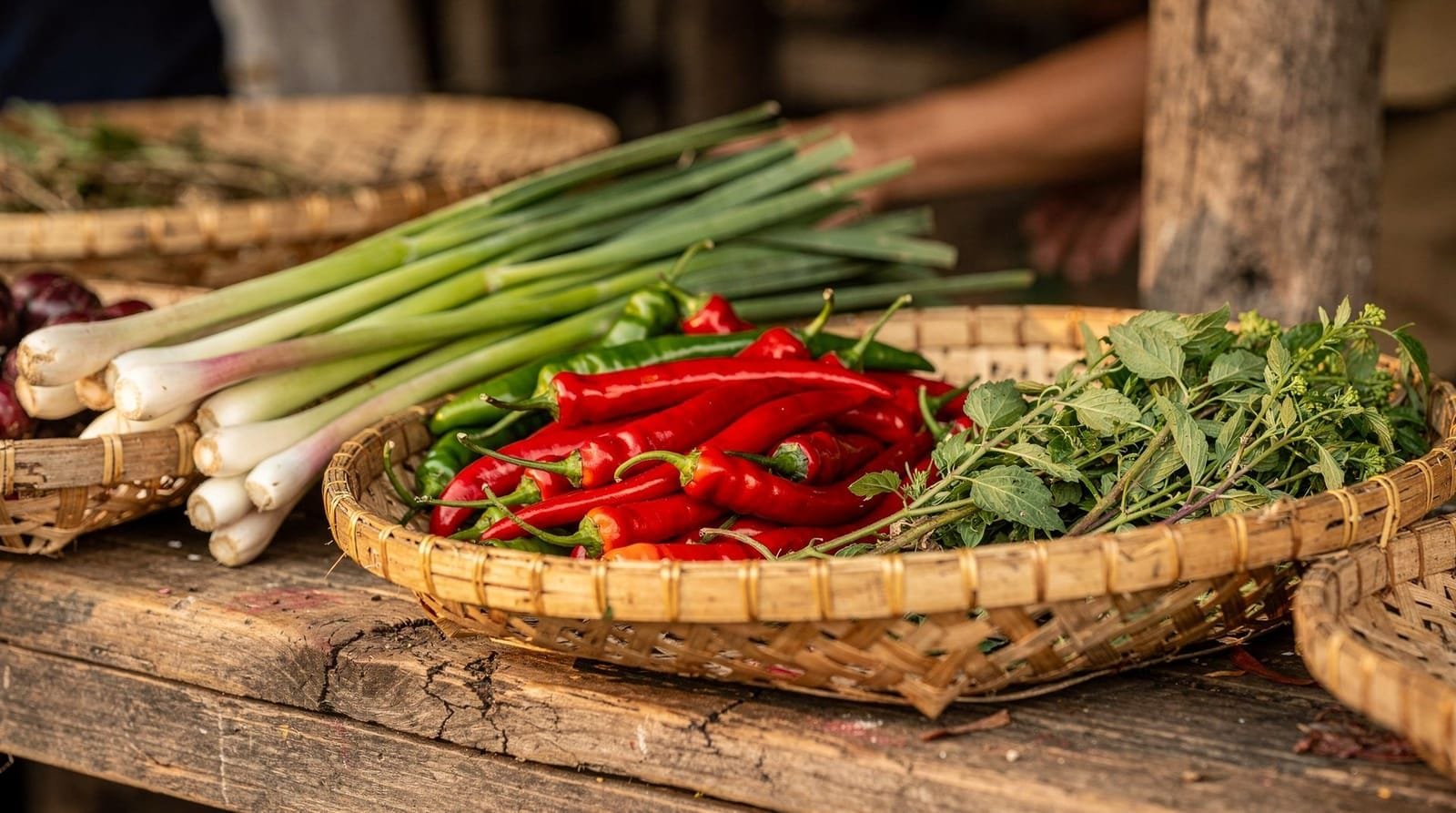
Book the hands-on cooking class with market tourAdding a market visit before the class — walking through a working local market to see and sometimes select the fresh herbs, fish, and produce that go into the dishes — gives real context that a straight-to-kitchen class skips. It adds roughly an hour and is where the class starts to feel less like a tourist activity and more like an actual introduction to how Khmer households shop and cook day to day. If you’re deciding between two otherwise similar listings and one includes the market, that’s generally the stronger choice unless you’re specifically pressed for time.
Local home vs. dedicated cooking school
Book the Cambodian cooking class in a rural villageRural or local-home format classes happen in an actual family kitchen or garden setting outside the town center, usually in smaller groups, sometimes with a short farm or garden walk to see where herbs and vegetables are grown before cooking begins. This format tends to feel more personal and less “produced” than a standardized town kitchen, though it also means less consistent equipment and a longer drive out and back. Town-based classes in a dedicated cooking school offer more predictable timing and facilities, better suited to travelers on a tighter schedule or those who prefer a more polished, classroom-style setup.
| Format | Setting | Group feel | Trade-off |
|---|---|---|---|
| Rural village / local home | Family kitchen or garden | Small, personal | Longer drive, less standardized |
| Town-based cooking school | Dedicated kitchen | More structured | Faster to reach, more predictable |
Near-Angkor option for combining with a temple day
Book the Khmer cooking class and market tour in the Angkor areaA smaller number of listings run in the Angkor area itself rather than central Siem Reap, aimed at travelers who want to fit a cooking class into the same day as a temple visit without doubling back into town. Worth considering if your itinerary already has you staying out near the park, though the trade-off is a less central, less easily walkable setting than a Pub Street or Old Market-adjacent class.
How this compares to a street food tour
If you’re weighing a cooking class against a guided street food tour as your one food-focused evening in Siem Reap, the two deliver genuinely different things: a cooking class teaches you to reproduce a handful of dishes yourself and gives you an active, hands-on afternoon or evening, while a street food tour covers more ground and more variety in less time but stays purely observational and consumptive rather than instructional.
Families traveling with kids who enjoy hands-on activities tend to prefer the cooking class; travelers mainly interested in maximizing the range of dishes tried in one evening often prefer the street food format. See our street food guide for the self-guided version of that alternative.
Dietary accommodations
Khmer cooking by default leans heavily on fish sauce and prahok (fermented fish paste), so vegetarian or vegan travelers need to flag dietary requirements at booking rather than assuming substitutions are automatic. Most operators can adjust — swapping fish-based sauces and proteins for vegetable or tofu alternatives — but this needs to be arranged in advance, not requested on arrival. If food allergies are a concern, the same rule applies: confirm in writing before the class, not on the day.
Group size and what to expect on the day
Town-based cooking school classes typically run in groups of 6-12, seated or standing at individual or paired cooking stations with a lead instructor demonstrating each step before participants replicate it. Rural or local-home classes tend to run smaller — often 4-8 people — simply because home kitchens and garden setups have less physical capacity than a purpose-built cooking school. Private, one-on-one or small-family bookings are available through some operators at a higher per-person cost; worth asking about directly if you specifically want to avoid a shared-group format, since not every listing advertises this option clearly upfront.
Cheaper DIY alternatives, and who they suit
For travelers on a tight budget or with limited time, walking through Old Market’s produce section independently (see our Old Market and Pub Street guide) gives some of the same ingredient-sourcing context a paid market tour offers, just without hands-on cooking instruction afterward.
Some guesthouses and homestays also offer informal, lower-cost cooking sessions directly with kitchen staff rather than through a listed tour — worth asking about at check-in if you’re staying somewhere with an in-house kitchen and a flexible daily schedule. Neither DIY route replicates the structured, multi-dish curriculum of a proper class, but both work reasonably well for travelers who mainly want a taste of Khmer cooking culture without committing a half-day and the associated cost.
Questions worth asking before you book
Before choosing a specific listing, it’s worth confirming: whether hotel pickup and drop-off is included or needs arranging separately; the exact group size and format (shared stations vs. individual); whether the specific dishes taught are fixed or vary by what’s available at market that day; and the cancellation policy, since weather (a sudden downpour affecting an outdoor rural class) can occasionally affect scheduling in wet season. Most listings offer standard free cancellation up to roughly 24 hours before the class, but confirm this on the specific listing rather than assuming a blanket policy across all operators.
How Khmer cooking classes compare regionally
Cooking classes are a well-established tourism format across Southeast Asia — Thailand and Vietnam both have longer-established, higher-volume cooking-class industries than Cambodia’s — but Khmer cuisine’s relative lack of global name recognition compared to Thai or Vietnamese food is part of what makes a Siem Reap class genuinely worthwhile rather than a generic regional add-on: dishes like fish amok and prahok-based sauces aren’t things most travelers have encountered before arriving, unlike pad thai or pho, which many have already cooked or eaten at home. That novelty factor is a real part of the appeal beyond the hands-on format itself.
Who this isn’t for
Travelers with severe fish or shellfish allergies should be especially cautious given how central fish sauce and prahok are to Khmer cooking — cross-contamination risk in a shared kitchen is real even when a specific dish is modified, so flag this clearly and consider asking directly about kitchen practices rather than just requesting a substitution.
Very short-stay visitors (a single night or two in Siem Reap, temple-focused) may find the 3-4 hour market-plus-class format eats into time better spent at Angkor, in which case a shorter 2-2.5 hour class-only format, or skipping the activity entirely in favor of a guided street food tour, may fit better. Travelers who dislike hands-on, physically involved activities and would rather watch a demonstration should also manage expectations — nearly every listed class is genuinely hands-on, not a cooking show with a tasting at the end.
Realistic time budget
A class-only session without a market visit runs about 2-2.5 hours, including eating what you cooked at the end. Add a market visit and the full experience runs 3-4 hours. Factor in transport time if you’re staying outside the immediate Old Market or Pub Street area, since several classes — particularly the rural village format — are a 20-30 minute drive from central hotels.
What you take home from the experience
Beyond the meal itself, most classes send participants home with something tangible — a printed or digital recipe card covering the dishes taught, which turns out to be the most-cited reason travelers rebook or recommend a specific class to others, since it’s the difference between a one-off experience and something you can actually reproduce once home.
A smaller number of operators go further, sending participants home with a small spice or curry-paste kit specifically for one of the dishes taught, useful if fresh Cambodian ingredients aren’t available at home and a shelf-stable paste bridges that gap. Ask specifically what materials, if any, come with the class if this matters to you, since it’s inconsistently advertised across listings even though it’s a meaningful differentiator for anyone who actually wants to cook these dishes again later.
How this fits into a broader food-focused day
Travelers building a food-centered day around Siem Reap sometimes pair a morning market visit and cooking class with an evening street food tour, treating the two as complementary rather than redundant — the cooking class teaches technique and a handful of dishes in depth, while a street food tour covers breadth across many more items in a single evening without the hands-on component. Doing both in one day is a genuinely full day of food-focused activity and works best for travelers who’ve already covered the core Angkor temples and want a dedicated non-temple day, rather than trying to squeeze both around a demanding morning at the park.
Compare alternative tours
Frequently asked questions about Khmer cooking class review
What dishes do you actually cook in a Khmer cooking class?
Most classes teach 3-4 dishes from a rotating menu that typically includes fish amok (steamed curry in banana leaf), a stir-fry like lok lak, a Khmer soup such as somlor, and spring rolls. Exact dishes vary by operator and sometimes by what's fresh at market that day.Is a market tour worth adding to the cooking class?
Yes, if you have the extra hour — seeing where Khmer cooks actually buy their ingredients (fresh herbs, fish, produce) gives real context you don't get starting straight at a prepped kitchen station. Several listings bundle the market visit into the class; others sell it as a clearly separate add-on.Are cooking classes suitable for vegetarians?
Most operators can accommodate vegetarian or vegan requests if you flag it when booking, since Khmer cuisine relies heavily on fish sauce and prahok (fermented fish paste) by default — substitutions need to be made deliberately, not assumed.How long does a typical class run?
Most run 3-4 hours including the market visit (if included), the cooking itself, and eating what you made. Shorter, class-only formats without a market component run closer to 2-2.5 hours.Is a rural village cooking class different from a town-based one?
Yes — rural village classes typically happen in a local family's home or garden kitchen outside the town center, with a more personal, small-group feel and sometimes a farm or garden walk beforehand. Town-based classes are more standardized, often in a dedicated cooking-school kitchen with more consistent equipment.Is hotel pickup included in the cooking class price?
Not always — check the specific listing, since some include round-trip transport and others require you to arrange your own way to the venue, particularly for rural or village-based classes further from central hotels.Can I book a private cooking class instead of a shared-group session?
Some operators offer private or small-family bookings at a higher per-person cost, though it's not always advertised clearly — ask directly if avoiding a shared-group format matters to you.