Dry season vs. rainy season at Angkor: what you actually gain and lose
Every “best time to visit Angkor” guide tells you November-March is the answer and moves on. That’s not wrong, but it also skips the actual trade-offs — dry season isn’t simply “better,” it’s a different set of compromises than rainy season, and which one suits you depends on what you’re optimizing for. Here’s the honest version.
Dry season (November-March): what you gain
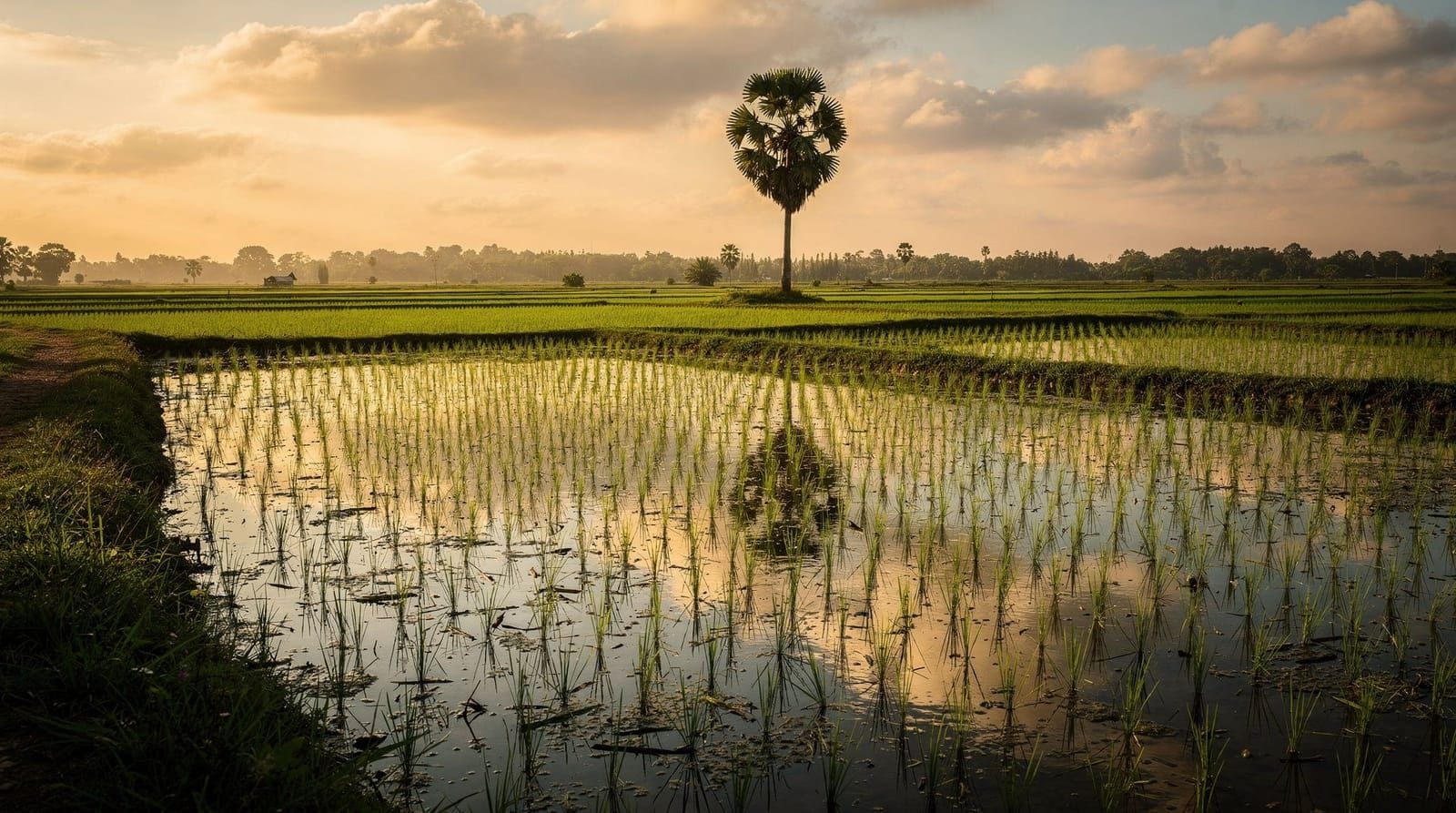
Reliable weather is the headline benefit — minimal rain, especially December-January, and comfortable temperatures (25-31°C) that make full days of temple-walking genuinely pleasant rather than an endurance test. This is also when the classic sunrise-over-Angkor-Wat photo is most reliably achievable, since clear skies aren’t a coin-flip the way they are in the rainy months. If your Siem Reap trip is timed around a specific bucket-list photo, dry season — and December-January specifically — gives you the best odds.
Dry season: what you lose
Crowds, unambiguously. December-January is peak season in every sense — highest hotel prices, thickest sunrise crowds at the reflecting pond, longest queues at popular stops like the Angkor Wat upper-level climb. If crowd avoidance matters more to you than weather certainty, peak dry season works against you specifically at the marquee sites, even though the shoulder months (February-March) ease this somewhat while keeping most of the weather benefit.
Rainy season (May-October): what you gain
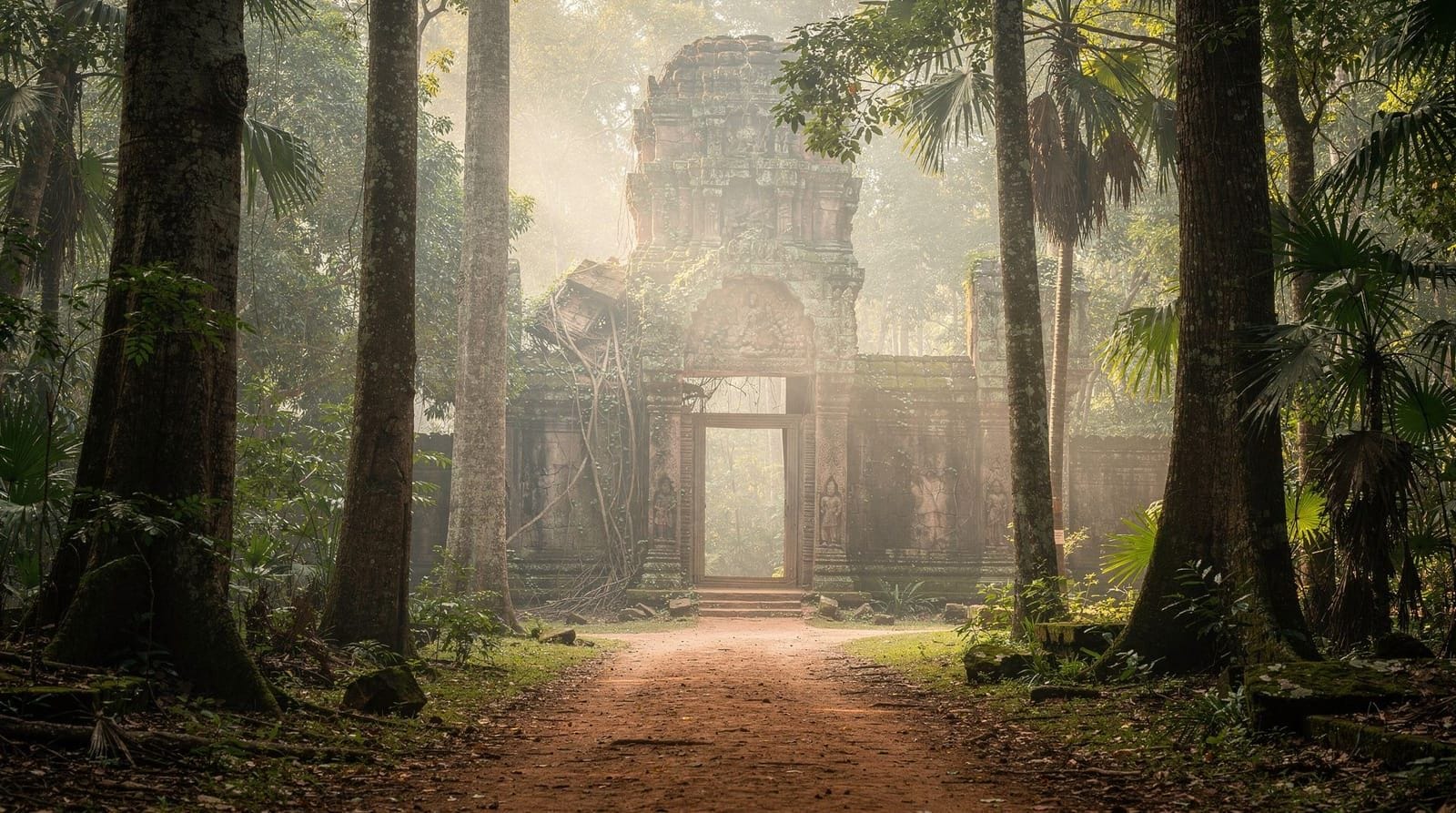
Fewer people, meaningfully. The temples that feel overrun in January can feel genuinely peaceful in July or August, particularly outside the peak sunrise hours. The landscape itself also changes for the better in some ways — moats and reflecting pools are fuller, and the greenery around temples like Ta Prohm and Beng Mealea is more vivid, which many photographers actually prefer to the drier, dustier dry-season look. Hotel prices also drop, sometimes substantially, in the low season.
Kompong Phluk floating village specifically benefits from rainy season timing — its best water levels for the classic flooded-forest boat experience run mid-August through January, meaning the tail end of rainy season and the start of dry season overlap with its peak visiting window.
Rainy season: what you lose
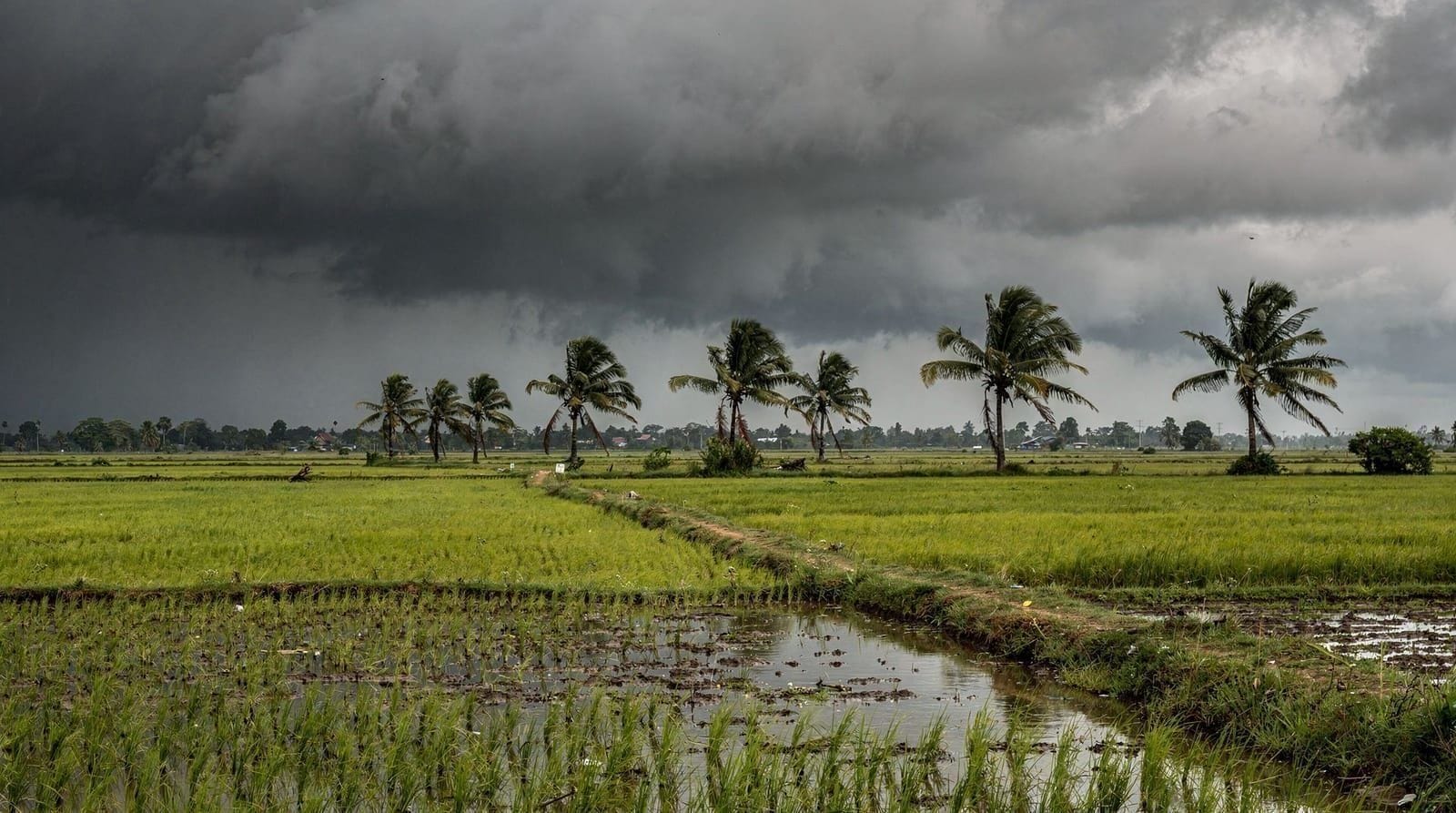
Predictability, mostly. Rain in Cambodia’s rainy season tends to arrive as afternoon downpours rather than all-day drizzle, which means mornings are often still workable for temple visits — but it’s not guaranteed, and September in particular (the wettest month, around 286mm and 18 rain days) can genuinely disrupt a day’s plans. Some rural, dirt-road-access temples — particularly Koh Ker and parts of the Phnom Kulen route — can become harder to reach or briefly less pleasant to visit if recent rain has left roads muddy. The dramatic sunrise-sky photo also becomes less reliable, since cloud cover is common.
The month-by-month reality, condensed
| Period | Weather | Crowds | Best for |
|---|---|---|---|
| Dec-Jan | Driest, coolest, most reliable | Peak, highest prices | Guaranteed clear skies, sunrise photos |
| Feb-Mar | Still dry, warming | Shoulder, easing prices | Good weather with less crowd pressure |
| Apr | Hottest (35-39°C+), still dry | Lower mid-month due to heat | Heat-tolerant travelers wanting fewer crowds |
| May-Jun | Rains begin, hot and humid | Low season starts | Early rainy-season green landscapes |
| Jul-Aug | Established rainy season | Low season | Photographers wanting misty, green temples |
| Sep | Wettest month | Lowest season, cheapest | Budget travelers comfortable with rain risk |
| Oct-Nov | Rain tapering, cooling | Rebuilding toward peak | Transitional — decent weather, moderate crowds |
The full month-by-month breakdown, including specific festival dates and floating-village timing, is in the best time to visit guide and the weather by month reference.
What actually changes at the temples themselves, season to season
Angkor Wat’s reflecting pond gives its best mirror shot when the pond is full — which favors rainy season and its immediate aftermath (roughly June through December) over the driest months, when water levels in some pools can drop. Ta Prohm’s jungle-swallowed atmosphere is genuinely more vivid green in and after the rains than in the dust of late dry season (March-April). Conversely, the causeway crossings and open stone areas at Angkor Wat and Angkor Thom are far more pleasant underfoot in dry season, without the risk of a sudden downpour catching you mid-walk with no shelter.
The heat factor nobody weighs heavily enough
April-May, technically still “dry season,” brings the harshest heat of the year (35-39°C+), and this matters more to how your day actually feels than the rain-vs-no-rain framing usually captures. A hot, dry April afternoon at Angkor Wat can be more physically taxing than a humid but overcast July morning. If you’re heat-sensitive, don’t default to “dry season is always more comfortable” without checking which specific dry-season month you’re actually looking at.
My honest recommendation by traveler type
If a guaranteed clear-sky sunrise photo is your priority: December-January, and accept the crowds as the cost.
If you want a genuine balance of decent weather and manageable crowds: February-March, or October-November as the shoulder windows on either side of peak season.
If budget and low crowds matter more than weather certainty: June-September, understanding that some days will include afternoon rain and the sunrise photo isn’t guaranteed.
If you’re heat-sensitive above all else: avoid April-May regardless of the “still dry season” label — this is the hardest physical stretch of the year at Angkor.
Frequently asked questions about dry vs. rainy season at Angkor
Is rainy season a bad time to visit Angkor?
No — it’s a genuine trade-off, not simply worse. You gain fewer crowds, lower prices, and greener scenery, and lose some weather predictability and the reliability of dramatic sunrise skies.
What’s the single best month to visit if crowds are my main concern?
September, the wettest month, sees the lowest crowds and cheapest prices of the year, though it also carries the highest rain risk.
Does rain affect access to Beng Mealea, Koh Ker, or Phnom Kulen?
It can, particularly on the more rural, less-paved routes to Koh Ker and Phnom Kulen, where heavy rain can make roads muddier and slower going. Check current conditions with your operator if visiting during peak rainy months (roughly August-September).
When is the floating village experience at its best?
Kompong Phluk’s flooded-forest boat experience is best mid-August through January, overlapping the tail of rainy season and the start of dry season.
More tours on Viator
Top-rated experiences with verified reviews, bookable on Viator (a Tripadvisor company).