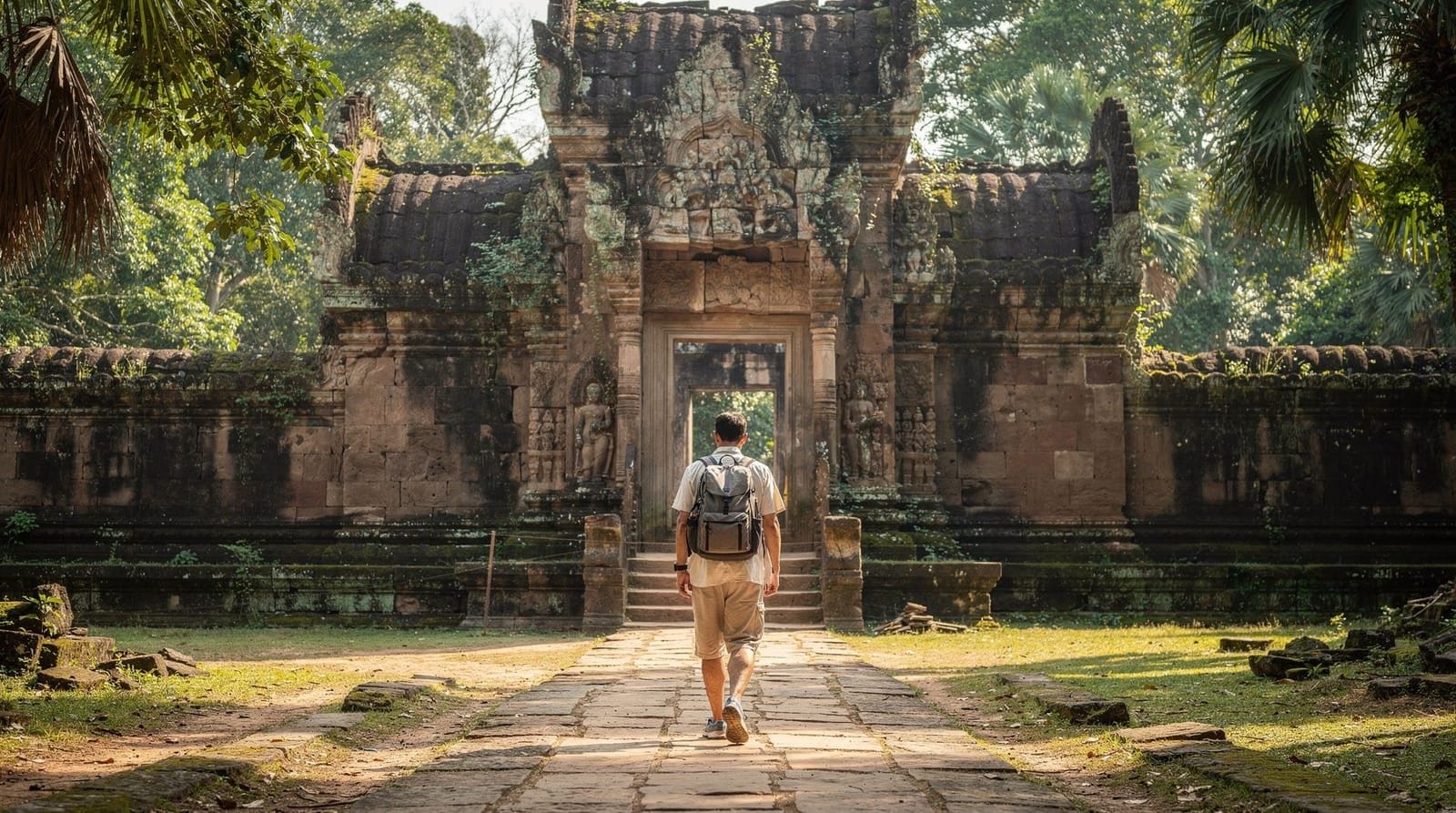
Wat Bo and Sala Kamreuk
Wat Bo and Sala Kamreuk: Siem Reap's quieter, leafier alternative to Old Market, better value, still a short ride from everything.
Siem Reap: Private City Tour by Tuk-Tuk
Quick facts
- Location
- Northeast (Wat Bo) and south (Sala Kamreuk) of central Old Market
- Distance from Old Market
- 1-3 km, 5-10 min by tuk-tuk or a 15-20 min walk
- Character
- Quieter, leafier, better hotel value than Old Market-adjacent stays
- Best for
- Couples, repeat visitors, expats, travelers wanting a 'real town' feel
- What's there
- Boutique hotels, cafés, terrace bars, Wat Bo temple, a more residential pace
Siem Reap without the Pub Street crowd
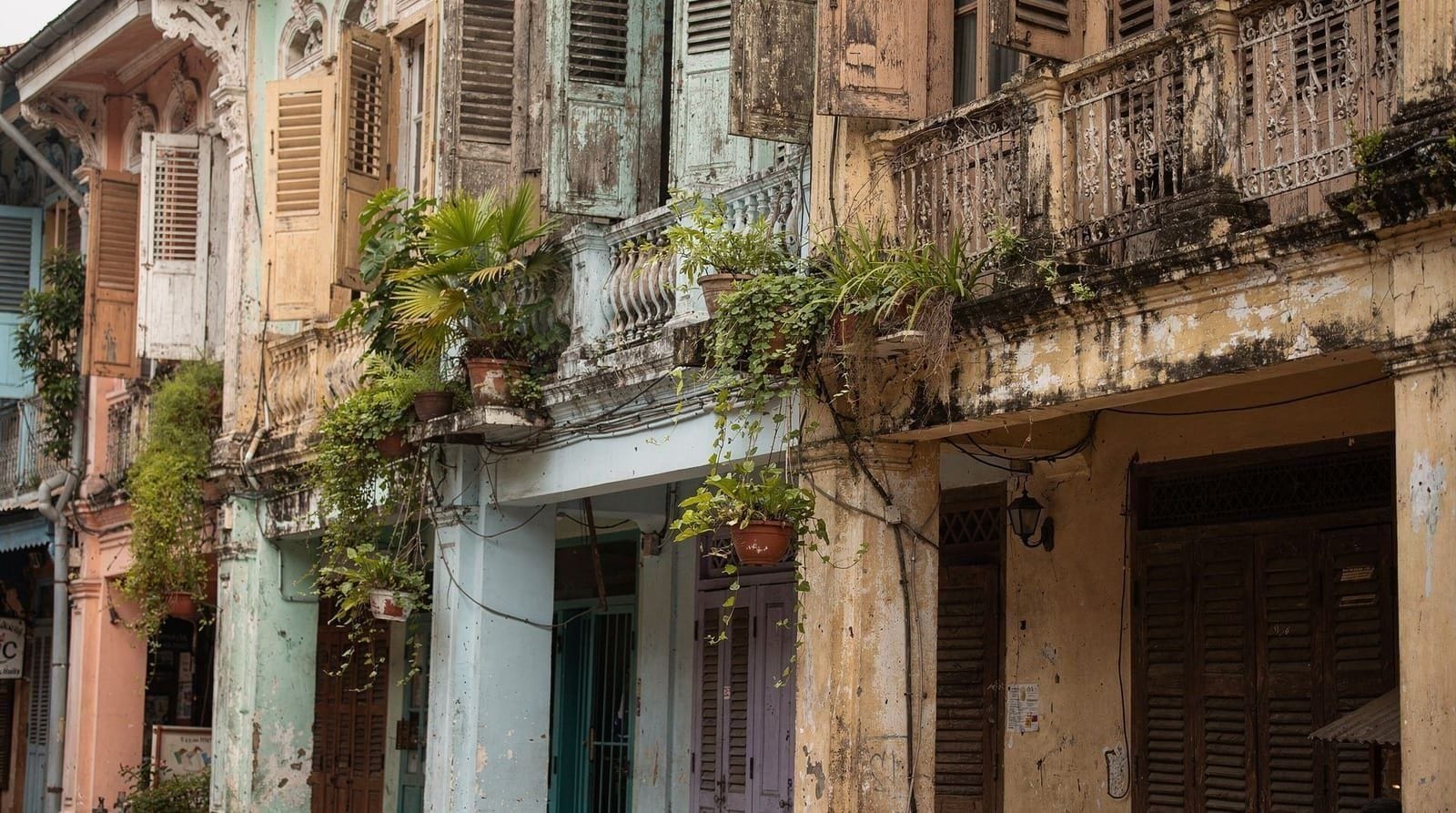
Wat Bo and Sala Kamreuk are two adjacent neighborhoods just outside Siem Reap’s tourist core — Wat Bo Road running northeast from the Old Market/Pub Street area along the Siem Reap River, Sala Kamreuk sitting further south and slightly more residential. Neither is a “sight” in the way Angkor Wat or the floating villages are; they’re worth knowing about primarily as a where-to-stay decision, or as a place to eat and drink away from the central tourist strip’s higher prices and heavier foot traffic.
Wat Bo — leafy, boutique, better value
Wat Bo takes its name from Wat Bo pagoda, one of Siem Reap’s oldest temples (parts dating to the early 19th century), with murals depicting the Reamker (the Khmer version of the Ramayana) inside its vihara — worth a quiet look if you’re in the area, and free to visit, unlike the Angkor Pass temples. The surrounding neighborhood has developed into one of Siem Reap’s most popular areas for boutique hotels, guesthouses and cafés, generally offering meaningfully better value for a comparable room standard than equivalent properties directly on or immediately around Pub Street — you’re paying less for a quieter street and a 5-10 minute tuk-tuk ride into the center rather than a doorstep location.
Repeat visitors to Siem Reap and longer-stay travelers disproportionately choose Wat Bo for exactly this trade-off: slightly more distance from the nightlife strip in exchange for quieter mornings, better café culture, and generally friendlier pricing.
How this area fits into a longer Siem Reap stay
For trips of a week or more, some visitors deliberately split their stay — a few nights centrally near Old Market/Pub Street for the convenience of a first arrival and easy access to restaurants and nightlife, then a move to Wat Bo or a similar quieter neighborhood for the remainder of the trip once the temple-touring intensity has settled into a routine and evening relaxation matters more than proximity to bars. This kind of split-stay approach isn’t necessary for shorter trips, but it’s a genuinely popular strategy among repeat visitors and longer-stay travelers who’ve learned through experience which parts of a Siem Reap trip benefit most from which kind of base.
Sala Kamreuk — a more local, residential feel
South of the center, Sala Kamreuk is less developed for tourism than Wat Bo but still an easy, quick tuk-tuk ride to Old Market and the temples — popular with expats and longer-term visitors who want proximity to the center without staying inside the most touristy blocks. It doesn’t have Wat Bo’s concentration of boutique cafés and restaurants, but it offers a genuine sense of everyday Siem Reap life, with local eateries and markets serving residents more than visitors.
The Reamker murals, and why they’re worth a specific stop
Wat Bo pagoda’s vihara (main hall) contains one of the most complete and best-preserved sets of Reamker murals in Cambodia — the Reamker being the Khmer national epic, adapted from the Indian Ramayana, telling the story of Prince Ream’s quest to rescue his wife Neang Seda from the demon king Krong Reap.
The murals wrap the interior walls in a continuous narrative sequence, painted in a distinctly Cambodian style using natural pigments, and while their exact date is debated, most estimates place at least the core structure in the early-to-mid 19th century, making them meaningfully older than most of what’s on public display in central Siem Reap. Because they’re inside a working pagoda rather than a museum, lighting and access can vary depending on ongoing religious activity — a quiet weekday morning tends to offer the best combination of good light and minimal disruption to worshippers.
What kind of traveler actually ends up staying here
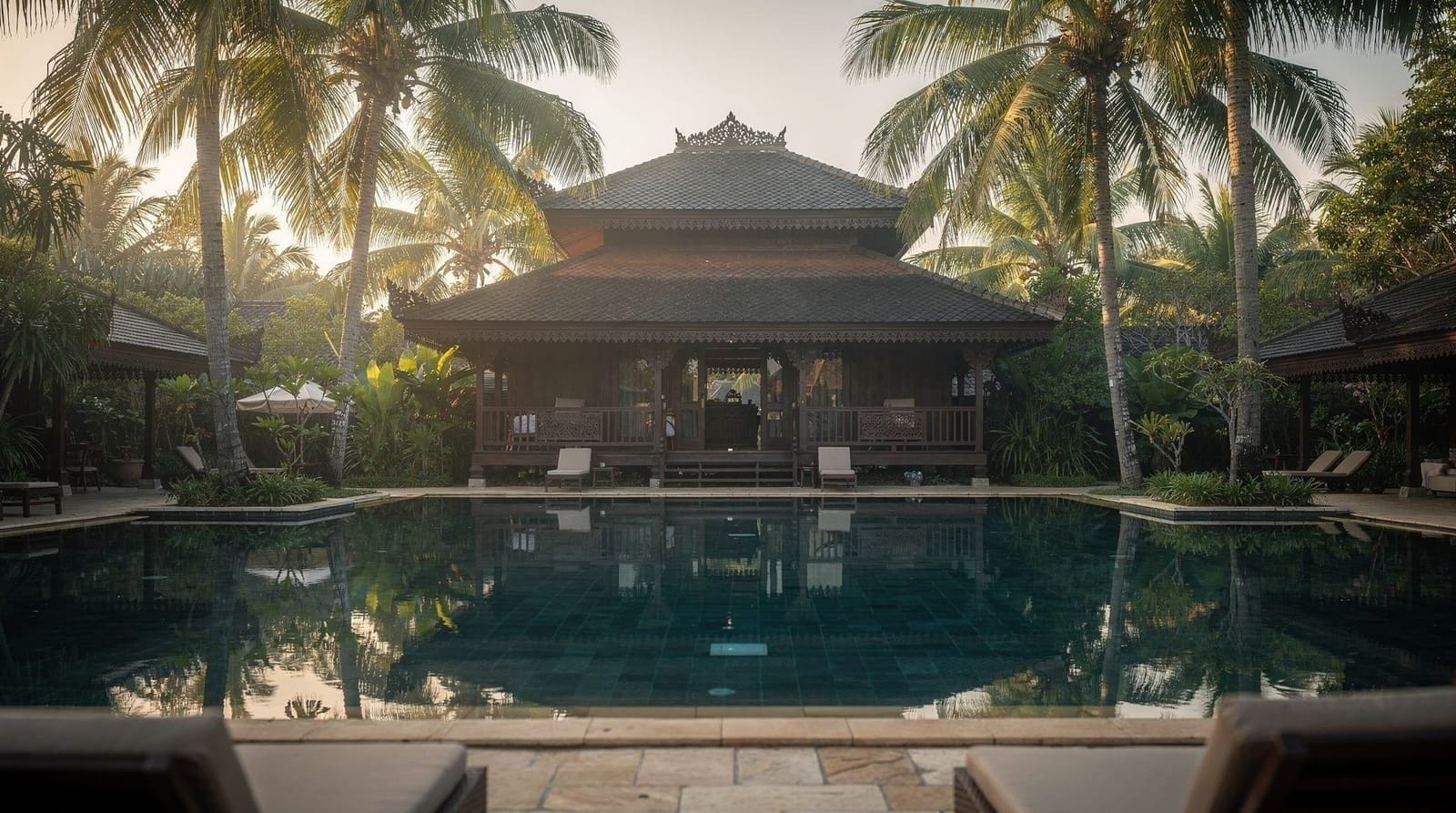
Wat Bo and Sala Kamreuk skew toward a specific, recognizable type of visitor: people on a second or third Siem Reap trip who’ve already “done” the central Old Market experience and want something calmer; couples prioritizing a boutique hotel with a pool and a quiet street over walkability to nightlife; digital nomads and longer-stay remote workers drawn by the area’s better café culture and lower noise; and budget-conscious travelers who’ve done the math and realized a 5-10 minute tuk-tuk ride saves meaningfully on accommodation costs for a comparable room standard.
First-time visitors on a very short trip (2 nights or fewer) more often default to staying centrally simply for convenience, which is a reasonable trade-off given how little time there is to enjoy a quieter neighborhood’s benefits on such a short stay.
The café and restaurant scene specifically
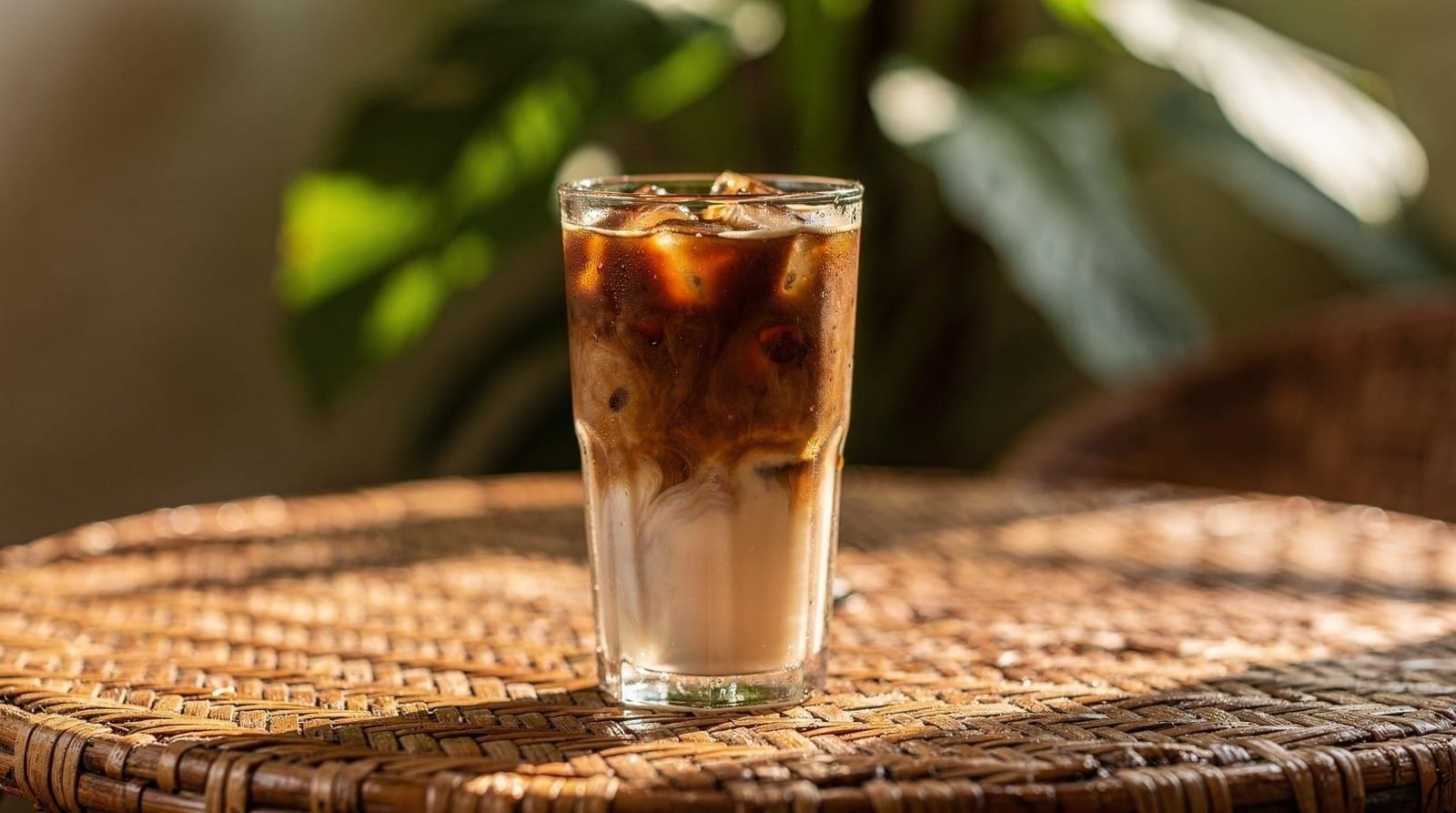
Wat Bo Road in particular has developed a genuinely strong specialty coffee and brunch scene over the past several years, reflecting both a longer-stay expat population and a growing base of returning tourists who prioritize good coffee over proximity to nightlife.
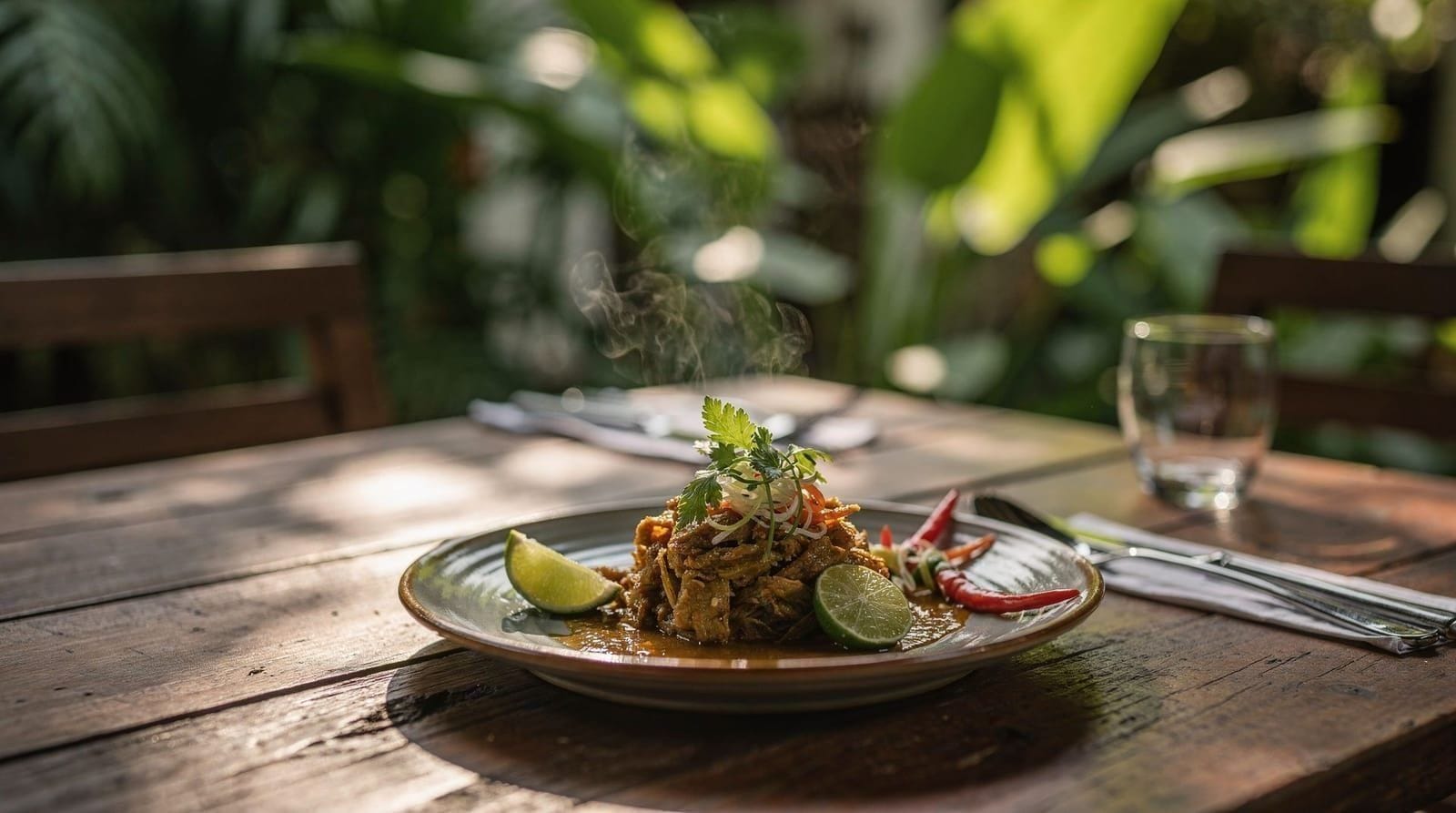
This is a meaningfully different food and drink culture from Pub Street’s tourist-strip international menu — more focus on quality ingredients, more Western-style brunch and specialty coffee options, and generally better value for a comparable quality level than what’s available directly on the main tourist strip. Several well-regarded Khmer restaurants have also opened along and near Wat Bo Road specifically because rents are lower than the central tourist zone, passing some of that saving on to more reasonable menu prices without necessarily sacrificing quality.
What’s overrated, what’s underrated
Neither neighborhood is overrated — if anything, both are underused by first-time visitors who default to booking directly on or near Pub Street without realizing a 5-10 minute tuk-tuk ride opens up better value and a quieter stay. For visitors who’ve been to Siem Reap before and want a different feel on a return trip, Wat Bo in particular is consistently recommended by people who’ve tried both.
How to combine it with the rest of your day
Wat Bo and Sala Kamreuk work best as a base for your stay rather than a discrete stop on a sightseeing itinerary — see our where to stay guide for a full neighborhood comparison including these two versus central Old Market options. If you’re staying in this area and want temple transport sorted from your hotel rather than negotiating in the street, our private city tour by tuk-tuk with an English-speaking driver can be arranged with pickup from a Wat Bo or Sala Kamreuk address.
For a more active way to reach the temples from this quieter base, the full-day guided bike tour of the Angkor temples and the sunrise e-bike small-group tour both offer an alternative to the standard tuk-tuk circuit, genuinely more pleasant starting from the quieter Wat Bo side of town than fighting through central traffic. The Angkor Wat sunrise and temples e-bike tour is a comparable option worth checking for pickup location fit.
A realistic cost comparison
To make the trade-off concrete: a boutique guesthouse room on Wat Bo Road that might run $30-45/night for a comparable standard could cost $50-70/night or more for an equivalent property directly adjacent to Pub Street, purely as a function of location premium rather than any real difference in room quality.
Over a multi-night stay, that difference adds up to a meaningful sum — often enough to cover the additional tuk-tuk fares required to reach the center several times over, meaning the “quieter and cheaper” trade-off genuinely nets out in the quieter neighborhood’s favor for most trip lengths beyond a couple of nights. This isn’t a universal rule (boutique, high-end properties exist in both areas at comparable price points), but it holds reasonably well across the mid-range accommodation segment most visitors book into.
Getting to the temples from this side of town
Because Wat Bo and Sala Kamreuk sit slightly northeast and south of the main route most tuk-tuks take toward Angkor Wat’s West Gate, the drive time to the temples from here is marginally longer than from a hotel directly on Pub Street — typically an extra 5-10 minutes, not a significant difference in practice, but worth factoring in if you’re planning an early sunrise departure and want to minimize wake-up time. Most hotels in both neighborhoods can arrange tuk-tuk or car pickup directly from the property, so this isn’t a logistics problem so much as a minor timing adjustment for anyone setting a pre-dawn alarm.
Three-way comparison for deciding where to stay
| Old Market / Pub Street | Wat Bo | Sala Kamreuk | |
|---|---|---|---|
| Distance to temples | Baseline (shortest) | +5-10 min | +5-10 min |
| Noise level at night | High — bars open past midnight | Low-moderate | Low |
| Café/restaurant density | Highest, most tourist-oriented | High, more local-quality/brunch focus | Lower, mostly local eateries |
| Typical room value | Premium for location | Better value, comparable standard | Best value, fewer boutique options |
| Best suited to | First-timers, short stays, nightlife priority | Couples, repeat visitors, remote workers | Longer stays, budget-conscious, local feel |
The riverside walkway along Wat Bo Road
Part of what makes Wat Bo pleasant on foot is the Siem Reap River running alongside sections of Wat Bo Road — a paved walkway follows portions of the riverbank, giving an option for an evening stroll that doesn’t exist in the denser, more traffic-heavy Old Market core. It’s not a scenic river in the postcard sense (the water is typically low and muddy outside peak rainy season), but the walkway itself, shaded by trees and lined with several of the area’s better cafés and restaurants, is one of the more pleasant short walks available in central Siem Reap without needing a tuk-tuk.
Practical notes
Wat Bo Road has a strong concentration of good cafés — see our coffee and cafés guide — and several well-regarded restaurants a step up in quality from the average Pub Street option; see our best restaurants guide. Both neighborhoods are walkable in sections but spread out enough that a tuk-tuk or bicycle is more practical for most errands than walking everywhere, unlike the compact central Old Market area.
Frequently asked questions about Wat Bo and Sala Kamreuk
Should I stay in Wat Bo instead of near Pub Street?
If you value a quieter environment and better value for a comparable room standard, yes — Wat Bo is a short, inexpensive tuk-tuk ride from the center and consistently recommended by repeat visitors for this trade-off.
Is Wat Bo pagoda worth visiting?
Yes, and it’s free — the murals depicting the Reamker inside the vihara are a worthwhile stop if you’re already in the area, though it’s a modest sight compared to the Angkor temples.
How far is Wat Bo from Old Market?
About 1-2 km, roughly 5-10 minutes by tuk-tuk or a 15-20 minute walk.
Is Sala Kamreuk touristy?
Less so than Wat Bo or the central Old Market area — it’s more residential and popular with expats and longer-stay visitors rather than short-trip tourists.
Do I need a tuk-tuk to get around Wat Bo and Sala Kamreuk?
For most errands and restaurant-hopping, yes — the areas are more spread out than the compact central Old Market zone, though some Wat Bo Road stretches are walkable.
Is it worth staying outside the center for a short trip?
For trips of 3+ days, many visitors find the quieter base worthwhile even with the extra few minutes of travel each way. For a very short 1-2 night stay, staying centrally may be more convenient.
What are the Reamker murals at Wat Bo, and how old are they?
They’re a set of wall paintings inside the pagoda’s main hall depicting the Reamker, Cambodia’s national epic adapted from the Indian Ramayana. Most estimates date the core murals to the early-to-mid 19th century, making them older than most publicly visible art in central Siem Reap.
Is Wat Bo good for remote work or a longer stay?
Yes — it’s developed a genuine specialty coffee and café culture partly driven by a longer-stay expat and digital nomad population, generally with better wifi-friendly workspaces than the noisier, more transient Pub Street area.
How does the cost of staying in Wat Bo compare to Pub Street?
For a comparable room standard, Wat Bo hotels and guesthouses are generally meaningfully cheaper than equivalent properties directly on or immediately around Pub Street, reflecting the small trade-off in walking distance to the nightlife strip.
Are there temples or sights in Sala Kamreuk worth visiting?
It’s less developed for sightseeing than Wat Bo — its appeal is more about everyday local atmosphere, local markets and eateries, than any single must-see attraction.
Can I combine a visit to Wat Bo pagoda with other central Siem Reap sightseeing in one trip?
Yes — given its proximity to the Old Market/Pub Street area (about 1-2 km), Wat Bo pagoda and the surrounding café strip make for an easy add-on to a central-town day without significant extra travel time.
Is there a nice place to walk in Wat Bo?
Yes — a paved riverside walkway follows sections of Wat Bo Road along the Siem Reap River, shaded by trees and lined with cafés, offering a pleasant evening stroll that the denser central Old Market area doesn’t really have.
Top experiences
Bookable activities with verified prices and instant confirmation on GetYourGuide.


More tours on Viator
Top-rated experiences with verified reviews, bookable on Viator (a Tripadvisor company).