Which floating village should you really visit? My honest take after all three
I’ve now done all three of Siem Reap’s floating villages across two trips, mostly because I kept hearing conflicting advice and wanted to settle it for myself. This isn’t the neutral, everything-has-its-place comparison you’ll find in most guides — our own floating village comparison guide does that job properly if you want the full breakdown. This is my personal ranking, with the reasoning, because I think it’s actually more useful than pretending all three are equally good options.
Chong Kneas: I get why it’s popular, and I still wouldn’t go back
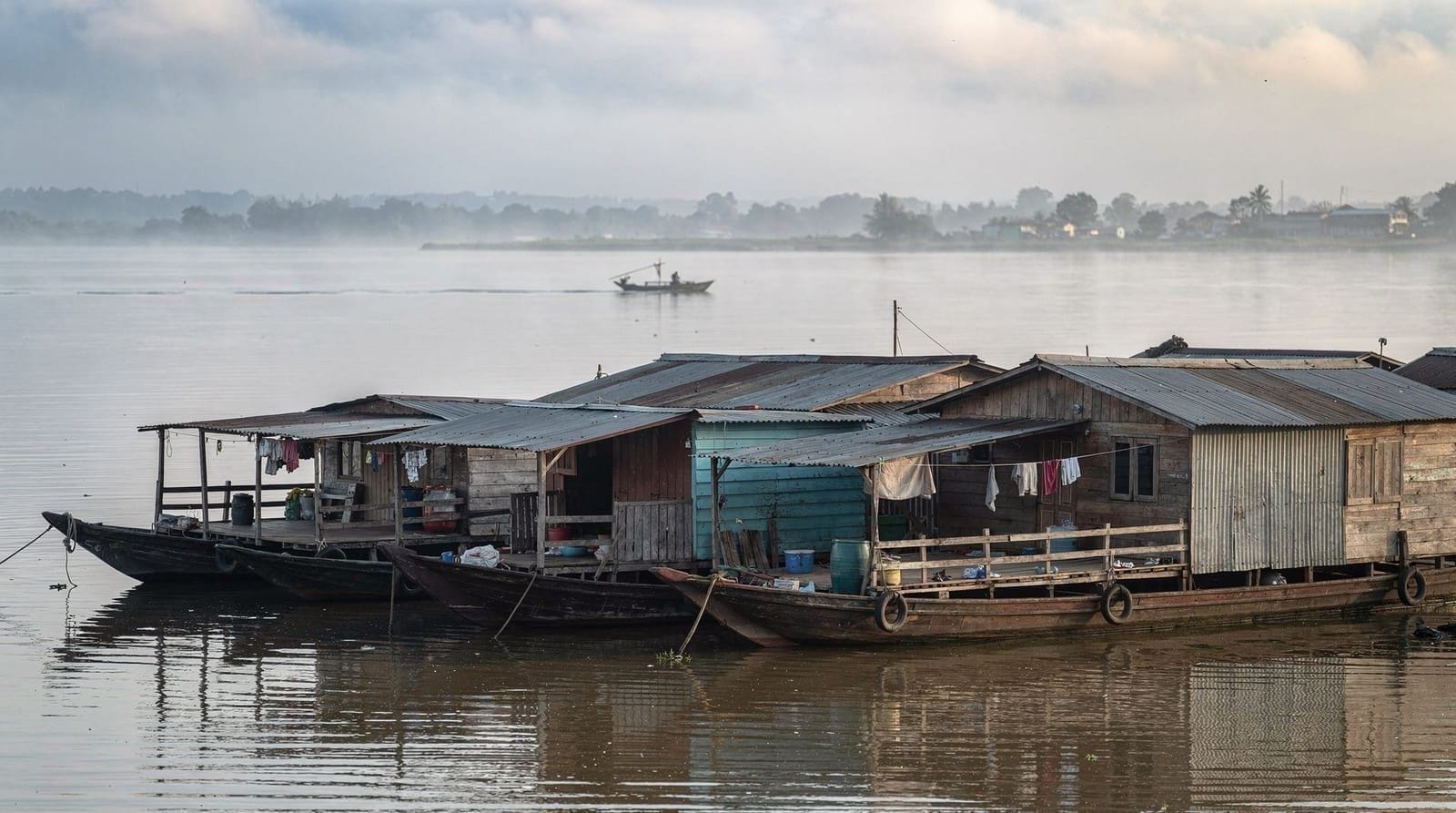
Chong Kneas is the closest village to town — about 16 km, 20 minutes — which is exactly why it’s the default option for rushed half-day tours and why it’s also, in my experience, the least satisfying of the three. My boat tour there involved a persistent push toward an “orphanage” stop that felt staged from the moment we arrived, and the whole visit had a distinct sense of being processed through a well-worn tourist circuit rather than seeing an actual community.
This isn’t a universal experience — I’ve read reports from people who had a fine, uneventful visit — but the pattern of complaints about overpriced boat add-ons and pressure-sold charity stops is consistent enough across enough independent sources that I’d steer a first-time visitor elsewhere if their schedule allows the extra travel time.
Kompong Phluk: the one I’d recommend to most people
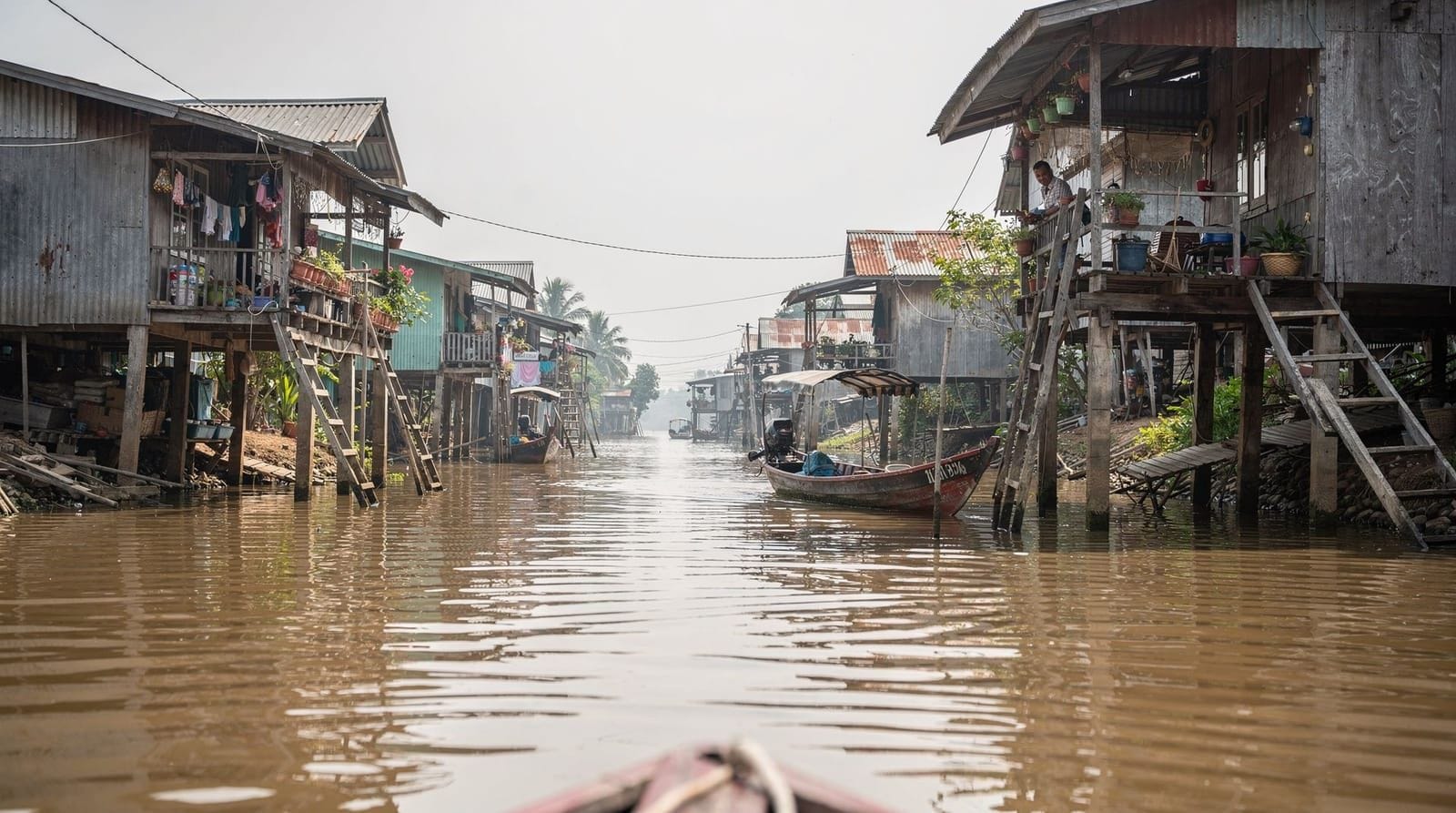
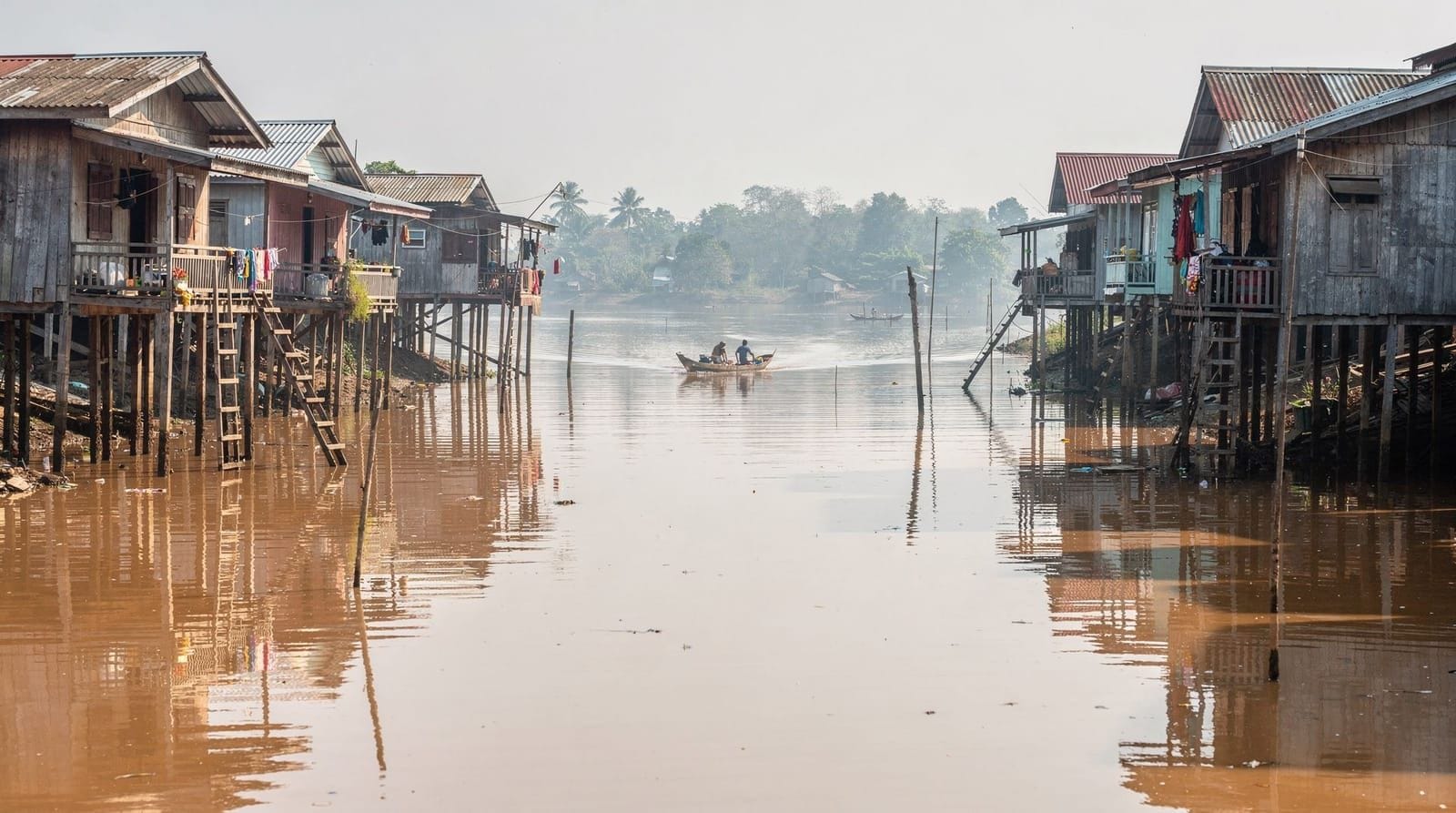
Kompong Phluk, about 30 km and 45 minutes to an hour from town, was the visit that actually delivered what I’d pictured when I first read about Tonlé Sap’s floating villages — stilted houses built genuinely high off the ground for the seasonal flood, a boat ride through a flooded mangrove forest that felt more like an actual journey than a quick pier-to-pier hop, and noticeably less of the scripted-tour feeling I’d gotten at Chong Kneas. I went in October, within the mid-August-to-January high-water window that gives the best version of this visit — the flooded forest section was genuinely striking, water high enough that you’re gliding between submerged tree trunks rather than watching a dry riverbed from a distance.
Compare the Kompong Phluk half-day tourIf you only have time for one floating village and want the best balance of accessibility, authenticity, and manageable travel time, this is the one I’d point you to.
Kompong Khleang: the most real, if you have the extra hour
Kompong Khleang, the furthest at roughly 50 km and 1-1.5 hours, was where I felt least like a tourist and most like an observer of an actual working town — around 6,000 residents, an active local market, houses on stilts that step down gradually toward the lake rather than the uniform “floating village” image most people have in mind.
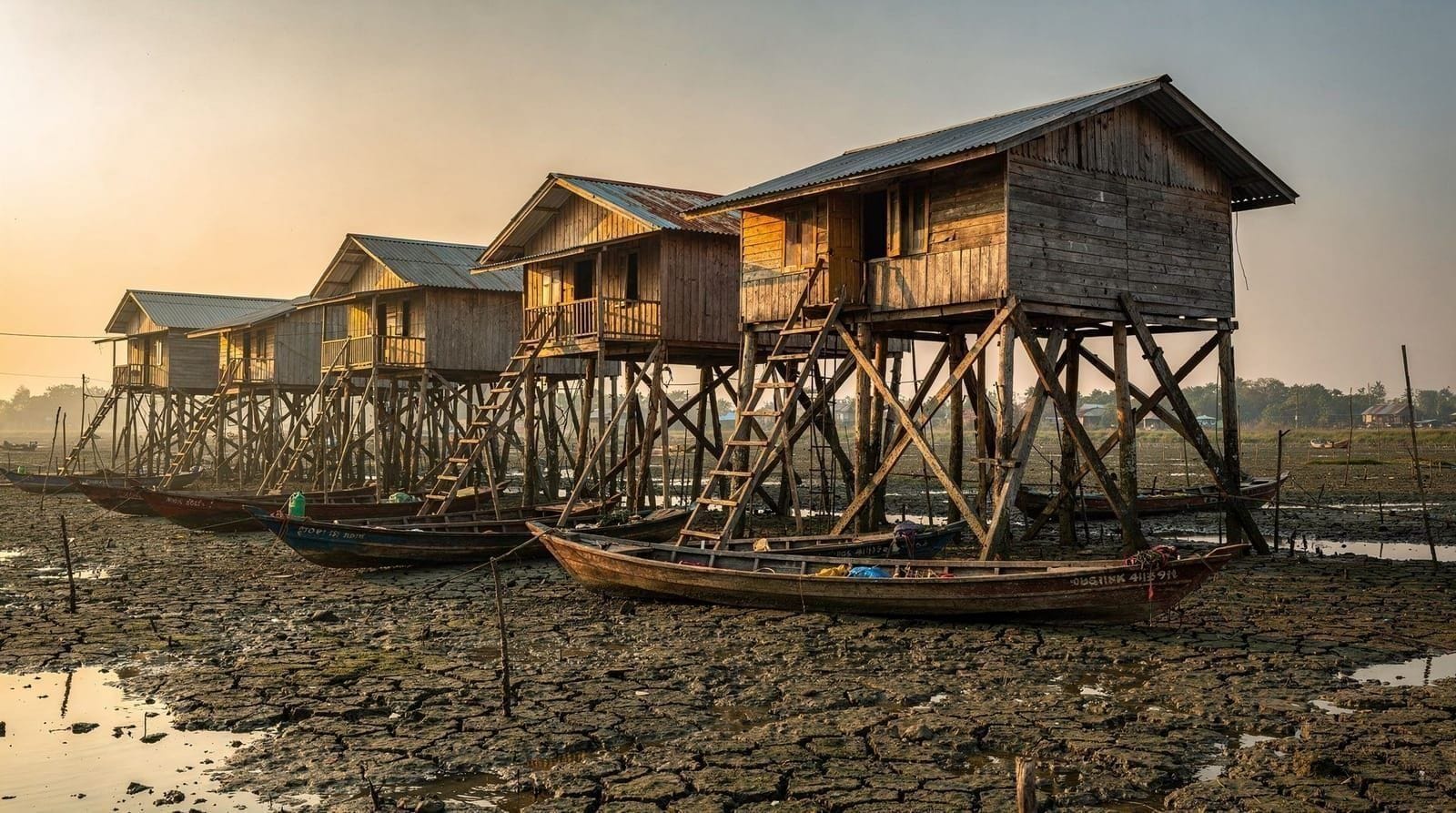
It’s visitable mid-August through April, and I went in March, near the end of that window, when receding water levels revealed more of the village’s stilt structure than a peak-water visit would show. The trade-off is real: it’s a longer drive, a longer overall commitment, and a less immediately dramatic “boat ride into a flooded forest” moment than Kompong Phluk offers. But if authenticity and a genuine sense of daily life matter more to you than convenience, this is the strongest of the three.
Compare the Kompong Khleang full-day tourMy honest ranking, if you can only pick one
- Kompong Phluk — best overall balance for most first-time visitors
- Kompong Khleang — best if you have the extra time and want the most authentic feel
- Chong Kneas — only if you’re genuinely short on time, and go in with your guard up about add-on costs
What nobody told me before my first visit
The boat pricing structure matters more than which village you pick. Boats are typically priced per boat, not per person, which means a solo traveler can end up paying a similar total to a group of four unless the boat is shared or the tour bundles the cost into a fixed per-person rate upfront. Confirm this before boarding, at any village — it’s the single most common source of “the floating village cost more than I expected” complaints I’ve seen, regardless of which village people visited.
The season question, answered honestly
I get asked constantly whether there’s a “wrong” time to visit. There sort of is: visiting Kompong Phluk well outside its mid-August-to-January high-water window means a shorter, less scenic boat approach with lower water levels, and the flooded-forest effect that makes it distinctive is diminished. Kompong Khleang has a longer window (mid-August to April) and, in my opinion, holds up better across more of the year since its appeal isn’t as dependent on a dramatic flooded-forest boat ride. If your trip dates are fixed and fall outside Kompong Phluk’s best window, Kompong Khleang is the safer choice.
Would I do a floating village visit again?
Yes, without hesitation, but I’d plan it as its own half-day rather than trying to bolt it onto an already full temple day, which is what I did on my first trip and regretted slightly — the drive time alone (45 minutes to over an hour each way, depending on the village) deserves its own dedicated slot rather than being squeezed in after a morning at the temples.
Frequently asked questions about choosing a floating village
Which floating village would you actually recommend to a first-time visitor?
Kompong Phluk, for the best balance of accessibility, scenery, and a genuinely less commercialized feel than Chong Kneas.
Is Chong Kneas worth visiting at all?
If time is genuinely your biggest constraint, it’s better than skipping a floating village entirely — just go in aware of the common overcharging and staged-stop complaints, and confirm all costs before boarding.
What’s the best time of year to visit Kompong Phluk?
Mid-August to the end of January, when water levels are high enough for the full flooded-forest boat experience.
Is Kompong Khleang worth the extra travel time?
If authenticity matters more to you than convenience, yes — it felt like the most genuine, least tourist-oriented of the three villages I visited.
More tours on Viator
Top-rated experiences with verified reviews, bookable on Viator (a Tripadvisor company).