It's pouring in Siem Reap: what to actually do instead of sulking at the hotel
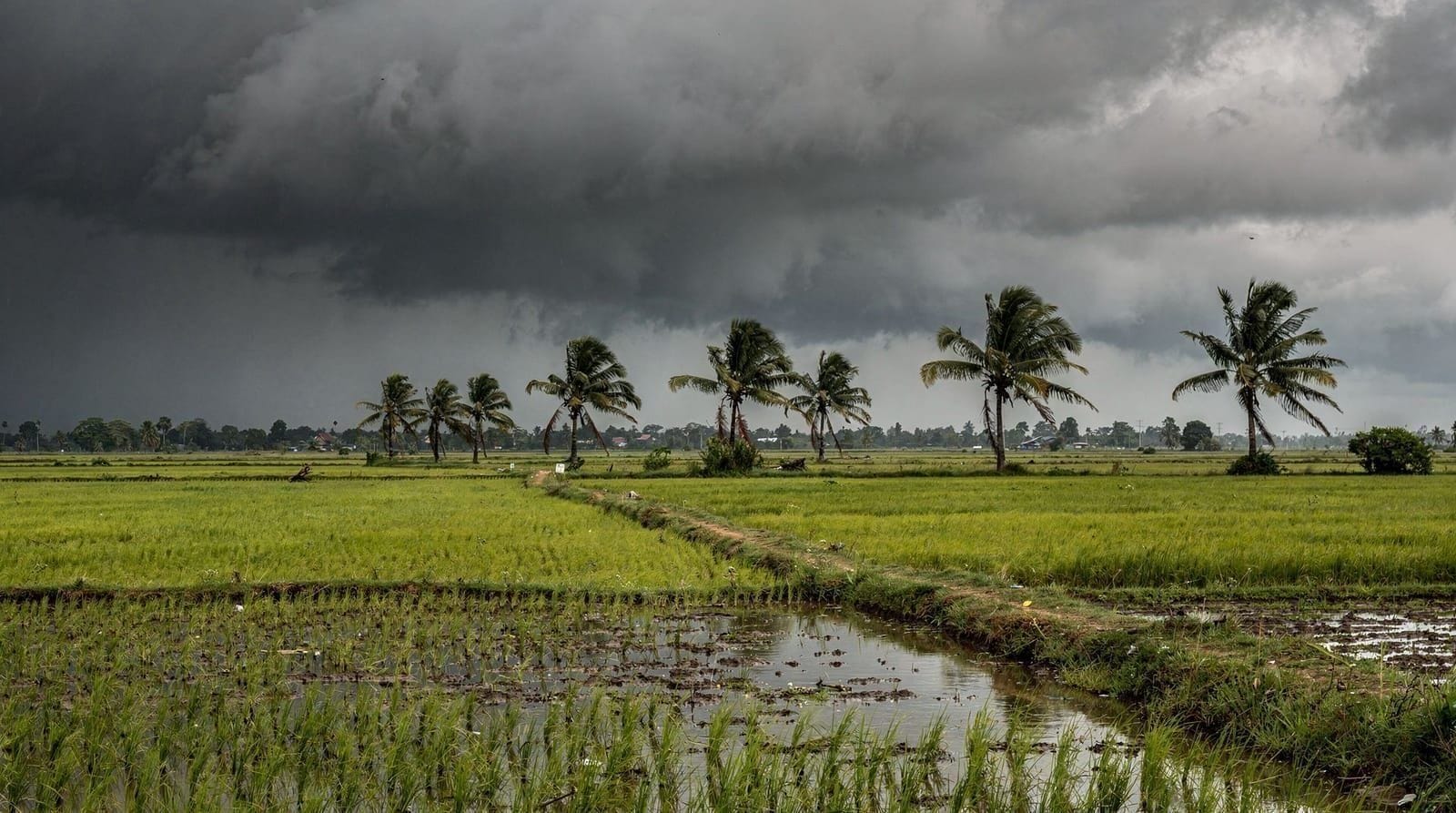
I got caught in a proper rainy-season downpour on my second afternoon at Ta Prohm — the kind that turns the causeways into rivers in about four minutes flat — and spent the next hour genuinely convinced my day was ruined. It wasn’t. Cambodia’s rainy season (roughly May-October) mostly delivers short, intense afternoon storms rather than all-day washouts, and Siem Reap has more to do around them than the “just wait it out” advice usually suggests.
The pattern actually matters
Rainy season storms here are typically brief and predictable in timing — heavy downpours concentrated in the afternoon, with mornings often still clear enough for temple visits. September is the exception, the wettest month of the year at roughly 286mm and 18 rain days, where the pattern breaks down more often. If you’re visiting May through August, structure your day around temples in the morning and a backup plan for the afternoon rather than writing off the whole day when clouds build up after lunch.
Angkor National Museum
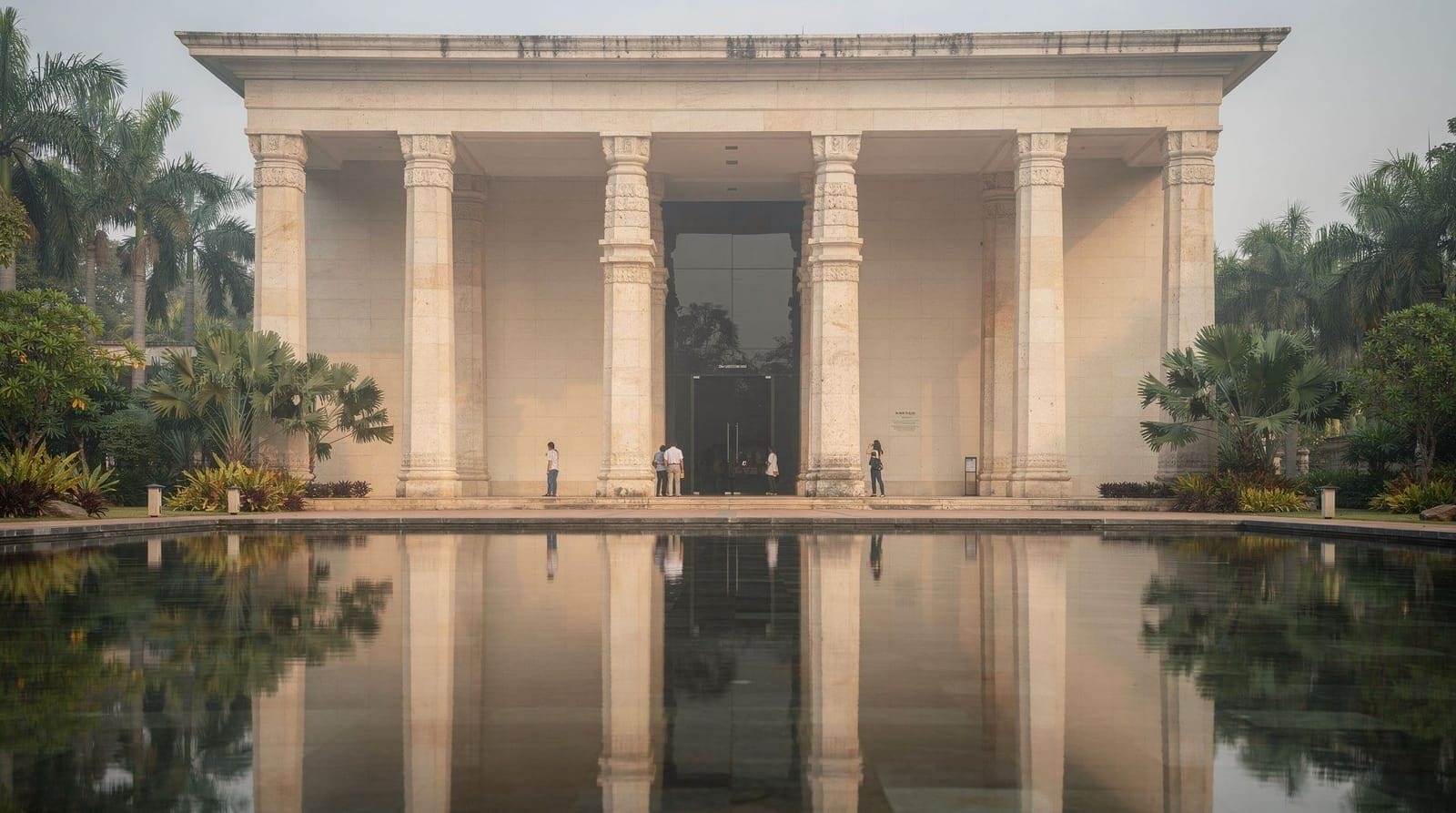
This is the obvious first move when the sky opens up, and it earns the recommendation: air-conditioned, genuinely well curated, and useful even beyond killing time — the galleries on Angkor’s history and the 1,000-Buddha gallery give context that makes the temples themselves make more sense on a subsequent dry visit. Budget 1.5-2 hours. It sits in town, a short tuk-tuk ride from most hotels, not out at the park itself, so it works as a standalone rainy-day stop rather than something you’d tack onto a temple day. See the Angkor National Museum guide for ticket details.
A cooking class
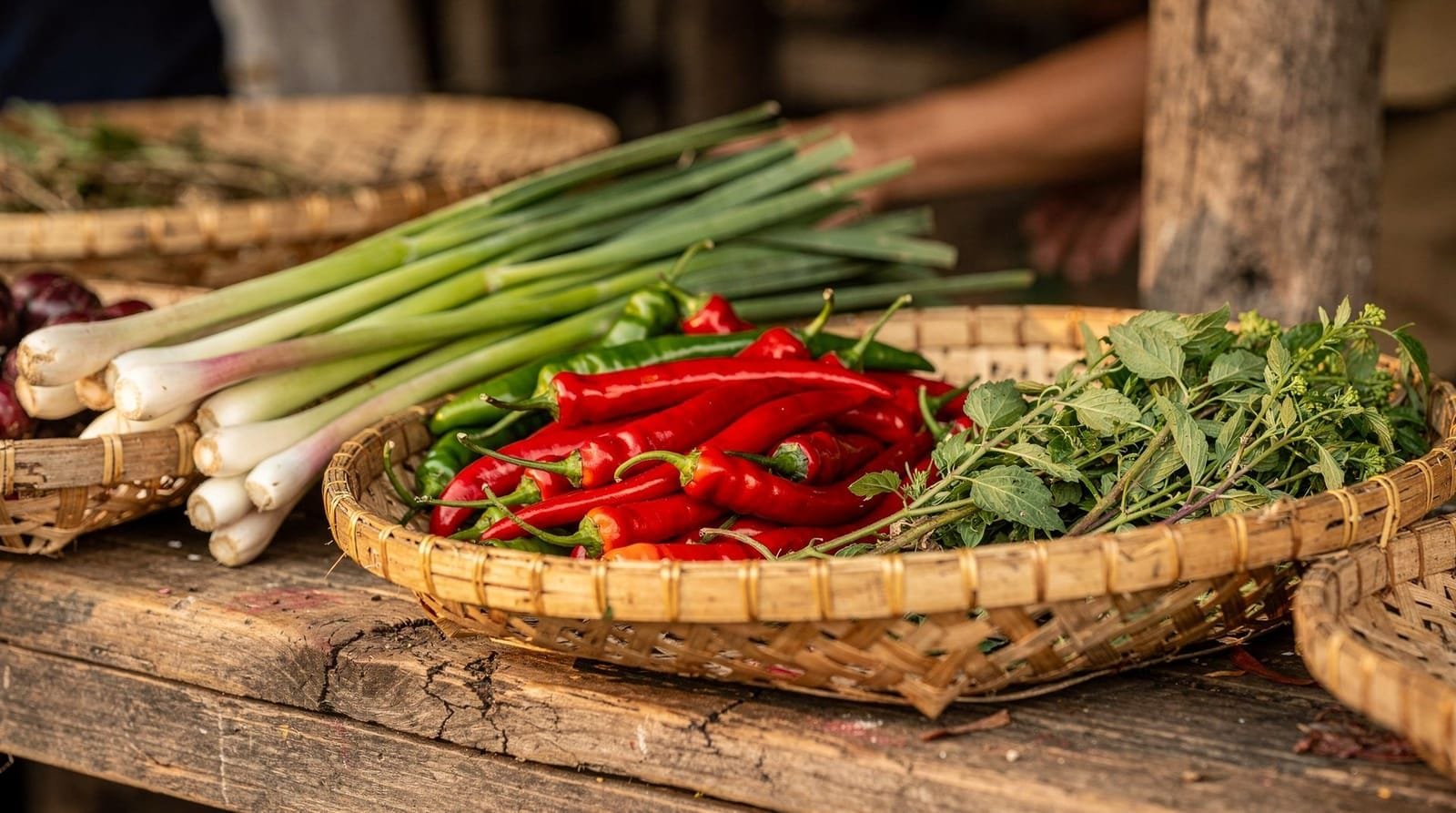
Most Khmer cooking classes run in covered, often partly open-air kitchen pavilions, and a heavy rain outside genuinely adds to the atmosphere rather than disrupting the class. Learning to make amok or a proper lok lak, then eating what you made, is a solid few hours regardless of weather, and it’s one of the few activities in Siem Reap that’s arguably better on a grey, cool, rainy afternoon than under direct sun. The cooking classes guide compares the market-visit-included options against the simpler ones.
Book a hands-on Khmer cooking classSpas and massage
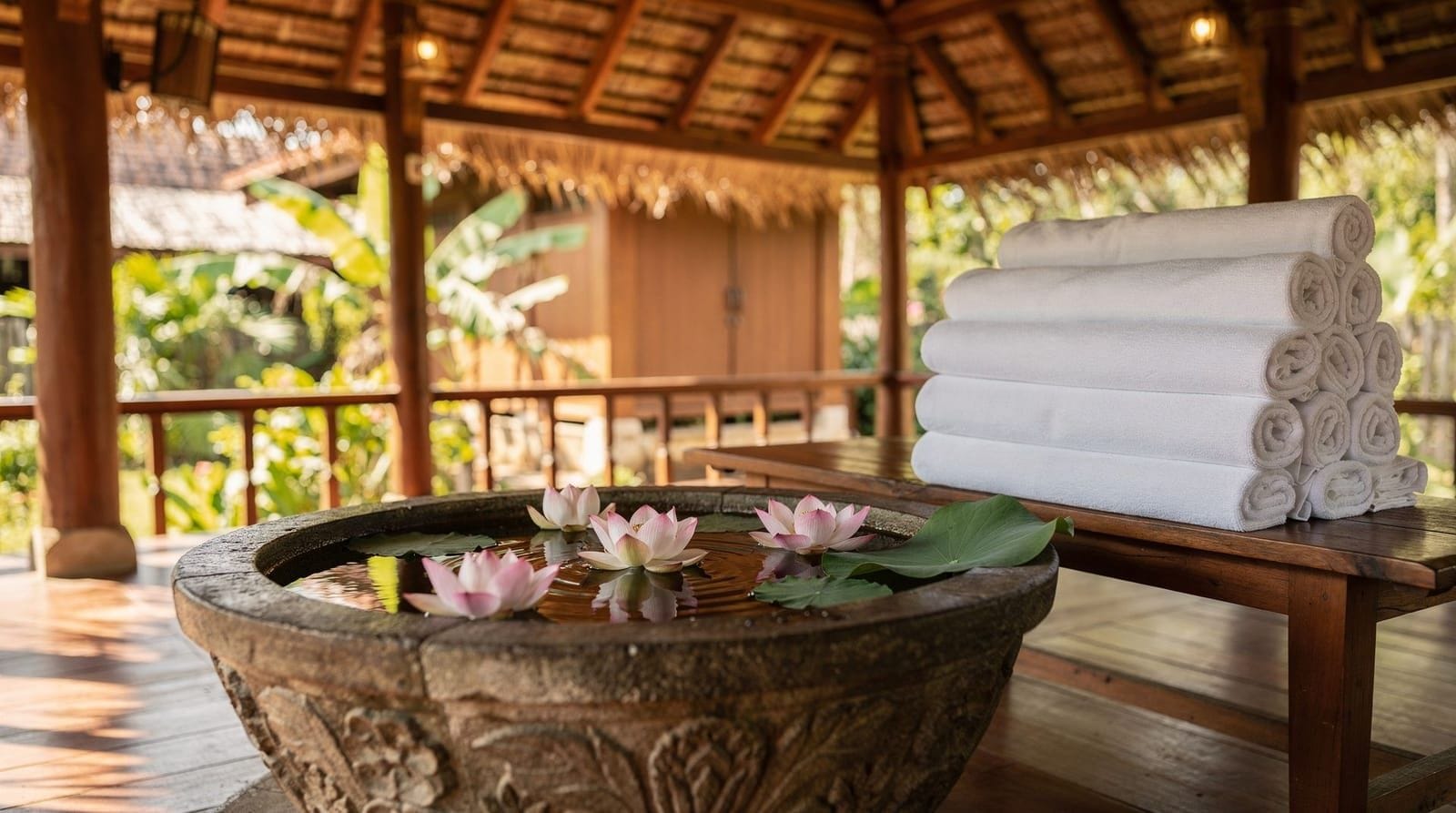
Rainy afternoons are exactly when Siem Reap’s spa scene makes the most sense — a two-hour traditional Khmer massage is a genuinely good way to spend a downpour, and prices here run well below what the same treatment costs in most Western cities. The spas and massage guide has options across price tiers, from simple $8-10 foot massages to full spa packages.
See traditional Khmer massage optionsPhare, The Cambodian Circus
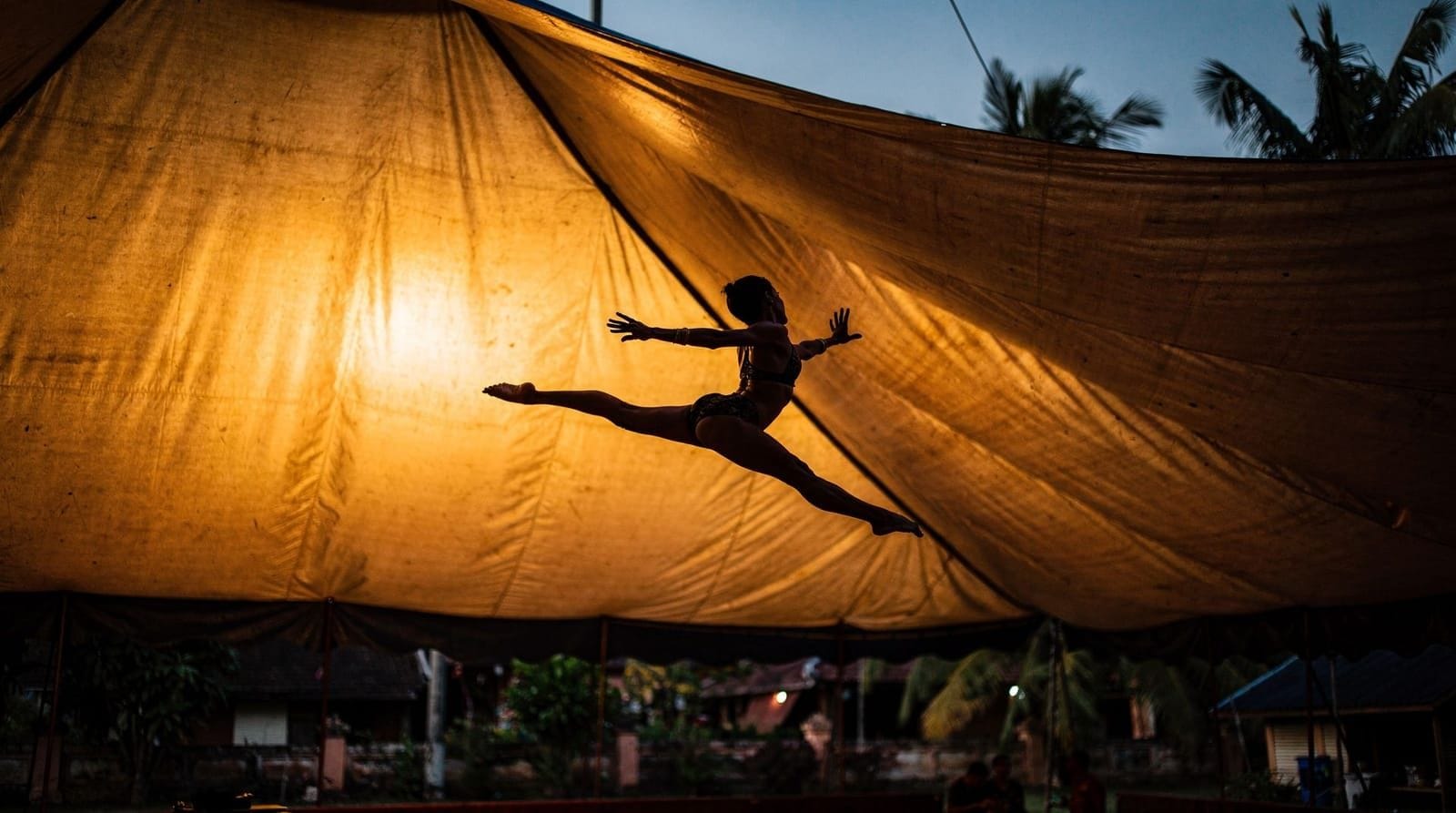
An evening show is close to weatherproof by design — indoor big-top tent, seated, air-conditioned enough to be comfortable, and it doesn’t care what the sky is doing outside. If rain has eaten into your daytime plans, an evening at Phare turns the day around entirely rather than just filling the gap. The Phare guide has showtimes and what to expect from the performance itself, which is genuinely well regarded beyond just “tourist activity” status.
Book Phare Cambodian Circus ticketsCovered markets
Psar Chaa (the Old Market) and the night markets around it are substantially covered, and a rain shower is a reasonable excuse to actually slow down and browse rather than power-walk through. The covered central sections stay dry even in a heavy downpour, and it’s a legitimately good hour or two for souvenir shopping you might otherwise rush.
Temples in the rain — the underrated option
Here’s the one most guides skip: visiting the temples themselves during a lighter rain, or right after a downpour, isn’t automatically a bad idea. Crowds thin out noticeably, since a lot of tour groups reschedule or wait it out at their hotel. The sandstone at Angkor Wat and the laterite at Ta Prohm actually photograph with more contrast when wet — darker stone, more saturated moss and jungle green, and the rain-slicked surfaces catch light differently than the flat glare of a dry-season midday.
A heavy, sudden downpour is genuinely not worth pushing through (the causeways get slippery and there’s minimal shelter at most sites), but a lighter, steady rain is a legitimately good and underused window to see Ta Prohm or Angkor Thom with noticeably fewer people.
What I’d actually plan for a rainy-season trip
Don’t build a single-day itinerary that depends entirely on clear skies for its centerpiece — treat every rainy-season day as having a morning window and an afternoon backup, and keep one or two of the above in your back pocket rather than scrambling when the first drops hit. It turns out the “wasted rainy afternoon” is mostly a failure of planning, not something actually forced by the weather itself.
Frequently asked questions about rainy days in Siem Reap
Does rain in Siem Reap last all day?
Usually not, outside of September. Most rainy-season days bring short, heavy afternoon downpours with clear or partly clear mornings.
Is it worth visiting temples in the rain?
A light-to-moderate rain can be a genuinely good time to visit — thinner crowds, richer stone color, cooler temperatures. Skip it during a heavy downpour, when causeways get slippery and shelter is limited.
What’s the single best rainy-day backup activity?
A cooking class or the Angkor National Museum both work well regardless of how hard it’s raining, since both run in fully covered, air-conditioned settings.
Does rain affect the outlier temples like Koh Ker or Phnom Kulen?
Yes, more than the main park — their access roads are less paved, and heavy rain can make the routes slower or muddier. Check conditions with your driver or operator before a rainy-season day trip to either site.
More tours on Viator
Top-rated experiences with verified reviews, bookable on Viator (a Tripadvisor company).